Reading a CAD block's layer structure before you trust it
How to check a downloaded block's layers before it pollutes your drawing, using the LAYER manager and LIST command to see what you're actually importing.
Saumyajit MaityUpdated 27 April 20266 min read
The thing nobody checks until it bites them
What I actually do when I download a new block for the first time isn't insert it straight into a live project, it's open the LAYER manager and just look at what's in there, because that ten second glance tells you more about how a block was built than almost anything else you can check. A block with a tidy layer structure was almost certainly built by someone who drafts for a living. A block with forty layers named Layer1, Layer2, xref-bind-3-copy is a warning sign, and you want to know that before it's sitting inside your project file, not after.
The two acceptable patterns, and why they're both fine
There are really only two layer patterns you want to see in a well-built block. The first is everything drawn on layer 0, which is the standard AutoCAD default, and it's the recommended way to build a block specifically because an object on layer 0 inherits whatever layer is current when you insert it. So if your furniture layer is current and you insert a layer-0 block, it lands on your furniture layer automatically, color and linetype included. The second acceptable pattern is a small number of clearly named internal layers, things like a hatch layer, a glazing layer, a hardware layer, used because the block genuinely needs different colors or linetypes for different parts of itself, like glass versus frame on a door block.
Either pattern is workable. What you don't want is a block carrying over layers from whatever project it was originally drawn in, dimension styles, title block layers, construction lines left frozen but still present.
A good way to think about it is asking whether each layer earns its place. A door block with a glazing layer earns it because glass genuinely needs a different linetype or transparency setting than the frame, that's functional. A block that arrives with a layer called Defpoints left over from a dimension string, or a layer named after someone's project code from three jobs ago, isn't earning anything, it's just residue that got carried along for the ride, and residue is exactly what you're screening for during this check.
Naming conventions worth watching for
Layer names themselves are a useful early signal too, even before you count how many there are. A block using something like a recognizable naming convention, A-FURN, A-GLAZ, FURN-HATCH, generally means whoever built it was drafting inside an organized office standard and thought about what belonged in the block versus what didn't. A block full of AutoCAD's own default names, Layer1, Layer2, Layer3, usually means nobody bothered renaming anything after copying geometry in, which by itself isn't fatal but does correlate, in my experience, with a general lack of care that tends to show up in the geometry too. It's not a hard rule, right, plenty of perfectly clean blocks sit entirely on layer 0 with no named layers at all, which is arguably the best outcome of all. But when you do see named layers, sensible names are a decent proxy for a block built with some discipline behind it.
How to actually check it
Open the block file standalone, type LA to bring up the Layer Properties Manager, and just scan the list. You're looking for three things: how many layers exist, whether they're named sensibly or left as AutoCAD defaults, and whether any are frozen or off rather than deleted. A clean block for something like a wall lamp or an iron gate typically needs only one to three layers at most, because the geometry itself is simple. If you're seeing a dozen or more layers on a single furniture block, something got carried in from the original project drawing that shouldn't be there.
You can also select the block's geometry and run LIST, which reports the layer of each selected object directly in the command line, a faster spot check when you just want to confirm one or two elements rather than browse the whole manager.
Here's a worked example of what that scan actually looks like in practice. Open a downloaded chair block, hit LA, and say the list shows 0, Hardware, and Glazing, three layers total, all sensibly named, none frozen. That's a clean pass, no further digging needed. Now say instead the list shows those same three plus A-DIMS, A-ANNO-TEXT, and Defpoints, none of which have anything to do with a chair. That's the tell that the block was extracted from a full annotated drawing rather than built standalone, and even if those extra layers are empty, their presence tells you the block wasn't prepared specifically for distribution, it was just lifted wholesale out of someone's working file.
What a messy layer structure actually costs you
This isn't just tidiness for its own sake. A block that drags in a pile of extra layers pollutes your drawing's layer list, which makes your own layer manager harder to navigate on every drawing that block touches from then on. It can also silently override colors you intended to control by layer, because an object explicitly set to a color rather than ByLayer will keep that color regardless of what layer it lands on, which is exactly the kind of thing that only shows up when you plot and everything's the wrong shade of grey. The catch here is that these problems compound. One messy block is an annoyance, a library's worth of them is a drawing you can't hand off to anyone else with confidence.
I've seen this play out concretely on a project where a client's furniture package, sourced from three different libraries, brought in something like ninety extra layers across maybe thirty blocks once everything was inserted, layers that had nothing to do with the furniture itself, just accumulated debris from wherever each block had originally been drawn. Purging that afterward, layer by layer, checking each one wasn't secretly carrying geometry before deleting it, took the better part of an afternoon, time that a thirty second LA check on each block at the point of download would have avoided completely.
What to expect from the blocks on this site
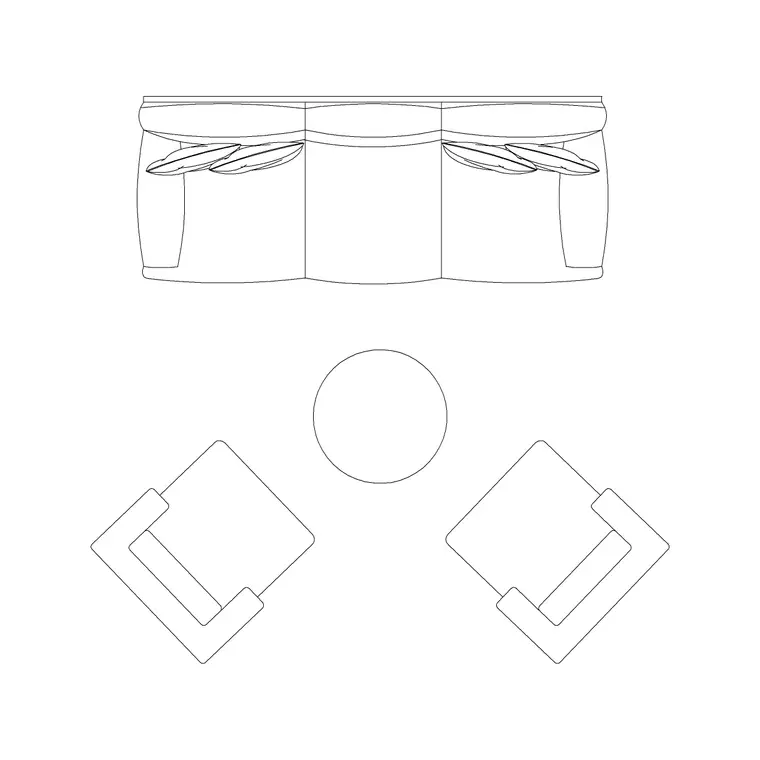
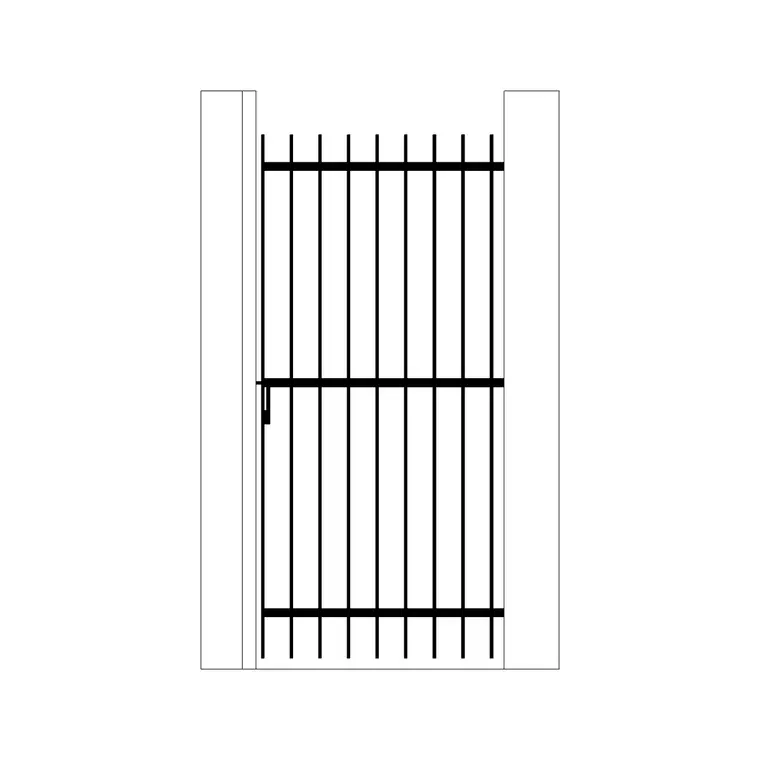
Something like the Sofa Set Plan 1 block or the Iron Gate block should show you a small, sensible layer set when you open them, either sitting cleanly on layer 0 or carrying only the few named layers the geometry genuinely needs. If you ever spot something that looks off, extra layers that clearly came from someone else's title block or a construction layer left visible, that's worth flagging, because a block library is only as good as its worst offenders once you're pulling dozens of pieces into one project.
The five second habit
Basically, before any new block goes into a drawing you actually care about, open it, hit LA, scan it. If it's layer 0 or a small clean set, insert with confidence. If it's a mess, either clean it up first with the block editor (rename, purge, and re-save) or think twice about whether it belongs in a production drawing at all. It's a small habit that separates drawings that hand off cleanly from ones that quietly accumulate cruft project after project.
And if you're building out a personal library from downloaded blocks over time, this check is worth doing once per block rather than once per project, since you'll be reinserting the same file dozens of times over the years. A few minutes spent purging and renaming layers the first time a block enters your library saves you from repeating the same layer manager scan on every single future project that block touches.
Further reading
Questions
Frequently asked
Why is layer 0 considered the correct way to build a block?+
Because objects on layer 0 inherit the current layer at insertion time, meaning the block automatically takes on whatever layer, color, and linetype you have set active when you place it, rather than dragging its own layer scheme into your drawing.
How many layers should a simple furniture or fixture block have?+
Usually one to three at most. A sofa, a wall lamp, or a gate is simple enough geometry that it rarely needs more than layer 0 plus maybe a hatch or hardware layer, and anything beyond that is worth a closer look.
What's the quickest command to check a block's layers?+
Type LA for the Layer Properties Manager to see the full list, or select the block's geometry and run LIST to see the layer of specific objects directly in the command line.
Free downloads from this article

Free CAD block library
Download the blocks from this article — free, no signup