How to import a downloaded block into an existing drawing safely
Importing a downloaded block can drag junk into a clean drawing. The safe way: vet it first, insert without contaminating layers, then verify.
Saumyajit MaityUpdated 6 May 20264 min read
The risk of importing into a live drawing
Your working drawing is clean: tidy layers, a consistent standard, no stray geometry. Then you import a downloaded block and, if you are not careful, it brings passengers — extra layers, hard-coded colours, an unfamiliar linetype, maybe a proxy object from software you do not even run. The block looks fine, but your once-tidy file now has contaminants that will spread and compound as the project grows. This is the quiet way a clean drawing standard decays: one careless import at a time.
The safe approach treats every downloaded block as untrusted until vetted, and imports it in a way that does not pollute the host drawing. It takes a couple of extra minutes per block and it is entirely worth it, because cleaning a contaminant out of a live drawing later — once it is tangled up with your own work — is far more painful than keeping it out in the first place. This guide is the safe import routine, start to finish.
Vet the block in isolation first
The safest move is to clean the block before it ever touches your working drawing. Open the downloaded DWG on its own — drag it onto an empty AutoCAD session, or File > Open. Run AUDIT with the fix option to repair errors, then PURGE All (nested items ticked, run twice) to strip unused layers and styles. Check for stray geometry with ZOOM Extents, remove duplicates with OVERKILL, and confirm there are no proxy objects or wipe-outs.
While you are in there, normalise it: move the geometry to layer 0, set properties to ByLayer with SETBYLAYER, and confirm it measures at real-world scale (a door leaf about 900mm, for instance). Save the cleaned file. Now you have a vetted, normalised block ready to import — and crucially, you did all the cleanup in isolation, so none of the block's junk was ever in your live drawing to begin with. This is the single most effective thing you can do to import safely.
Insert without contaminating your layers
With a clean block ready, switch to your working drawing and set the correct target layer current — your Furniture, Doors or Lighting layer, whichever fits. Because you normalised the block to layer 0, it will inherit that layer on insertion, landing with the right colour and lineweight automatically and adding no foreign layers. Then run INSERT (or I), browse to the cleaned file, leave scale at 1 and rotation at 0 unless you need otherwise, and place it with object snaps so it lands exactly where it should.
Keeping the block as a named block — rather than exploding it on import — keeps your drawing light and lets you manage every instance from one definition. Avoid copy-pasting the raw geometry from the open block file into your drawing, which is the route that most often drags in extra layers; a clean INSERT of a normalised block is far tidier. Set the layer, insert as a block, snap it in place, and the import is clean by construction.
Mind the units so it doesn't come in huge or tiny
The other classic import surprise is scale. A block drawn in millimetres dropped into a drawing set to metres lands 1000 times too big; the reverse makes it almost invisible until you ZOOM Extents. The clean fix is to have INSUNITS set correctly in both the block and your drawing (4 for millimetres, 6 for metres), so AutoCAD auto-scales the block to match on insertion — a millimetre block lands at the right size in a metre drawing with no manual maths.
If a legacy block comes in unitless and the wrong size, insert it anyway and run SCALE with the right factor: 0.001 to take millimetres into a metre drawing, 1000 the other way, 25.4 for inches into millimetres. If you are unsure of the source units, measure a feature you know — a door leaf at roughly 900mm — and divide the size you want by the size you measured to get the exact factor. Getting units right keeps a safe import from being undone by a block that lands at the wrong scale.
Verify after importing, then carry on
Even with a vetted block and a clean insert, do a quick post-import check. Open the Layer Manager and confirm no unexpected layers appeared — if one did, the block was not fully normalised; merge it away with LAYMRG and PURGE. Select the inserted block and confirm it sits on your intended layer with ByLayer properties. Measure a known dimension to confirm scale. A ten-second verification catches the rare contaminant that slipped through.
For extra assurance on an important drawing, run a quick PURGE on the host file after importing to sweep up anything the insertion brought along. Once the block checks out — right layer, right scale, no stray layers — you can trust it and keep working. This whole routine — vet in isolation, normalise to layer 0, insert onto a current target layer with correct units, then verify — is what lets you bring outside content into a clean drawing confidently, project after project, without your standard ever quietly eroding.
Questions
Frequently asked
How do I import a downloaded block without messing up my layers?+
Clean and normalise the block to layer 0 with ByLayer properties in isolation first, then set your target layer current in the working drawing and INSERT it — it inherits that layer and adds no foreign ones. Avoid copy-pasting raw geometry, which drags in extra layers.
Why does an imported block come in the wrong size?+
A units mismatch. Set INSUNITS correctly in both files (4 = mm, 6 = m) so AutoCAD auto-scales on insertion. For a unitless legacy block, insert it and run SCALE by 0.001 (mm into a metre drawing) or 1000 the other way.
What should I check after importing a block?+
Open the Layer Manager to confirm no unexpected layers appeared, verify the block sits on your intended layer with ByLayer properties, and measure a known dimension to confirm scale. A quick PURGE afterwards sweeps up anything the insert brought along.
Free downloads from this article
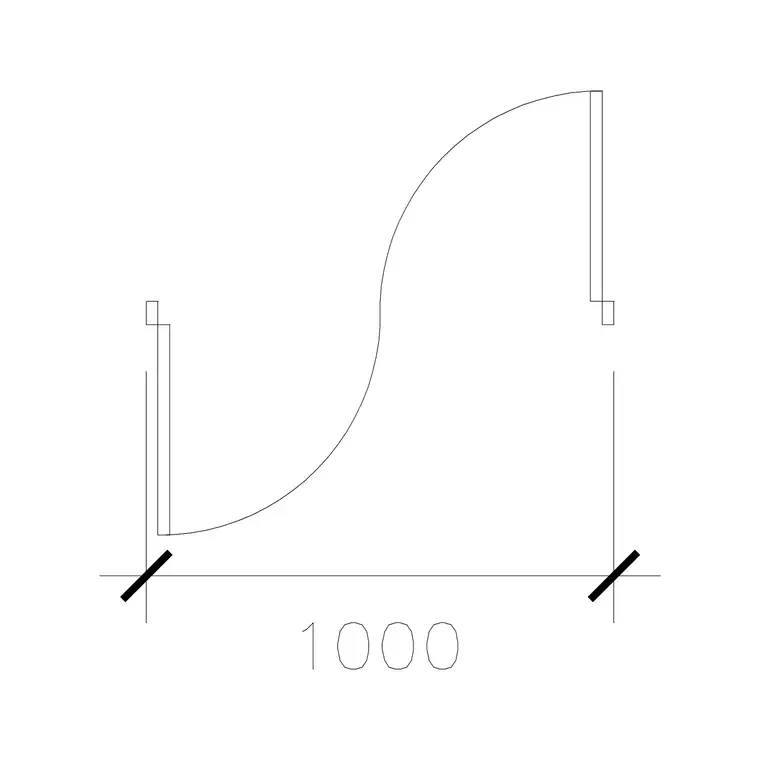
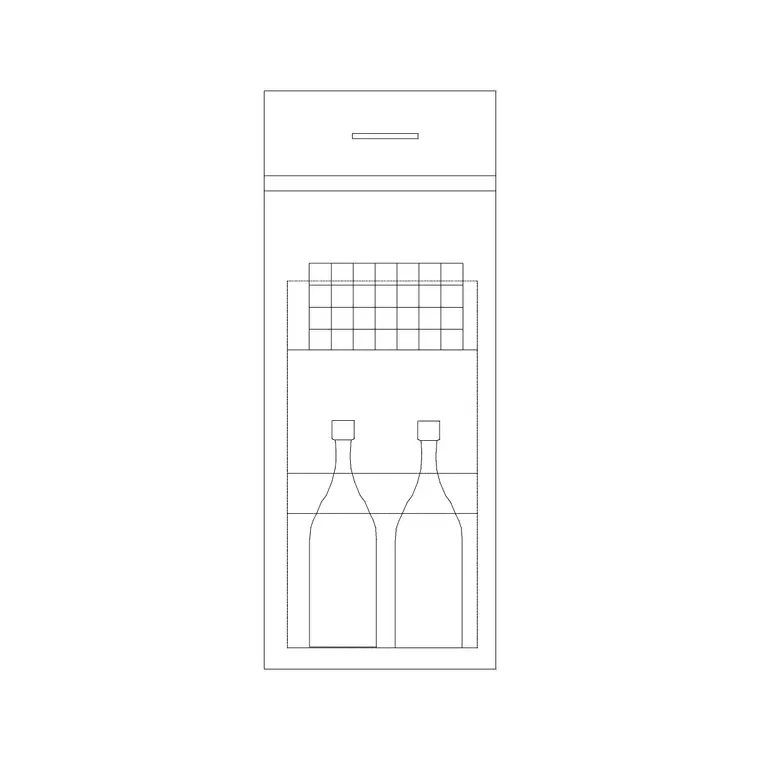
Free CAD block library
Download the blocks from this article — free, no signup