A Pet Friendly Space Designer's Guide to CAD Blocks
Free dog and landscape CAD blocks for pet friendly interiors, courtyards and vet clinic layouts, with practical scale tips.
Sumana KumarUpdated 27 March 20265 min read
Pet friendly design is a real, growing brief now
Pet friendly design used to be a footnote on a residential project, maybe a dog bed nook or a mudroom wash station, but it's become a genuine standalone brief now across hospitality, workplace, multifamily housing and retail, and it's a shift I've watched happen relatively quickly over the past several years as more building types compete for tenants and guests by treating pet accommodation as a real amenity rather than a grudging exception, clients specifically asking for spaces designed around the animals that will actually use them, not just tolerated by them, and that shift means having the right reference blocks for scale and layout testing matters a lot more than it used to.
A client asking for a genuinely pet friendly building today expects the same level of thought given to their animal's clearances and comfort as a human occupant would get, which is a meaningfully higher bar than the token accommodation this kind of brief used to receive. I've noticed clients increasingly bring their own experience as a pet owner into the brief directly, describing exactly what has frustrated them in other buildings, a relief area too far from the entrance, a waiting room with no separation between nervous animals, which makes early scale testing on a proper CAD plan genuinely valuable rather than a box ticking exercise.
The dog block and what it's actually useful for
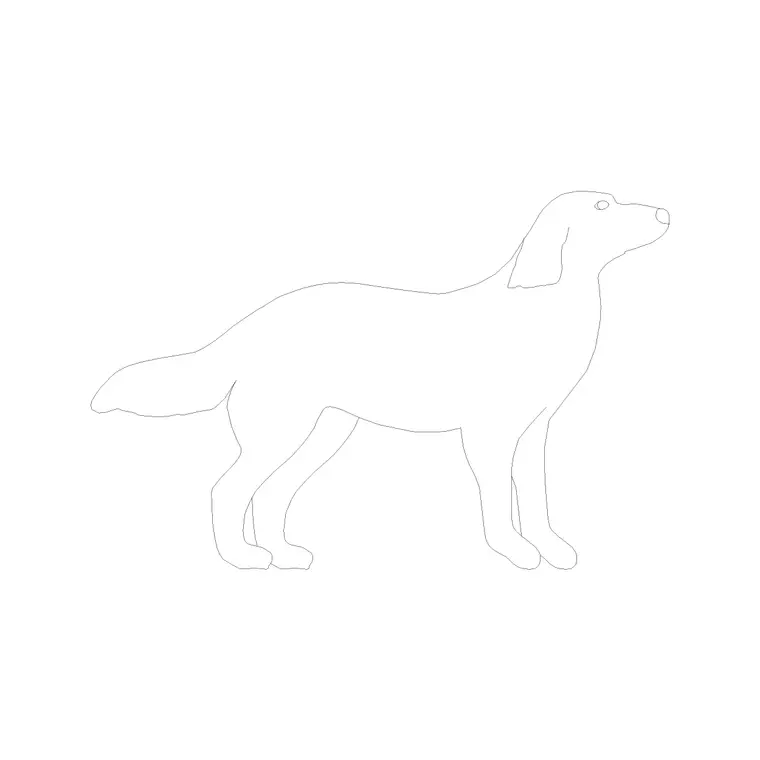
The dog block from cadblockdwg.com's Animals category is the one I reach for constantly on this kind of project, not because a client needs a literal dog drawn into their floor plan, but because it's a genuinely useful scale reference when you're testing whether a proposed dog run, a pet relief area, or a waiting room in a vet clinic actually has usable clearance for an animal to move, turn and lie down comfortably, rather than being sized on a guess.
Dog breeds obviously vary enormously in size, so treat the block as a mid size reference point and adjust your actual clearances up or down depending on the specific population your project is designed for, a small breed dog park needs meaningfully less turning space than one built for larger breeds, and a facility expecting a genuine mix of sizes should design to the larger end of that range to avoid a space that only really works for smaller dogs. I'll sometimes place two or three dog blocks at once in a shared area, spaced at a comfortable distance apart, to test how the layout holds up with several animals present simultaneously rather than checking clearance for a single dog in isolation.
Landscape and courtyard blocks for outdoor pet spaces
For dog runs, courtyards and outdoor relief areas, the pine elevation block from Trees & Plants is useful for testing shade coverage, since outdoor comfort for both pets and their owners depends heavily on getting shade right across a run's usable hours, and a tree placed without checking its actual canopy spread against the space can leave half a run in full sun for most of the day.
I'll typically lay out fencing, planting and surfacing zones on a base plan first, then test dog block placement at a few points to confirm turning and movement space genuinely works before committing to a fence line, since moving a fence after installation is a far more expensive fix than catching a tight turning radius on the drawing while it's still just lines on a screen.
Interior spaces, from workplaces to vet clinics
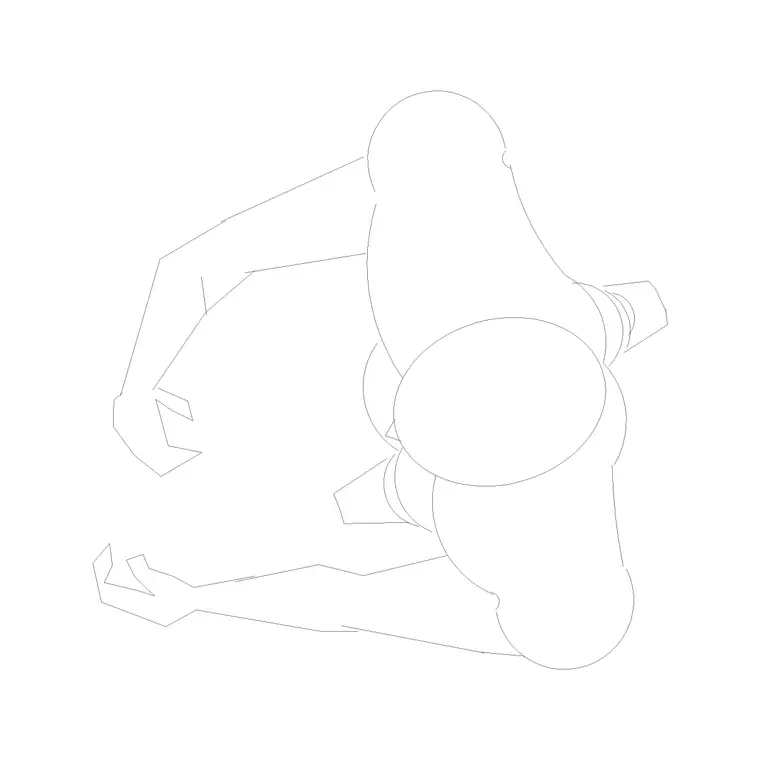
For pet friendly workplace design, which is now a genuine amenity offering at a lot of companies, the office chair block gives you a realistic seating footprint for testing whether a shared office space has room for both staff seating and a comfortable dog bed or crate zone nearby without crowding the walkway.
Vet clinics and pet daycare facilities have their own specific layout needs, waiting areas need to keep incoming animals a comfortable distance apart, and I'll use the dog block at a few positions through a waiting room layout to check that spacing genuinely holds, rather than assuming a generically sized waiting room will automatically work for pets the way it would for people, since two anxious dogs seated too close together in a waiting room is a very different problem to two anxious humans in the same spacing.
Scale and setting up the drawing correctly
Set your units to millimetres and work at 1:50 for interior pet space layouts, 1:100 or larger for outdoor dog run and courtyard planning. Check any block you insert against a known real world dimension immediately, a standard interior door swing at roughly 900mm clear is a reliable gut check, and if a dog or furniture block looks obviously wrong against that reference, you've likely got a units mismatch between the block's native drawing and your file, correctable by scaling 1000 or 0.001 on insert.
I run this check the same way on every pet friendly project regardless of scale, since a courtyard plan and an interior waiting room layout are both vulnerable to the exact same units error, and the fix takes only a moment once you've spotted it.
A couple of things worth keeping in mind on this kind of project
Surfacing choice matters as much as layout for pet friendly spaces, but that's a materials decision that sits alongside your CAD plan rather than something the geometry itself can solve, so note surfacing zones clearly on your drawing even though the block library won't model the material itself.
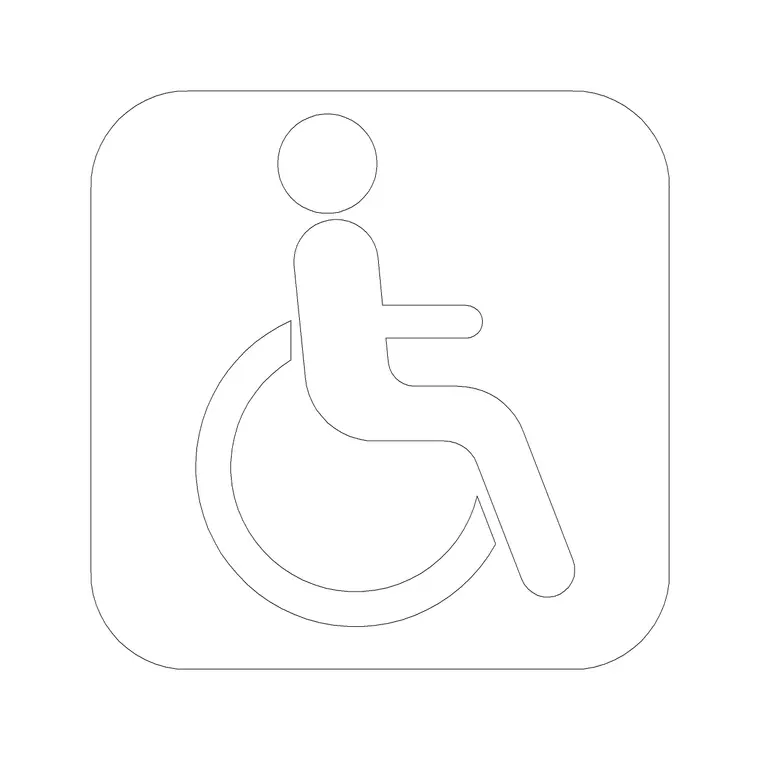
And remember accessibility still applies here too, a pet friendly space still needs to work for a person using a mobility aid moving through it alongside their animal, so it's worth bringing the wheelchair accessible block from Building Symbols into any pet space layout that's genuinely open to the public, checking clearances the same way you would on any other commercial project, because [universal design](https://en.wikipedia.org/wiki/Universal_design) doesn't stop applying just because the brief has gone playful. It's worth remembering that a genuinely well designed pet friendly space tends to work better for everyone using it, quieter waiting rooms, wider circulation, softer flooring transitions, so the extra care taken on this kind of brief rarely comes at the expense of the human experience of the building, it usually improves it.
Further reading
Questions
Frequently asked
Is there a CAD block specifically for pet friendly space planning?+
Yes, the dog block under the Animals category on cadblockdwg.com is useful as a scale reference for testing dog run, waiting room and pet relief area clearances, free to download with no signup required.
What scale should a dog run or outdoor pet space be drawn at?+
1:100 or larger works well for outdoor dog runs and courtyards, giving you room to plan fencing, shade and surfacing zones together, while interior pet spaces are usually clearer at 1:50.
Do pet friendly spaces still need to meet accessibility standards?+
Yes, any pet friendly space open to the public still needs to work for people using mobility aids, so it's worth checking clearances against the wheelchair accessible symbol block the same way you would on any other commercial layout.
Free downloads from this article


Free CAD block library
Download the blocks from this article — free, no signup