CAD blocks for an end-of-summer patio furniture swap drawing
Updating a patio drawing for an end-of-summer furniture swap, with fence, railing and planting CAD blocks that anchor the space around new pieces.
Sumana Kumar5 min read
A furniture swap drawing is smaller than it sounds, but it still needs context
The brief for this kind of drawing usually sounds simple, just update the furniture on an existing patio plan, but doing it well still means checking the elements around the furniture, because a new dining set or a different lounge arrangement can genuinely change the traffic pattern relative to a fence line or a railing edge that was drawn years ago and never revisited. I have seen a furniture swap plan get sent back from review because a new sectional layout put a piece of furniture inside the required clearance zone next to a pool guard railing, a detail nobody thought to check because the request was framed as just a furniture update.
So even on what looks like a quick swap, it is worth pulling up the boundary and structural blocks already in the file and confirming they are still accurate before dropping new furniture on top of them.
It is a useful reminder that a drawing request framed casually is not the same thing as a drawing scope that is actually small, and treating every revision, however it is described by the client, with the same quick check against the boundary and safety elements already in the file is what prevents that kind of embarrassing resubmission.
Checking the boundary treatment against the new layout
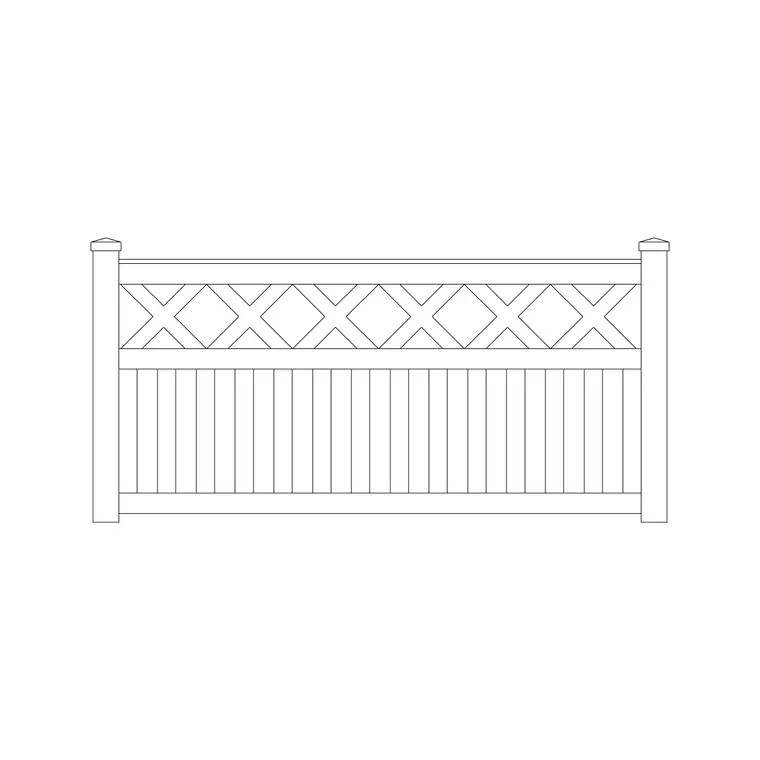
If the fence line bordering the patio has not been touched since the original drawing, this is a good moment to confirm the fence design block in the file still matches what is built, and if the furniture swap includes any new structure, a pergola footing, an extended deck edge, that boundary detail should get updated at the same time rather than left as a separate task for later. Typical residential fence heights run from about 0.9 to 1.2 metres for a low garden boundary up to 1.8 to 2.1 metres for full privacy screening, worth double checking against the elevation view if the new furniture arrangement changes how much of the fence is actually visible from the seating area.
If the swap includes moving the dining or lounge zone closer to the fence line than it sat previously, it is also worth checking whether that changes privacy expectations for the client, since furniture placed right up against a lower garden fence reads very differently in terms of sightlines from a neighboring property than the same furniture set back further into the yard.
Railing clearance around the new furniture arrangement
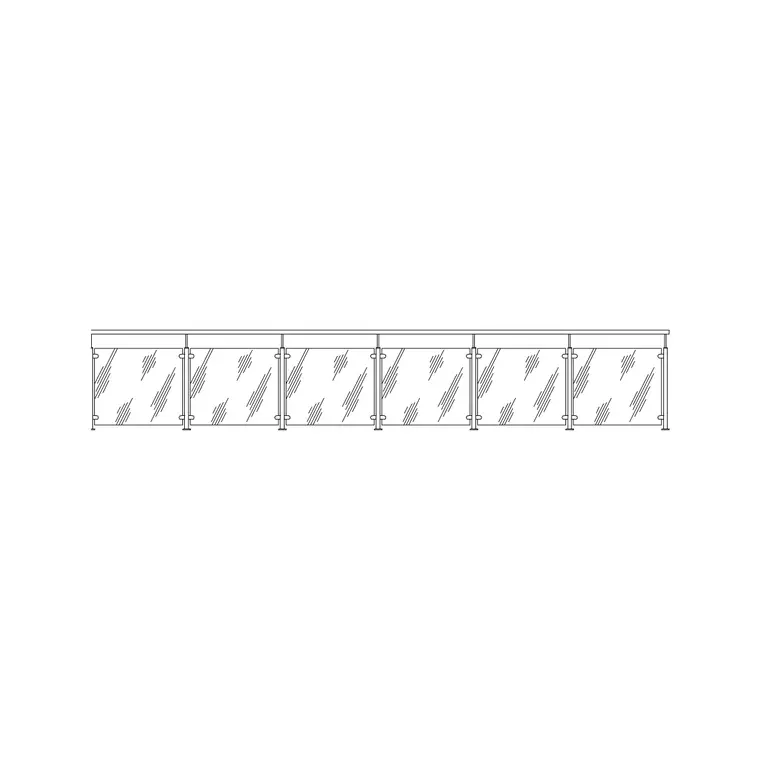
If the patio includes a raised deck or sits above a drop with a glass railing installed, the new furniture layout needs to respect the clearance zone along that edge, both for genuine safety reasons and because most codes specify a minimum clear distance between furniture and a guard railing so the barrier is not compromised by something being stacked or leaned against it. A frameless glass guard is typically detailed at a 900 to 1100 millimetre height, and when I am placing new furniture blocks against that edge I keep at least a modest clearance strip, often in the 300 to 500 millimetre range at minimum, free of furniture so the railing reads clearly in both the plan and any elevation view generated from it.
This is also a good moment to confirm the railing's own condition rather than assuming the block in the drawing still matches reality, glass panels do occasionally need replacing after a few seasons of weather exposure, and if the client mentions any damage or wear during the furniture conversation, it is worth flagging that as a separate item rather than letting it get lost in what is nominally a furniture-only update.
Refreshing the planting that frames the seating area
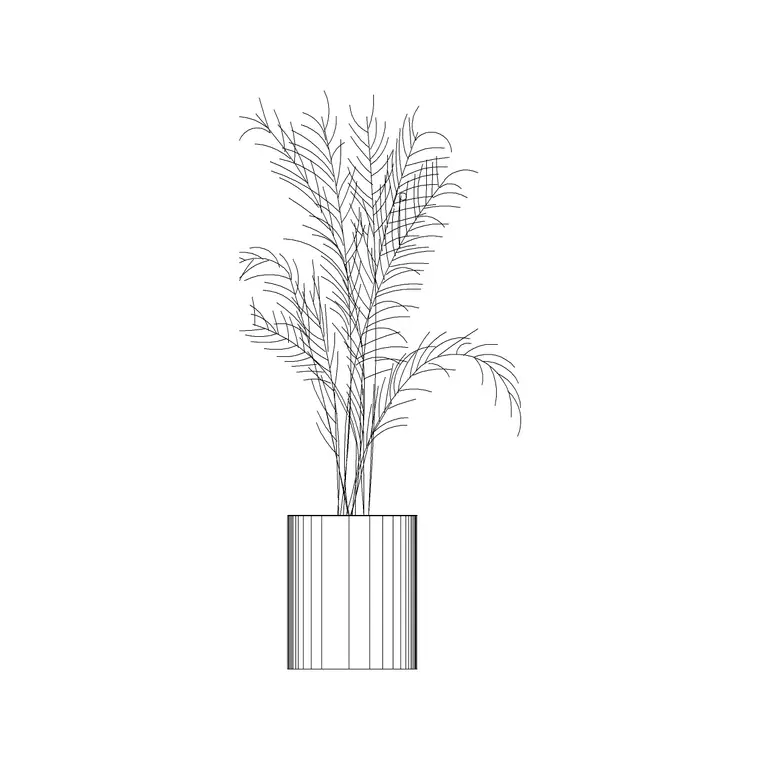
A furniture swap is also a natural moment to refresh tired planting blocks framing the patio, since new furniture with a different footprint sometimes exposes a gap in the planting layer that was previously hidden behind an old piece. Shrub blocks like shrub E16, mature spread typically in the 0.6 to 1.8 metre range, work well for filling in a foundation bed along the patio edge, while an elevation tree block such as pine elevation, generally shown at a mature height in the 3 to 8 metre range, adds shade and vertical structure if the new furniture arrangement has shifted where people are actually going to sit for the remainder of the season.
New furniture with a lower profile than what it replaced can also expose planting that used to be hidden year-round, which sometimes means what looked like adequate shrub coverage in the old layout is suddenly showing gaps once the tall pieces it used to sit behind are gone, so it is worth walking the plan with fresh eyes rather than assuming the existing planting still reads the same way against the new arrangement.
Keeping the update contained and easy to track
For a swap like this I do not touch the base patio geometry at all, deck footprint, paving, steps, and I keep the new furniture on its own layer distinct from the previous arrangement, sometimes literally naming it something like FURN-2026 so the drawing has a clear record of what changed and when, which matters if the client asks for the previous layout back or wants to compare options side by side before the season ends. That kind of version discipline is a small habit, but it is the difference between a drawing history that makes sense six months later and one where nobody can tell which furniture layout is actually current.
This version discipline also pays off if the client decides partway through the season that the new arrangement is not working and wants to revert, having the previous furniture layout intact on its own named layer means that reversal is a quick layer swap rather than trying to reconstruct a layout from memory or an old screenshot.
Format notes for a fast turnaround swap
For a swap like this, which usually needs to turn around quickly before the last warm weekends of the season, DWG is generally the faster path if the base patio file is already in AutoCAD, since the new furniture blocks drop straight in without a conversion step. If the client's landscape designer is working in a different package entirely, exporting the furniture layer alone as DXF is often quicker than sending the whole combined file, and it avoids handing over boundary or safety geometry that is not actually part of what changed.
Further reading
Questions
Frequently asked
Do I need to update the fence or railing blocks if I'm only swapping furniture?+
Not always, but it is worth confirming those blocks in the file still match what is actually built, especially if the new furniture arrangement changes clearance relative to a boundary or guard railing edge.
How much clearance should furniture keep from a guard railing?+
A clearance strip in the 300 to 500 millimetre range at minimum is a reasonable drafting default to keep furniture from compromising a guard railing, though always confirm against the specific local code for the final layout.
Should I overwrite the old furniture layout or keep both versions?+
Keep the previous layout on a separate, clearly named layer rather than deleting it outright, at least until the new arrangement is confirmed, since clients often want to compare options or revert before the season ends.
Free downloads from this article

Free CAD block library
Download the blocks from this article — free, no signup