Bottle and glassware CAD blocks for a bar or dining render
Decorative bottle and glassware CAD blocks for a bar back or dining sideboard elevation, with realistic sizing and grouping tips.
Saumyajit MaityUpdated 16 June 20265 min read
The small details that sell a bar or dining elevation
A bar counter or dining sideboard drawn with nothing on it is one of those elevations that technically shows everything the architecture needs to show and still somehow looks unconvincing, and in my experience the fix is almost always the smallest accessories in the library, decorative bottles and glassware, rather than anything structural. These are the details that actually make a bar elevation read as a bar rather than a countertop with cabinets underneath it.
It's a detail that's easy to skip because it feels minor compared to getting the cabinetry and counter dimensions right, but in practice it's often the first thing a client's eye goes to on a rendered bar elevation, simply because it's the part of the drawing that most closely resembles something they'd actually recognize from a bar they've been to, rather than pure architecture.
What glassware and bottle blocks actually add to the scene
Bottle and glassware blocks do a specific kind of styling work that larger accessories like a vase or a framed picture can't, they add texture and clutter in the good sense, the kind of controlled visual density that makes a surface look actively used rather than staged for a photo shoot. On a bar back elevation, a run of bottles at varying heights along a shelf immediately reads as inventory, as a working bar, in a way that an empty shelf with a single accent piece never will, and pairing that with glassware, stemware hanging from a rack or stacked on a lower shelf, rounds the scene out further.
It's worth thinking about lighting cues here too if the elevation includes any indication of under shelf or accent lighting, backlit glass shelving is a common enough bar detail that a bottle and glassware arrangement styled against it should account for how silhouettes read against a lit background, denser bottle groupings tend to read more dramatically against backlighting than sparse ones do.
Grouping logic that reads like an actual bar setup
Grouping is everything with these small accessories, and the mistake to avoid is lining bottles up in a perfectly even row, which reads artificial the second you look at it. Real bar shelving has variation, taller spirit bottles clustered one way, shorter liqueur bottles grouped another, gaps where stock has been used and not yet refilled. A believable grouping mimics that irregularity, cluster three or four bottles together at slightly varied heights, leave a visible gap, then another small cluster, rather than a uniform march of identical silhouettes across the whole shelf run.
It also helps to think in terms of categories rather than individual bottles when you're building a grouping, clear spirits together, dark spirits together, mixers and wine set slightly apart, because that's genuinely closer to how a working bar actually organizes stock, and a grouping that follows that logic reads as more deliberately composed even to a viewer who couldn't articulate exactly why it looks right.
Realistic sizes to check your scaling against
Realistic sizing matters even at this small scale, a standard wine or spirit bottle is typically in the 280 to 320 millimeter height range, a shorter liqueur or specialty bottle can run closer to 200 to 250 millimeters, and stemware, wine glasses specifically, usually lands somewhere around 200 to 230 millimeters tall including the stem and base. Checking bottle blocks against your shelf depth matters too, a standard back bar shelf is often only 200 to 250 millimeters deep, so a bottle silhouette that reads wider than that in plan view is either scaled wrong or represents a format that wouldn't actually fit the shelf as drawn.
If the project includes a wine display specifically, worth noting that wine bottles lying on their side in a rack take up a noticeably different footprint than upright spirit bottles on a shelf, roughly 300 to 320 millimeters in length lying flat, and that horizontal storage logic needs its own dedicated block and layout approach rather than trying to adapt an upright bottle block to a racked orientation.
Pairing bottles and glassware with the surrounding accessory set
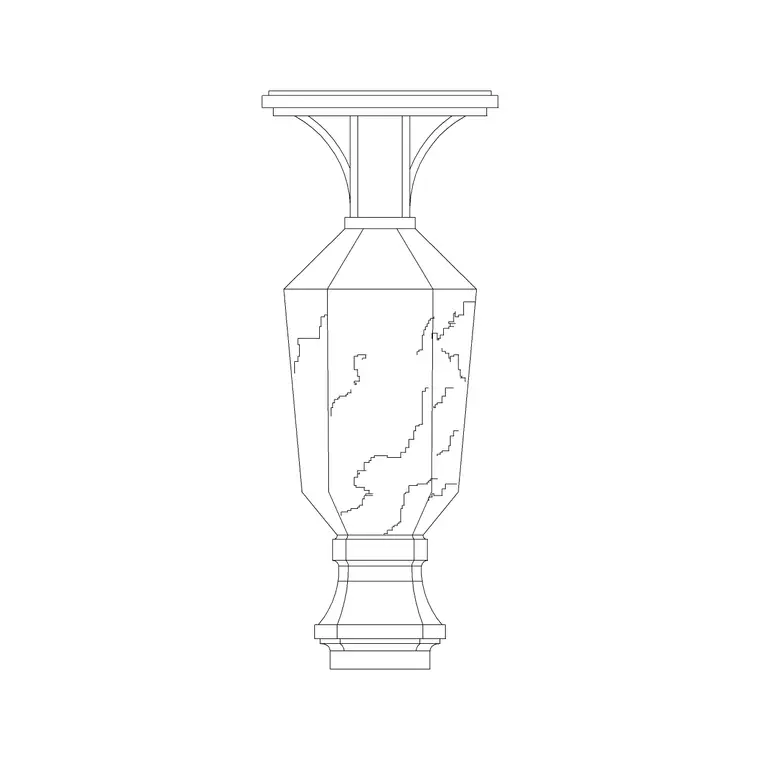
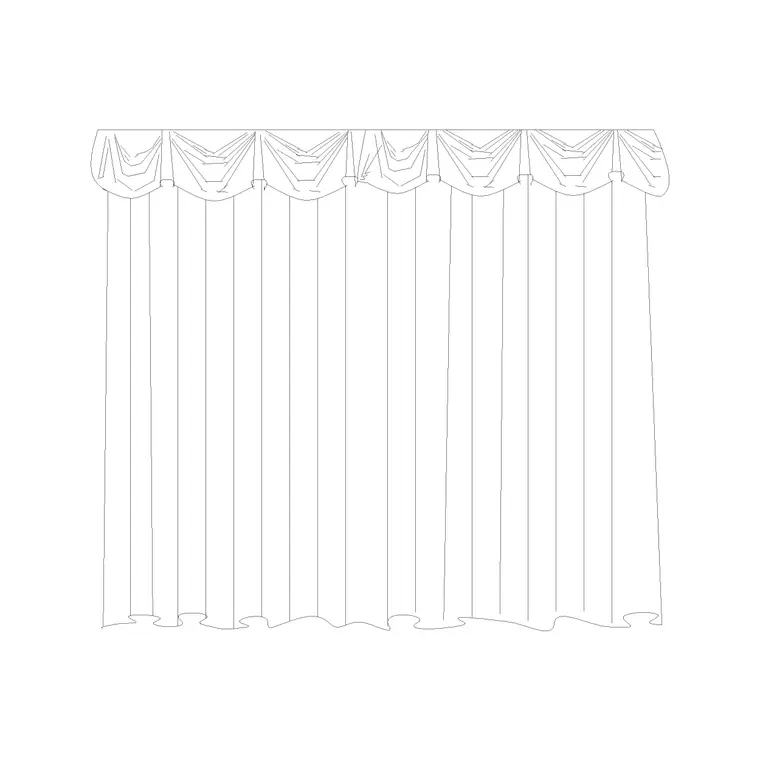
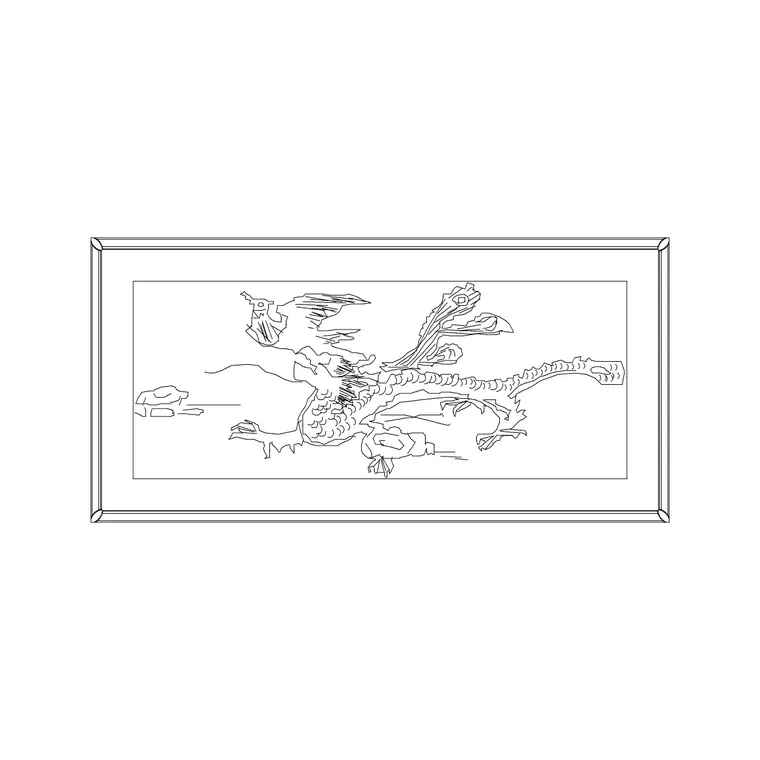
Beyond the bar itself, these small decorative blocks pair naturally with the broader dining accessory set, a carved vase can anchor one end of a sideboard while a cluster of bottles and glassware occupies the other, giving the elevation the kind of asymmetric, lived in balance that a row of identical objects never achieves. If the dining space also has a curtain treatment or framed art in the background, keeping the overall formality consistent, refined glassware pairs naturally with a more tailored curtain style, casual bottle groupings suit a looser, more relaxed drape, ties the whole elevation together as one coherent styling decision.
Consistency with the dining table setting elsewhere on the same project is worth checking too, if you're showing place settings or glassware on a dining table elsewhere in the package, the glassware style, stemmed versus tumbler, formal versus casual, should broadly match what's shown at the bar, since a mismatch between the two areas on the same project reads as an inconsistency even if neither area is wrong in isolation. It's a small habit, but on a project where the beverage program changes more than once before opening, and it usually does, that separation between styling categories is what keeps the whole bar wall reading as coherent rather than assembled from mismatched pieces.
Getting the blocks onto the drawing cleanly
Insert bottle and glassware blocks with INSERT so base points land correctly on the shelf line, keep them on a dedicated bar decor or FF&E layer, separate from the millwork and cabinetry layers, so a construction document set can hide the styling entirely and just show the joinery. Because these blocks are small and often placed in dense clusters, zoom in before finalizing the sheet to confirm nothing is overlapping the shelf edge or floating above the surface it's meant to be resting on, an easy thing to miss when placing a dozen small objects quickly across a long bar run.
Because bar elevations are often revisited multiple times through a project as the beverage program or supplier list changes, it's worth keeping bottle and glassware blocks on their own clearly named sublayer so a later revision can swap out or restyle just that portion of the drawing without touching the surrounding cabinetry, counter, or lighting layers that haven't changed.
Further reading
Questions
Frequently asked
How tall is a standard wine or spirit bottle for scaling purposes?+
Typically in the 280 to 320 millimeter range, with shorter liqueur or specialty bottles running closer to 200 to 250 millimeters, useful reference points when checking a block's scale against your shelf.
Should bottles be arranged in a perfectly even row?+
No, a slightly irregular grouping with varied heights and small gaps reads far more convincing than a uniform row, which tends to look artificial on a rendered elevation.
How deep does a typical back bar shelf need to be?+
Often somewhere around 200 to 250 millimeters is a reasonable working range for standard bottle storage, check that against whatever bottle blocks you're placing so nothing reads as overhanging the shelf edge.
Free downloads from this article
Free CAD block library
Download the blocks from this article — free, no signup