Why some downloaded CAD blocks include hidden or frozen layers
A block that looks simple can still carry frozen or off layers underneath. Here's why that happens, how to find them, and when it's worth cleaning up.
Sumana KumarUpdated 12 July 20266 min read
The block that looked simple until I checked the layer list
I once opened what looked like a completely ordinary chair block, three or four lines and a hatch, and when I pulled up the Layer Properties Manager it had eleven layers, most of them frozen, one carrying a full dimension string from whatever project the block had been extracted out of originally. Visually the block looked exactly as simple as it should. Structurally it was carrying baggage from a drawing I'd never even seen. This is more common than you'd think, and it's worth understanding why it happens rather than just being annoyed by it.
Why it's not always a problem
To be fair, a frozen layer that's genuinely empty of anything relevant, say a leftover dimension layer with zero objects on it, is mostly harmless, it just adds a line to your layer list you'll never use. The catch here is you can't tell whether a frozen layer is harmless or is quietly carrying geometry you'd rather not import until you actually thaw it and look. Frozen geometry doesn't display and doesn't plot, but it's still there, still adding to file size, and if anyone ever thaws that layer by accident later in the project, suddenly there's a stray dimension string or a piece of someone else's floor plan sitting in the middle of your drawing.
There's a difference too between a layer that's frozen and one that's simply turned off. A frozen layer is excluded from regen calculations entirely, which is marginally better for performance, while a layer that's off still gets processed during a regen even though it's invisible. If you're finding a block with several off, non-frozen layers rather than frozen ones, that's a small extra performance cost sitting there even while everything looks clean on screen, worth knowing when you're specifically chasing a slow drawing.
The specific risk when a frozen layer gets thawed later
The scenario that actually causes damage isn't the frozen layer sitting quietly, it's someone thawing it later without knowing what's on it. This happens more than you'd expect, usually when someone's troubleshooting an unrelated display issue, thaws all layers in a drawing to rule something out, and suddenly there's a stray dimension string or a fragment of someone else's floor plan sitting in the middle of a client presentation file. It's rarely caught immediately either, because by the time someone thaws all layers for a different reason, the block might have been inserted a dozen times across a project, meaning that hidden geometry is now potentially sitting in a dozen places at once, all needing the same cleanup. That's really the core argument for dealing with hidden layers at the source, once, in the block definition itself, rather than hoping nobody ever thaws the wrong layer at the wrong moment three months into a project.
How to check for it
Open the block standalone, go to the Layer Properties Manager, and specifically look at the frozen and off columns rather than just scanning layer names. Thaw everything temporarily (select all, right click, thaw) and do a Zoom Extents, which will reveal anything that was hidden, including geometry sitting well outside the block's visible bounding box that you'd never see otherwise. If something unexpected shows up, that's your answer, the block was carrying more than it appeared to. Once you've inspected it, you can either purge the unwanted layers and geometry and re-save a clean version for your own library, or simply decide the block isn't worth using as-is.
Working through that eleven-layer chair block from earlier as a concrete example: thawing everything and running Zoom Extents revealed a dimension string sitting about four metres off to the side of the chair geometry, a leftover from the room it had originally been drawn in, plus an empty hatch layer that had nothing on it at all. The dimension string was the real find, since it would have imported into any drawing that block landed in, invisible until someone happened to thaw that particular layer for an unrelated reason. Purging it, then re-saving the block, took under two minutes once I'd actually found it, which is the whole argument for doing this check rather than skipping it.
What this means for blocks like gates, sofas, and lighting fixtures
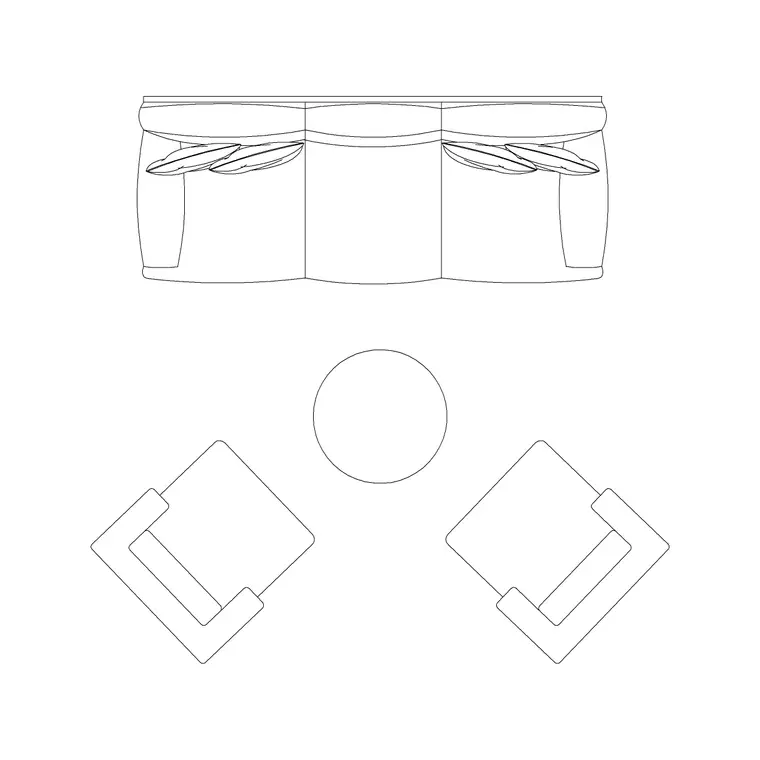
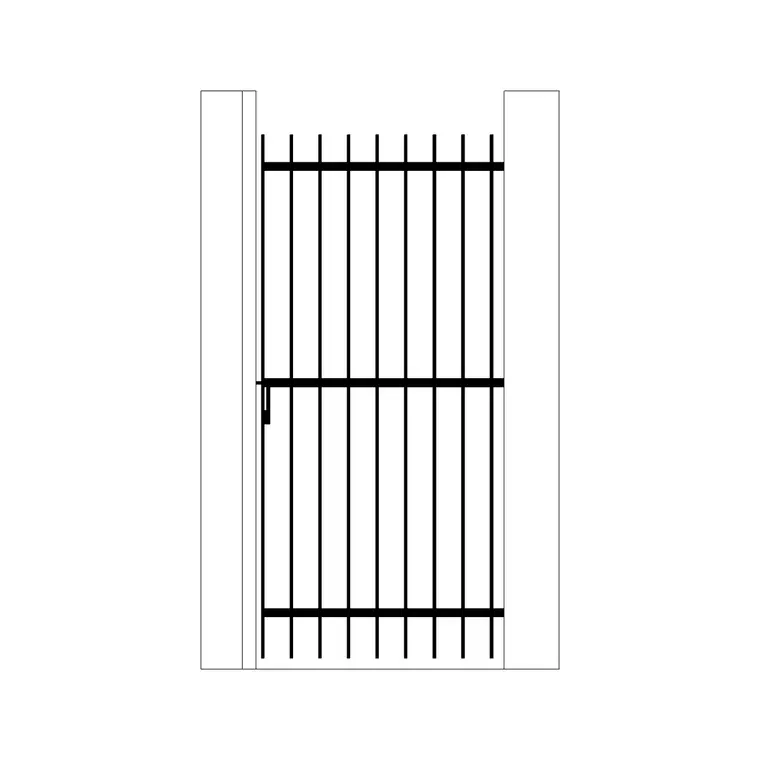
For something like the Iron Gate or the Sofa Set Plan 1 block, a clean build genuinely doesn't need more than one to three layers, so if you thaw everything and find a stack of empty or near-empty layers that clearly came from somewhere else, it's not going to break your drawing but it is a fair signal to check the rest of the block's construction a little more carefully too. Quality tends to travel together, a block with careless leftover layers is somewhat more likely to also have messy geometry underneath, so this check doubles as an early warning for other issues.
The takeaway for building your own library
If you're saving downloaded blocks into your own reusable library rather than using them once and discarding them, this is the moment to do the cleanup, thaw everything, PURGE unused layers and blocks, re-save. It takes a couple of minutes per block and it means every future insertion from your personal library is genuinely clean rather than quietly dragging someone else's project history along with it. Basically, treat frozen layers as a question mark worth answering once, not a detail to ignore.
It's worth doing this before the block gets reused rather than after, too, since a frozen layer nobody knew about is far easier to deal with in one source file than it is after that block has been copy-pasted or re-inserted across a dozen sheets in a live project, at which point cleaning it up means touching every single instance rather than one definition.
A reasonable middle ground, if you don't have time to fully audit every block the day you download it, is at minimum to thaw and Zoom Extents once before the first time you actually insert a new block into a live project, even if you don't purge anything right away. That single check catches the worst case, a stray piece of someone else's drawing sitting inside geometry you're about to build a client deliverable around, without requiring the full cleanup pass every single time.
Further reading
Questions
Frequently asked
Why would a downloaded CAD block have layers I can't see?+
Usually because the block was originally extracted from a full project drawing rather than built from scratch, and layers from that source drawing, like dimensions or hatches, came along and were frozen or turned off rather than removed.
Are frozen layers in a block actually harmful?+
Not always. An empty frozen layer is mostly harmless clutter. But you can't know it's empty until you thaw it and check, since frozen geometry is invisible and doesn't plot, yet still adds to file size and can surface unexpectedly if the layer is thawed later.
How do I check what's hidden in a block's frozen layers?+
Open the block standalone, select all objects and thaw every layer, then run Zoom Extents. Anything that was hidden will now be visible, including geometry sitting outside the block's normal bounding box.
Free downloads from this article

Free CAD block library
Download the blocks from this article — free, no signup