What clean geometry means in a downloaded CAD block
Duplicate lines, unclosed polylines, and stray points quietly wreck a drawing. Here's what clean CAD block geometry actually looks like and how to check for it.
Saumyajit MaityUpdated 14 April 20266 min read
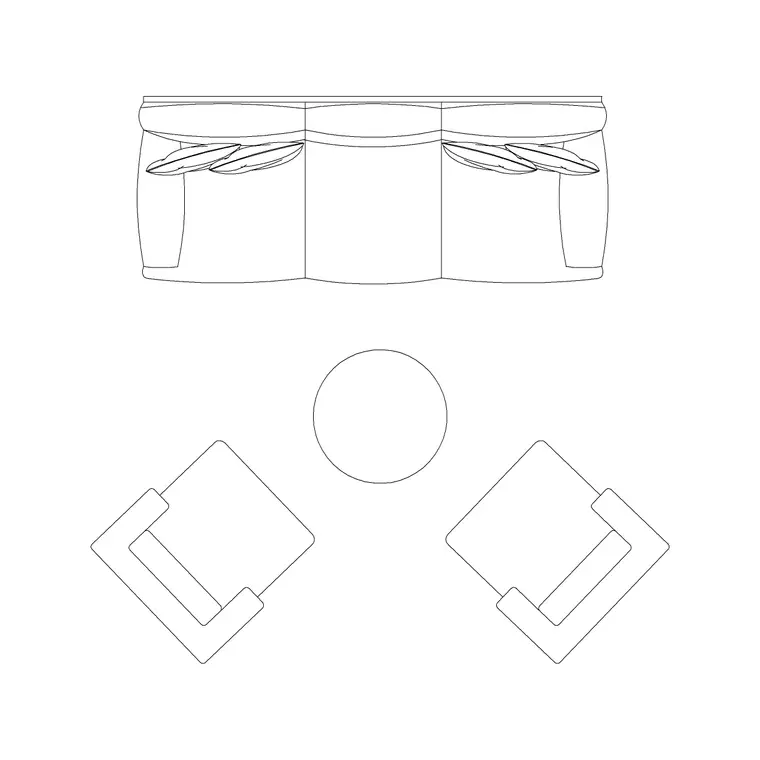
It's not about how it looks, it's about what's underneath
A block can look perfectly fine on screen and still be a mess underneath, and that gap is basically the whole subject of this post. Clean geometry isn't a visual judgment, it's a structural one, it's about whether the lines, arcs, and polylines that make up the block are doing exactly what they appear to do with nothing extra hiding underneath them. I've opened blocks that looked crisp at any zoom level and turned out to have three overlapping copies of the same outline stacked directly on top of each other, invisible until you tried to select just one edge and got a menu of five identical objects instead.
The four things that actually make geometry "clean"
First, no duplicate objects, meaning nothing is drawn twice in the same place, which happens more often than you'd think when a block gets copy-pasted or traced over an existing reference and the original never gets deleted. Second, closed polylines where they should be closed, so a chair outline or a gate panel forms one continuous boundary rather than a series of separate line segments that only look joined at the current zoom level. Third, no stray points or zero-length lines left behind from editing, the kind of debris that doesn't show up visually but adds up in object count and can throw off a SELECT ALL or a hatch boundary. Fourth, consistent line joins, meaning corners actually meet rather than overlapping slightly or leaving a tiny gap that's invisible until you try to hatch the enclosed area and AutoCAD complains about an open boundary.
A fifth thing worth naming separately, because it trips people up specifically, is entity type consistency. A boundary built from a mix of individual lines and arcs rather than one joined polyline can look identical to a properly joined boundary right up until you try to select it as a single object or offset it, at which point the individual segments scatter rather than moving together as one shape. Running PEDIT with the Join option on a suspect boundary is a quick way to convert loose segments into one clean polyline, and if AutoCAD reports that some segments couldn't be joined, that's telling you exactly where the boundary actually has a gap.
How to check for it yourself
Open the block and run OVERKILL (the command, not just the concept) which specifically hunts for and removes duplicate and overlapping objects, and if it finds and removes a pile of them, that tells you the block wasn't clean to begin with. Try selecting the outer boundary of the block and see if it highlights as one continuous polyline or as a scatter of individual segments, since the former is what you want. And if you're planning to hatch any part of the block later, for instance a gate panel or an elevation fill, try HATCH on the boundary as a test, because hatch is famously unforgiving of gaps and will tell you immediately if the boundary isn't actually closed.
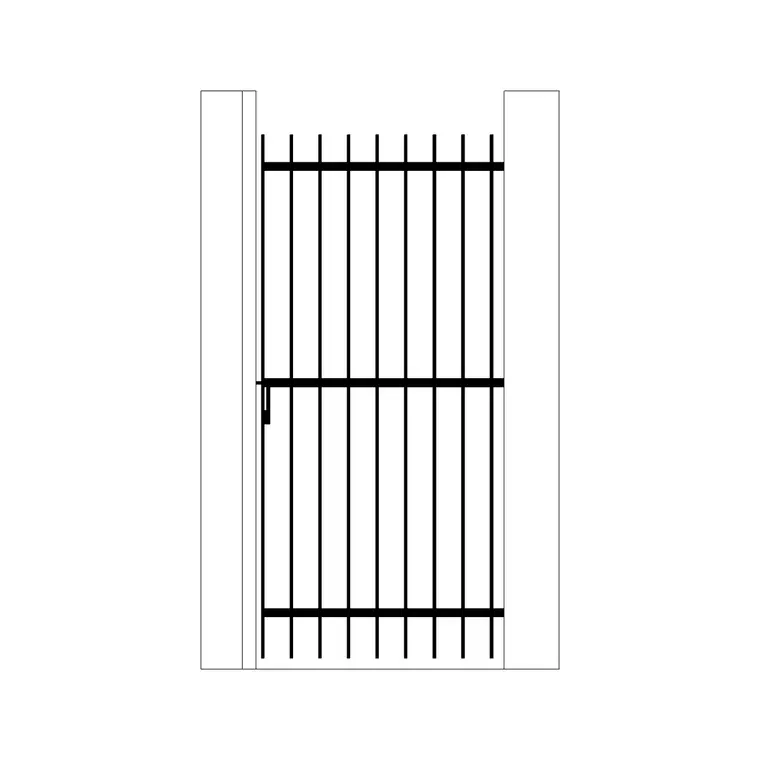
A specific example worth walking through: I once ran OVERKILL on a downloaded gate block and it silently deleted eleven duplicate line segments, all sitting exactly on top of the visible bars, no visual change to the drawing whatsoever because the duplicates were perfectly stacked. The object count dropped by about a third. Nothing about the block looked any different before or after, which is exactly the point, this kind of mess is invisible until you specifically go looking for it, and OVERKILL is the fastest way to go looking.
The specific case of unclosed boundaries and why HATCH catches it fastest
One failure mode deserves its own callout because it's so common and so easy to test for directly: a boundary that looks closed at your working zoom level but actually has a microscopic gap, sometimes a fraction of a drawing unit, left over from an imprecise trace or a snap that missed by a hair. At normal zoom this is completely invisible, the lines appear to meet. Try HATCH on it and AutoCAD will refuse, reporting that it couldn't find a closed boundary, which is honestly one of the more useful error messages in the whole program because it's telling you something a visual inspection alone would never catch. If you hit that error on a block boundary, zoom in aggressively right at the corner in question, usually at a zoom level tighter than you'd ever normally work at, and you'll see the gap directly. PEDIT with a small Join tolerance, or just manually extending the offending segment, closes it in a few seconds once you've actually found it.
Why this matters more than it seems to
Messy geometry doesn't usually break a drawing outright, it just makes everything downstream slightly harder. Selection gets fiddly because you keep grabbing the wrong one of three stacked duplicates. File size creeps up across a project with dozens of blocks each carrying invisible extra objects. And if you ever need to edit a block, say resizing a sofa's arm width, cleanly closed geometry edits predictably while messy geometry tends to leave gaps or overlaps behind after the edit, which then need their own cleanup pass. At the end of the day a drawing built from clean blocks is just less fragile, and fragile drawings are the ones that fall apart under deadline pressure.
There's a compounding cost here too that's easy to underestimate. A single messy block adds maybe a few dozen extra objects to a drawing, which genuinely doesn't matter on its own. But a floor plan built from sixty or eighty furniture and fixture blocks, each carrying its own small pile of invisible duplicates, adds up to thousands of phantom objects sitting in a file that never needed them, and that's the kind of accumulated weight that turns a snappy drawing into a sluggish one over the course of a project, well before anyone can point to a single obvious cause.
What clean actually looks like on real blocks
Take a block like the Iron Gate on this site, drawn in plan. Clean geometry there means the gate frame is a closed boundary, the individual bars or panels are distinct objects rather than overlapping duplicates, and there's nothing left behind from whatever reference it might have started from. Same standard applies to something like the Wall Lamp elevation block, where the fixture outline should close properly so it hatches or fills without complaint if you're using it in a rendered elevation. It's a simple bar to hold every block to, and it's the bar that separates a library worth building a project on from one you'll be fighting with by page ten.
The practical takeaway
Basically, before a block goes into anything you're handing off, run OVERKILL once as a quick clean pass, it's non-destructive to correctly drawn geometry and only removes genuine duplicates. Check that boundaries close. And if you're the one occasionally building your own blocks from downloaded reference geometry, hold your own work to the same standard, because the habit of clean geometry is worth more over a career than any individual block.
It's also worth remembering that clean geometry compounds the same way messy geometry does, just in the opposite direction. A drawing built entirely from blocks that pass this check selects predictably, hatches without complaint, and edits without leaving debris behind, which is the difference between a project that stays pleasant to work in through revision after revision and one that gets slower and more fragile with every round of changes.
Further reading
Questions
Frequently asked
What does "clean geometry" mean in a CAD block?+
It means no duplicate or overlapping objects, properly closed polylines and boundaries, no stray points or zero-length lines, and corners that actually meet rather than gapping or overlapping slightly, so the geometry behaves exactly as it visually appears to.
How do I check if a block has duplicate geometry?+
Run the OVERKILL command on the block. It specifically searches for and removes duplicate or overlapping objects, and if it finds a batch of them, that confirms the block wasn't clean to begin with.
Why does an unclosed boundary matter if the block looks fine?+
It matters the moment you try to hatch, fill, or calculate area on that boundary. AutoCAD's HATCH command in particular will reject an unclosed boundary even if the gap is too small to see at normal zoom.
Free downloads from this article

Free CAD block library
Download the blocks from this article — free, no signup