Reading and exercising figure blocks for a fitness trail plan
Where reading-person and exercising-person CAD blocks fit on a park, fitness trail or public green space plan.
Saumyajit MaityUpdated 9 April 20265 min read
A park plan needs a different cast of characters
A residential or commercial interior plan mostly needs people standing, sitting, or paired up, but a park, a fitness trail, or a public green space is telling a different kind of story, one built around leisure and activity, and that calls for a slightly different mix of poses, someone reading on a bench, someone jogging the loop, someone stretching at an outdoor fitness station. Getting that mix right is what separates a park plan that feels like an actual place people go from one that looks like a generic green polygon with some trees on it.
Reading figures and where they belong
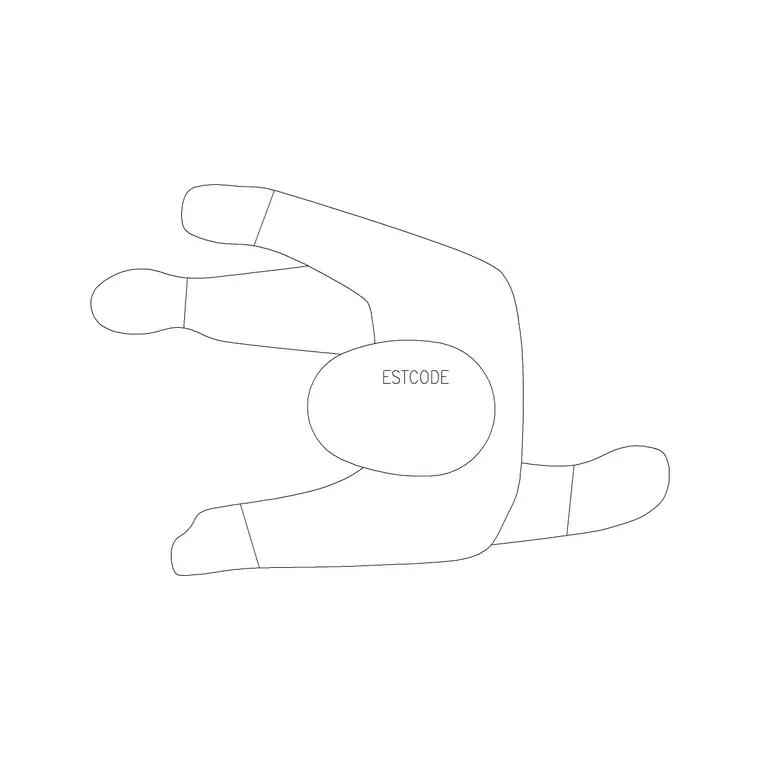
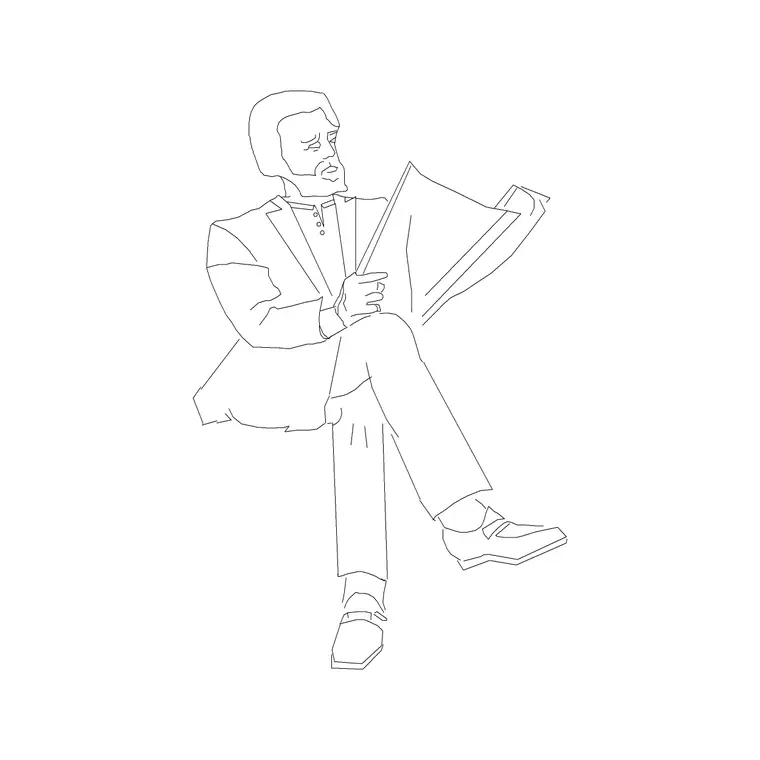
A reading-pose figure, seated with a book or a relaxed posture, is one of the most effective single blocks for signaling that a bench or a shaded seating nook is a genuinely pleasant place to spend time, and it does more of that storytelling work than a plain seated figure with no activity implied, because it's specific rather than generic. Place these figures at shaded benches, at quiet garden nooks away from the main circulation, and near any water feature or planting bed that's meant to read as a contemplative spot rather than a high traffic zone, since a reading figure parked in the middle of a busy path actually reads as odd rather than peaceful.
Orientation matters for a reading figure specifically, since a figure seated and angled to actually face out toward a view, a pond, an open lawn, planting, rather than facing back into the path or a blank wall, sells the idea that the seating placement itself was designed with that view in mind, which is a detail landscape architects reviewing the plan tend to notice and appreciate even if they can't immediately articulate why one bench placement feels more considered than another.
Exercising figures and where they belong
An exercising figure, whether it's shown mid stretch, at an outdoor fitness station, or in a running stance, belongs along the fitness trail loop itself, at outdoor gym equipment if the park includes it, and at the start or turnaround points of a running path, since these are the spots where the design is specifically trying to demonstrate the fitness use case to a client or a parks department reviewer. A couple of exercising figures spaced along the loop, rather than clustered all at one point, does a better job of showing the trail actually gets used along its full length rather than just at the trailhead.
Where the park plan includes named outdoor gym stations, pull ups, a leg press unit, a stretching bar, matching the figure's implied activity to the actual equipment at that specific station, rather than using the same generic exercising pose at every station, adds a level of specificity that makes the fitness zone read as genuinely planned around real equipment rather than populated with a single stock figure copied across the whole area, even though from a pure geometry standpoint the difference might be subtle.
Balancing activity poses with general park entourage
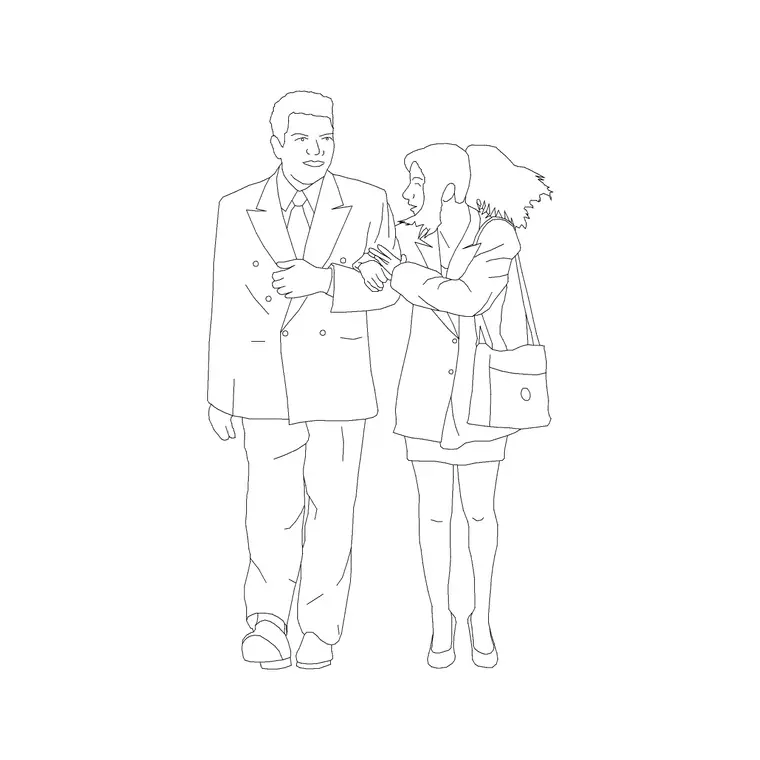
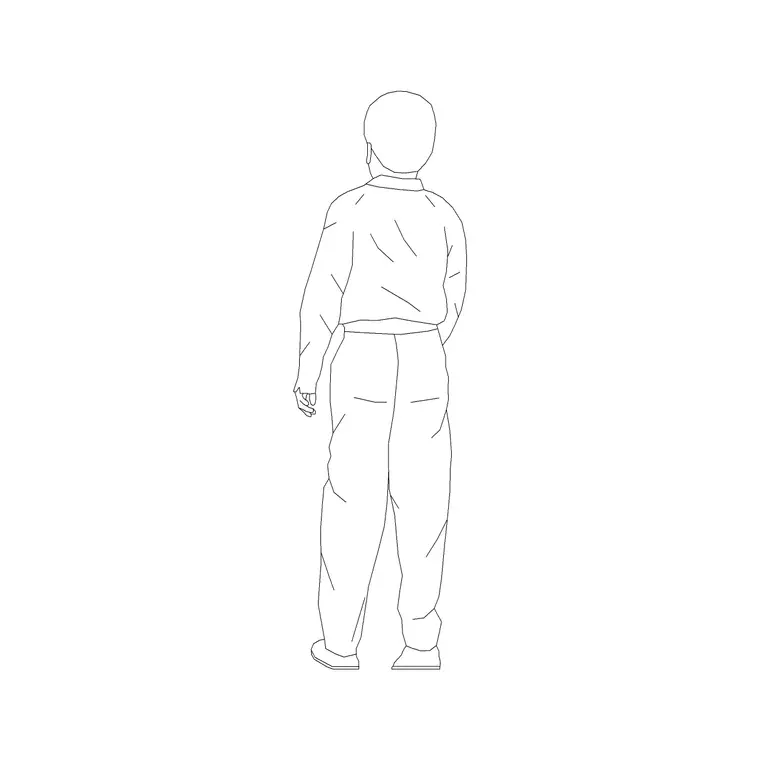
The catch here is that a park plan built entirely out of reading and exercising figures starts to feel like a stock catalog of activities rather than a believable place, so I'd fold in the general people entourage too, standing figures from human-figure-plan-1 along main paths, a couple or family group, couple, couple-human-figure or a pairing with kid-1, near a picnic area or open lawn, so the activity-specific figures read as highlights within a broader, more ordinary crowd rather than the entire population of the park.
Placement along the trail itself
For a fitness trail specifically, I like to space activity figures unevenly rather than at a perfectly regular interval, a jogger near the start, a stretching figure at a mid-loop fitness station, another jogger further along, since evenly spaced repeated figures along a path is one of the fastest ways to make a plan look like a template rather than a real design response to the site. Vary the orientation too, figures facing different directions along the loop rather than all pointed the same way, which reads as more natural given that a real trail has people moving in both directions at once.
If the brief or the site conditions suggest the trail sees a range of users beyond just fitness focused joggers, working in a family group or a couple at a slower pace along one stretch of the loop, alongside the jogging and stretching figures, broadens the story the plan tells about who actually uses the space, which matters if the project is being pitched partly on community usage rather than fitness programming alone.
Practical notes on scale and insertion
These figures insert the same way as the rest of the people category, INSERT command, scale at 1 assuming your drawing units match the block's native units, placed on a dedicated landscape entourage layer separate from any building interior entourage on the same sheet. Because outdoor plans are often printed at a smaller scale than interior floor plans, it's worth zooming to actual plot scale after placing figures to make sure they're still legible and proportionate at the final print size, since a figure that reads fine at full screen zoom can disappear or look wrong once the sheet is actually plotted.
Where these figures live on the site
The people library groups activity and general figures together in one People category rather than splitting them across separate sections, and each product page notes the view, plan or elevation, along with format, DWG with DXF file format available on many listings, and an approximate file size, so you know exactly what you're downloading before it lands in a landscape architecture drawing. Every block is free to download with no signup and licensed for commercial use, which covers a paid parks department submission or a private developer's green space pitch equally well.
For a full trail or park plan, I'd start with human-figure-plan-1 for general circulation, human-figure-sitting-1 for benches, and couple or kid-1 for family groupings on open lawn, then add whatever activity-specific figures the library offers for the fitness stations along the loop, saving the whole set into one landscape reference file you can reuse the next time a similar brief comes across your desk.
Further reading
Questions
Frequently asked
Where should a reading figure be placed on a park plan?+
At a shaded bench, a quiet garden nook, or near a water feature meant to read as a contemplative spot, away from the busiest circulation paths where it would look out of place.
How many exercising figures does a fitness trail need?+
There's no fixed count, but spacing a few unevenly along the loop, rather than clustering them all at the trailhead, does a better job of showing the whole trail gets used.
Should a fitness trail plan include general entourage too, or just activity figures?+
Both, folding in standing, sitting and family figures alongside the activity-specific ones keeps the park from reading like a stock catalog of exercises rather than a believable place.
Free downloads from this article
Free CAD block library
Download the blocks from this article — free, no signup