Large mature vs small ornamental tree blocks for a masterplan
Scaling large mature tree blocks against small ornamental ones on a masterplan, with realistic size tiers and layer strategy.
Sumana KumarUpdated 11 May 20266 min read
The scaling problem gets bigger at masterplan scale
On a single lot planting plan a scaling mistake with a tree block is annoying, but on a masterplan covering several hectares or a whole neighborhood phase, a scaling mistake on your tree blocks multiplies across hundreds of instances and can genuinely mislead a review body about how much green canopy the scheme is actually proposing. I've worked on masterplans where the difference between using a correctly scaled large mature tree block and an oversized small ornamental one, repeated across an entire boulevard, changed the visual read of canopy coverage enough that it would have affected how a planning committee assessed the landscape strategy, so this isn't just a drafting nicety at that scale, it's something the whole planning narrative can hinge on.
Setting up size tiers before you place anything
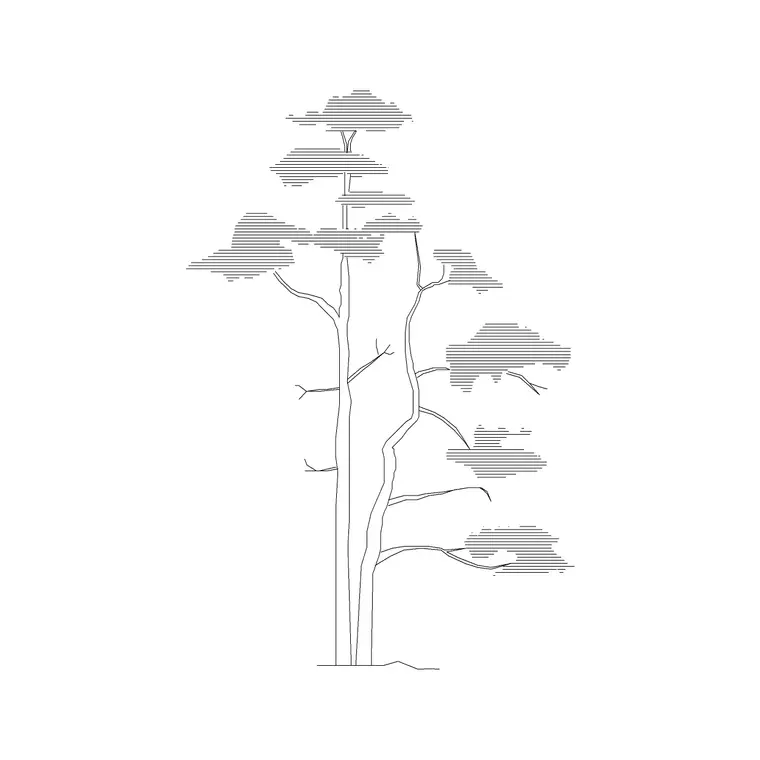
The fix I use on every masterplan is to define size tiers up front, before placing a single tree, usually three or four tiers, something like small ornamental in the 3 to 5 meter mature canopy range, medium shade tree in the 6 to 10 meter range, large canopy shade tree in the 10 to 15 meter range, and a specimen or heritage class tree above that, sometimes reaching 15 to 20 meters or more for a genuinely large mature species. Each tier gets its own correctly scaled block variant saved and ready to insert, so instead of eyeballing size on every single placement across a large site, you're choosing from a pre scaled kit of parts that already matches your planting schedule's size categories, which is both faster and far more consistent across a drawing that might have five or six people working on different sheets of the same masterplan.
Where each tier actually belongs on the plan
Small ornamental trees typically go near building entrances, courtyards, and tighter urban spaces where a large canopy would eventually conflict with facades or overhead services, and they're also the right choice for accent placement where the design wants a specimen that draws the eye without dominating the space the way a large shade tree would. Medium and large shade trees are the workhorses of a masterplan's public realm, street trees along boulevards, canopy trees in parks and open space, and anywhere the landscape strategy is explicitly counting on tree canopy for shade, stormwater interception, or urban heat mitigation, which is increasingly something masterplans need to demonstrate quantitatively rather than just show decoratively. Specimen or heritage class trees are usually reserved for a small number of focal points, a central plaza or a gateway feature, precisely because their scale reads as important and you don't want to dilute that by scattering them everywhere.
Practical block management across a big drawing
For a masterplan this size, I keep tree blocks organized by tier on separate layers, L-TREE-SMALL, L-TREE-MED, L-TREE-LARGE, L-TREE-SPECIMEN, which makes it trivial to run a quick count of how many of each tier are on the plan using a selection filter, a number that often needs to get reported directly in a landscape strategy document or a canopy coverage calculation. It also means if a review comment comes back asking to reduce the specimen tree count or add more medium shade trees along a particular street, you can isolate exactly that layer, make the change, and know you haven't accidentally touched anything else on an otherwise dense drawing.
Running PURGE periodically on a masterplan file that's had tree blocks inserted, copied, and arrayed by multiple people over months is worth doing too, since duplicate or slightly varied block definitions of what should be the same tree tier tend to accumulate on long running projects and bloat the file without adding anything useful. It's also worth naming your saved tier blocks with a version tag, TREE-LARGE-v2 for instance, rather than silently editing the block definition in place partway through a long project, since a masterplan with multiple contributors can easily end up with two people's copies of what's supposed to be the same tier drifting slightly out of sync in size or appearance if the block gets redefined without everyone reinserting from the updated source.
Root zones and underground conflicts large trees create at scale
A mistake that's easy to make when you're placing hundreds of tree symbols quickly across a masterplan is treating the tree block as a purely visual canopy marker and forgetting that a large or specimen class tree has a root zone that needs to be checked against underground services just as carefully as the canopy needs checking against overhead lines and building facades. A mature shade tree's root spread commonly extends out to somewhere near the canopy's own drip line, sometimes further for certain species, and that zone regularly overlaps with a stormwater line, a sewer connection, or a buried electrical duct bank on a large site with a lot of underground infrastructure packed into the public realm. On any masterplan where I'm placing a real quantity of large or specimen tier trees along a street or over a utility corridor, I run a rough visual check of the tree layer against the utilities layer before the drawing goes to review, since a tree symbol that looks perfectly placed on a landscape sheet can turn out to be sitting directly over a main that a utility company won't allow within several meters, and catching that early is far cheaper than catching it during construction when a tree has to be relocated or a utility rerouted.
Phasing tree planting across a multi year masterplan
Large masterplans are rarely built in one pass, they're phased over several years, sometimes a decade or more for a big mixed use scheme, and that timeline has a direct effect on how you should be thinking about tree size tiers, since trees planted in an early phase will have had years to mature by the time a later phase is planted, meaning a masterplan drawing showing the full build out condition often needs to show earlier phase trees at a larger, more mature scale than later phase trees even if the exact same species and planting size was specified for both. Getting this phasing logic into your tree block sizing is a genuinely advanced move, but on a masterplan where the drawing set includes phase specific sheets, it's worth at minimum having size tiers that correspond not just to species class but to how many growing seasons that particular area of the site will have had by the target completion date shown on that sheet.
Even if your specific project doesn't need that level of phasing detail, it's worth keeping phase boundaries and tree layers cleanly separated, L-TREE-PHASE1, L-TREE-PHASE2 and so on, so that if a later review does ask for a phase specific canopy coverage calculation, you're not stuck untangling which trees belong to which phase from a single flat, unphased planting layer.
Cross checking against the planting schedule
Whatever tier system you land on, it should map directly onto the actual planting schedule the landscape architect is maintaining, species names, mature sizes, and quantities, rather than being an independent drafting convention that only exists in the CAD file. At the end of the day a masterplan tree block is standing in for a real planting commitment that a client, a contractor, and a planning authority are all going to hold the design to, so keeping your size tiers, your block scaling, and the written schedule in agreement isn't just good practice, it's what keeps the drawing defensible when someone starts asking detailed questions about canopy coverage percentages or total proposed tree count across the site.
Further reading
Questions
Frequently asked
What canopy size range counts as a small ornamental tree on a masterplan?+
Commonly the 3 to 5 meter mature canopy range, used for accent placement near entrances and courtyards where a larger canopy would eventually conflict with buildings or services.
How large can a specimen or heritage class tree block be scaled?+
Specimen and heritage class trees can reach 15 to 20 meters or more in mature canopy depending on species, and they're typically reserved for a small number of focal points rather than repeated widely across a plan.
Why set up tree size tiers before placing blocks on a masterplan?+
Pre scaling a kit of tree blocks by tier, small, medium, large, specimen, keeps sizing consistent across a large drawing worked on by multiple people and makes canopy coverage counts and review revisions much faster to manage.
Free downloads from this article
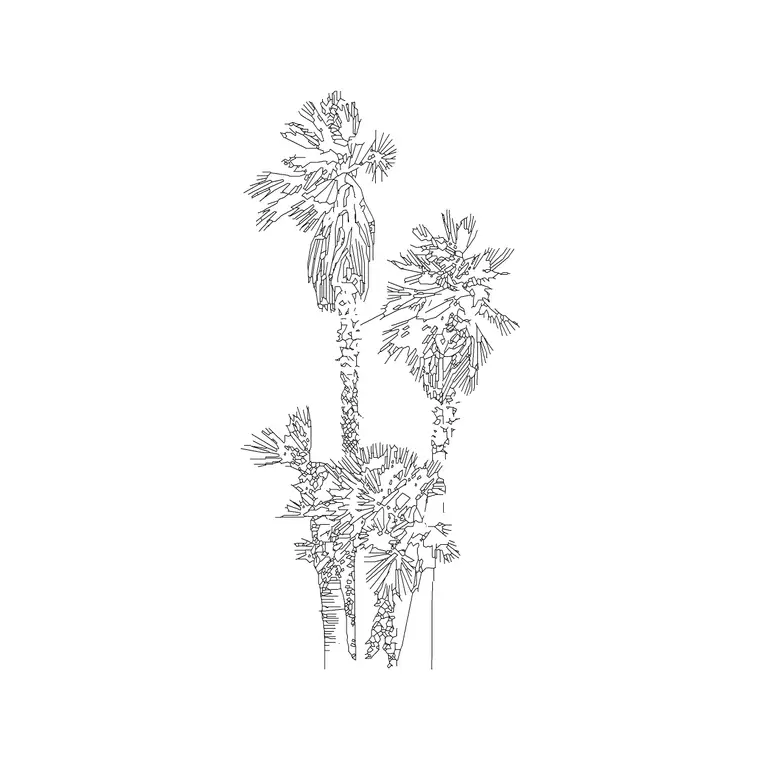
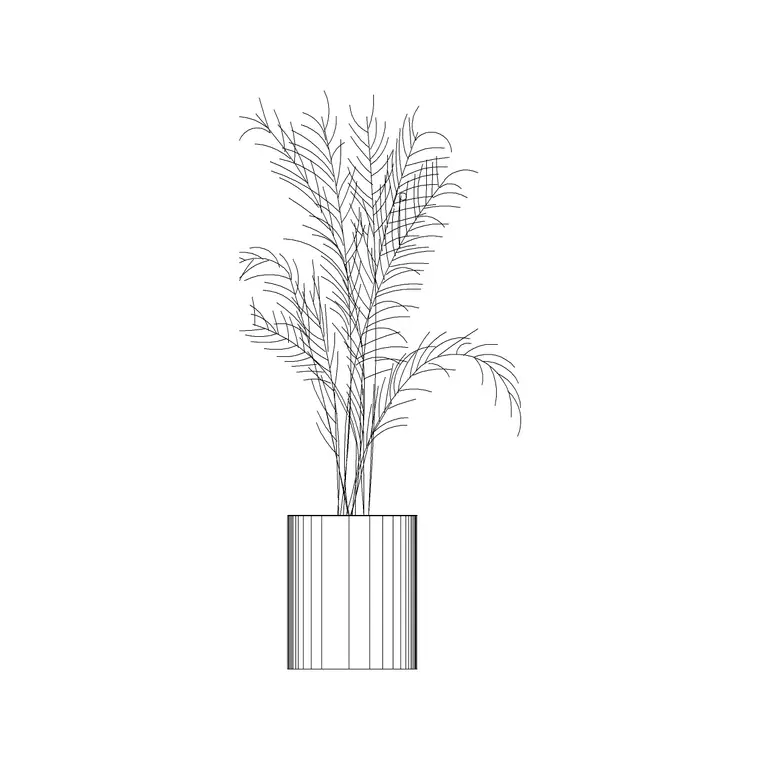
Free CAD block library
Download the blocks from this article — free, no signup