Lounge chair vs accent chair blocks for furnishing a reading nook
Choosing between a lounge chair and an accent chair CAD block when you're drawing up a small reading nook, and how footprint and comfort trade off.
Sumana KumarUpdated 10 May 20265 min read
The corner that never seems to plan itself
Reading nooks are a deceptively fussy little furnishing problem, because the whole point of the space is to feel generous and relaxed even though most of the corners clients want to turn into one are genuinely small, an awkward bay window, a leftover triangle next to a staircase, a bit of floor by a bookshelf that's otherwise dead space. I've drawn a lot of these over the years and the chair choice, lounge chair versus accent chair, ends up being the decision that makes or breaks whether the corner actually reads as a nook or just as a chair someone shoved into a gap.
The two block types solve for slightly different things, so let's actually pull them apart.
What a lounge chair is built to do
A lounge chair is designed around actual settling in, a deeper seat, a reclined or relaxed back angle, sometimes a wider footprint to accommodate someone curling their legs up sideways, which is exactly the posture most people want in a reading nook. Lounge chair footprints typically run larger than a standard occasional chair, often somewhere around 800 to 950 millimetres wide and 800 to 900 millimetres deep, sometimes paired with a matching ottoman that adds another 500 to 600 millimetres of depth if the client wants feet-up seating.
That generosity is the whole appeal, but it's also the constraint, a proper lounge chair needs genuine floor area to work, and cramming one into a corner that's really only 1000 millimetres square is going to look and feel wrong no matter how nice the render is.
What an accent chair gives you instead
An accent chair is a smaller, more upright piece, often chosen as much for its visual punch, a bold fabric, an interesting silhouette, as for how long someone's actually going to sit in it. Footprints run noticeably tighter, typically 600 to 750 millimetres wide and 600 to 700 millimetres deep, which is a meaningful difference when you're trying to fit a chair into a genuinely small footprint like a bay window seat or a narrow gap beside a bookshelf.
The tradeoff is comfort for longer sits, an accent chair's more upright posture and shallower seat depth aren't built for someone who wants to curl up with a book for two hours, but for a smaller nook or a secondary reading spot rather than the primary lounging chair in the house, that tradeoff is usually the right one.
Matching the chair to the actual footprint you have
Before picking a block, I always measure the actual available floor area in the nook first, because that number decides the category more reliably than any style preference. If you've genuinely got 1200 millimetres or more of clear depth to work with beyond just the chair's footprint, meaning space for someone to actually walk up to and settle into the chair without brushing a wall, a lounge chair is worth pursuing. Under that, and especially in anything closer to a window seat width, an accent chair is almost always the more realistic choice, and honestly it often looks more intentional in a tight space than a lounge chair that's clearly been squeezed in.
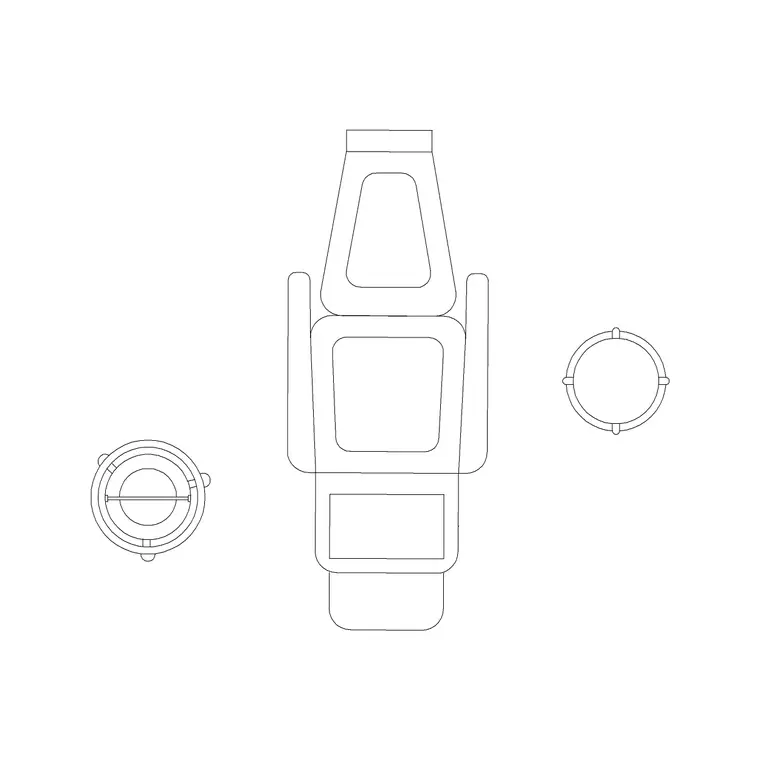
The recliner block on the site, drawn as a top view, is also worth checking as a reference footprint even outside a strictly medical or clinical context, since its plan view illustrates how much floor area a reclining mechanism actually eats up, useful context even if you end up specifying a different reclining lounge chair product for the room.
Lighting and clearance around the chair
A reading nook lives or dies on the light next to the chair as much as the chair itself, so once you've picked the footprint, leave clearance for a floor lamp or a side table, typically another 400 to 500 millimetres of floor area beside the chair, and check that the arm height of whichever chair you've picked, generally 550 to 650 millimetres for a lounge chair, lines up reasonably with a side table height so a drink or a book has somewhere sensible to land.
Don't forget headroom either if the nook sits under a stair or a sloped ceiling, since a lounge chair's higher back can bump a low ceiling in a way an accent chair's shorter back won't.
Bringing it together on the plan
Insert your chosen chair block at true scale, measure the actual clear floor area around it including the walking path to reach it, and resist the urge to specify a lounge chair just because it photographs better on a mood board if the room genuinely can't fit one. At the end of the day, a smaller accent chair that actually fits comfortably will always read better in the finished space than a lounge chair that's technically in the room but leaves no room to actually walk up and sit in it.
Upholstery choices for a corner that gets daily use
A reading nook chair, whichever category you land on, gets sat in more consistently than a lot of other living room seating, so it's worth steering the client's fabric or material choice with that daily use in mind rather than purely on colour and pattern. A tightly woven, medium weight upholstery holds up better to repeated sitting and the odd dropped mug of tea than a delicate or loosely woven fabric, and if the nook sits near a window, as reading nooks so often do, factor in fade resistance too, since direct sun on the same patch of fabric for years will noticeably shift the colour of a cheaper material long before the frame itself wears out.
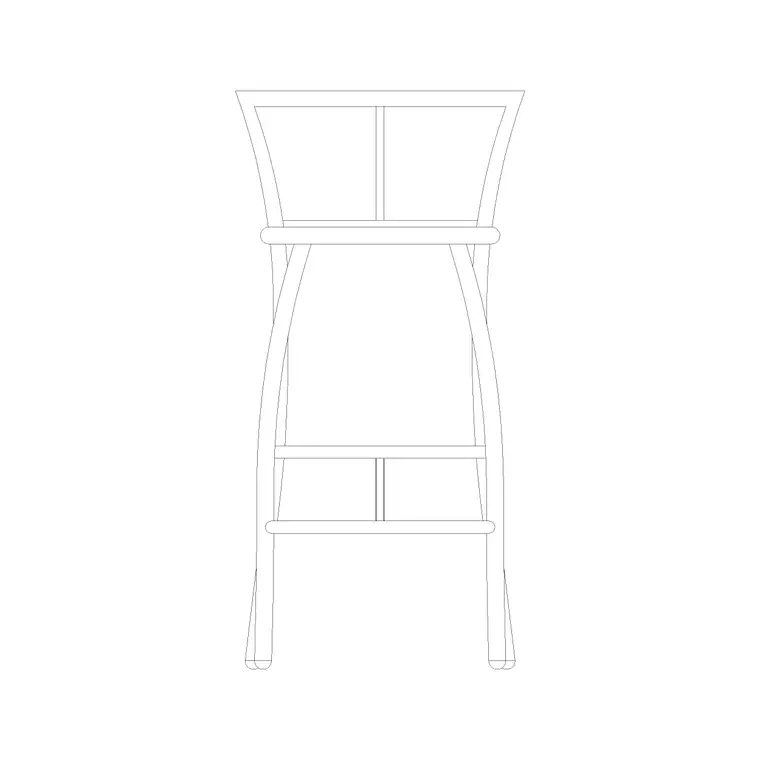
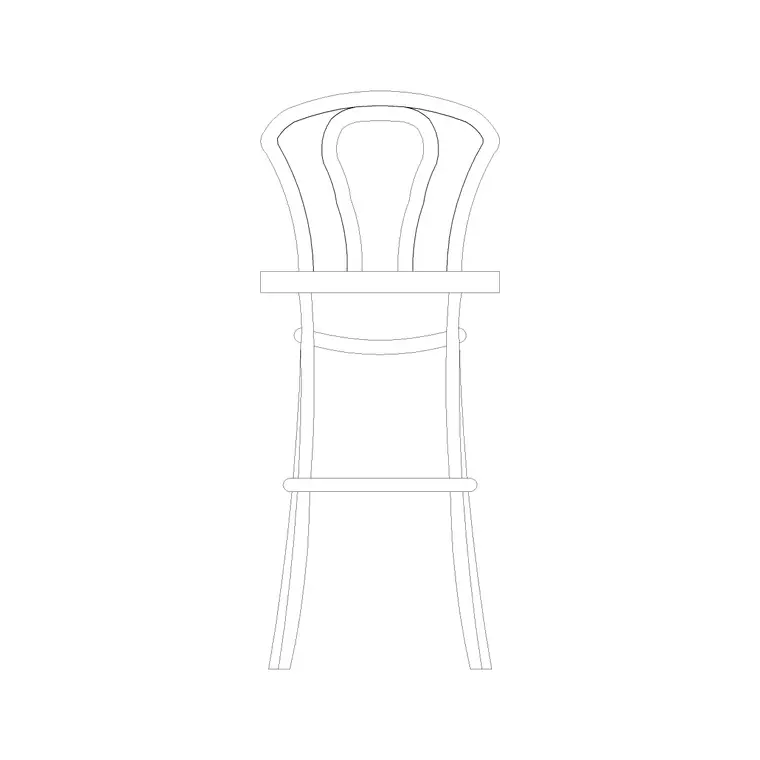
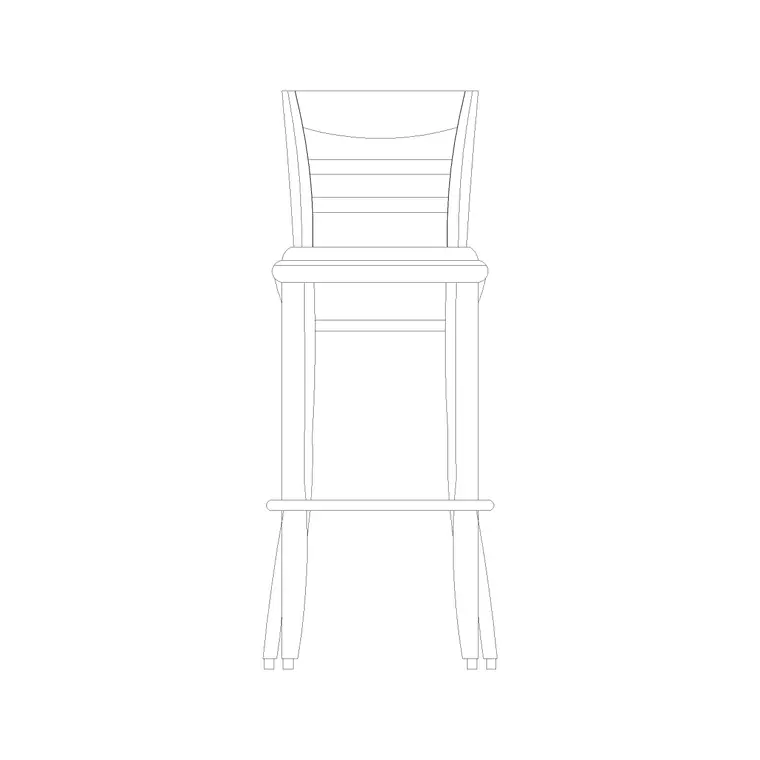
If the corner is genuinely tiny, under about 900 millimetres in one direction, it's also worth checking whether a stool, like the wooden bar stool or a similar compact block on the site, might actually serve the space better than any chair at all, a perch beside a low bookshelf with a reading lamp works in footprints that no armchair, however small, will ever fit into comfortably. Whatever you land on, walk the finished plan mentally with the client's actual reading habits in mind, curled up sideways, feet up on an ottoman, or upright with a coffee, since that posture is really what's deciding the chair category more than the room's dimensions alone.
Further reading
Questions
Frequently asked
How much floor area does a lounge chair need for a reading nook?+
Beyond the chair's own footprint of roughly 800 to 950 millimetres wide, plan for at least 1200 millimetres of total clear depth so there's room to walk up to and settle into the chair comfortably.
Is an accent chair less comfortable than a lounge chair?+
Generally yes for long sits, since accent chairs have a more upright posture and shallower seat, but for a smaller nook or a secondary reading spot the tighter footprint is often the more practical choice.
Can I use the recliner block for a reading nook chair?+
The recliner top view block is a useful footprint reference for how much floor area a reclining mechanism needs, even outside its usual medical context, though you'd typically specify a residential reclining lounge chair product for a home reading nook.
Free downloads from this article
Free CAD block library
Download the blocks from this article — free, no signup