Version control basics for a growing CAD block library
How to apply basic version control principles to a shared CAD block library so changes stay traceable as the library grows.
Saumyajit MaityUpdated 6 April 20266 min read
CAD blocks do not get the version control software developers take for granted
Software teams have had proper version control for decades at this point, every change tracked, every previous state recoverable, a clear record of who changed what and when. CAD block libraries almost never get this, most offices are still just a shared folder with files getting overwritten in place, which means the moment someone makes a bad edit, and it will happen eventually, there is no clean way to see what changed or roll it back without digging through cloud sync history or a backup, if either one happens to still cover that window.
You do not need a full software style version control system to fix this, right, you need a handful of disciplined habits borrowed from that world, applied at whatever scale actually fits a block library rather than a codebase.
Numbered versions beat overwrite in place
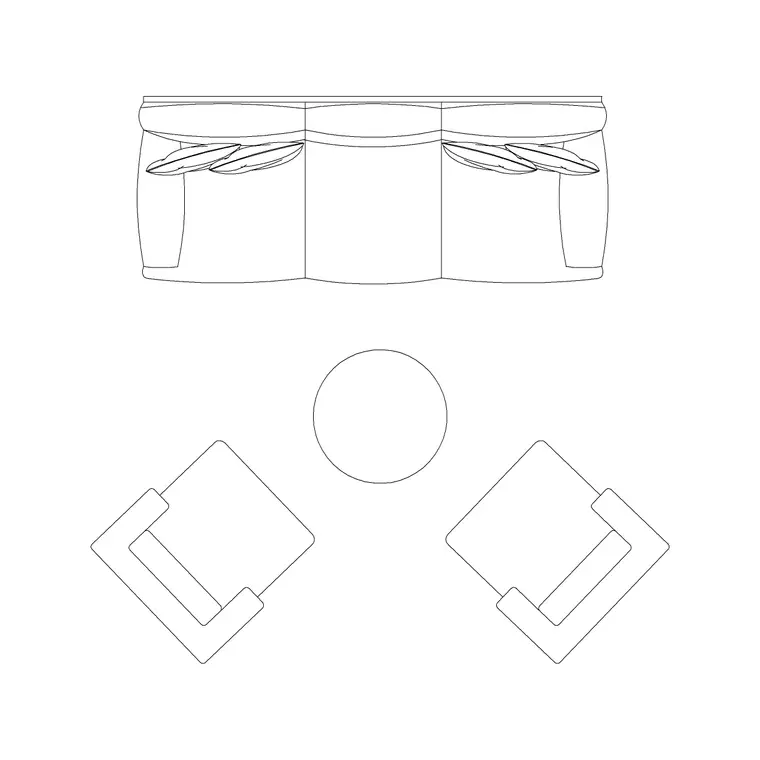
The single biggest shift is refusing to silently overwrite a block file when it changes meaningfully, instead saving the new version alongside the old one with a version number in the name, following the same naming convention covered in a separate post, FUR-SOFA-PLAN-v1 sitting next to FUR-SOFA-PLAN-v2 rather than v2 simply replacing v1 in place with no trace it ever existed. This costs a small amount of extra disk space, DWG files for individual furniture and fixture blocks are typically small, often well under a megabyte each, so keeping two or three generations of a block around is a trivial storage cost against the ability to see and recover prior states.
Only bump the version for a change that actually matters, geometry, scale, or layer structure, not a trivial edit, otherwise the version number stops carrying useful information and you are back to the same clutter problem in a different form.
A naming detail worth deciding upfront is where the version number sits in the file name, trailing it at the very end, FUR-SOFA-PLAN-v2 rather than burying it in the middle, keeps folder sorting sensible and makes it obvious at a glance in DesignCenter's thumbnail view which generation you are looking at without needing to open the file properties. I have seen offices bury the version marker as a suffix after other descriptive text instead, which technically works but makes alphabetical sorting far less useful the moment a category has more than a handful of versioned entries sitting in the same folder.
Keep a changelog, even a simple one
A plain text or spreadsheet changelog at the root of the library, one line per change, date, who made it, which block, and why, turns an untraceable folder into something you can actually reason about six months later. This does not need to be elaborate, I have seen a single shared Google Sheet do this job perfectly well for offices well past a thousand blocks, the value is not in the tooling, it is in the habit of writing one line every time something changes rather than trusting memory.
The payoff shows up exactly when you need it least expectedly, a client calls asking why a fixture in a drawing from eight months ago does not match what is in the current library, and instead of guessing, you can check the changelog and give a real answer.
I also log the block's approximate dimension alongside the change itself when it is a scale correction specifically, noting something like corrected width from roughly 2050mm to 2100mm to match current furniture schedule, rather than just noting scale fixed, since a bare note like that gives whoever is reading the changelog months later nothing to actually verify against if they are trying to confirm whether an older drawing needs updating.
Archive old versions instead of deleting them
Move superseded versions into a dated archive subfolder rather than deleting them outright, since an old project that was built against v1 of a block sometimes genuinely needs that exact v1 geometry to stay internally consistent if it ever gets reopened for a revision. I keep archived versions for at least a couple of years past their last known use in an active project, storage is cheap enough that this is rarely a real constraint, and the alternative, needing an old version that was permanently deleted, is a much worse position to be in.
When a library is big enough to justify real software
For larger firms with a genuinely large shared library and several people who need to propose changes regularly, it is worth looking at an actual version control system, some CAD specific data management tools support this natively, or even a general purpose system like Git configured for binary files, though Git's diffing strengths are largely wasted on binary DWG content so the benefit there is really just structured history and rollback rather than meaningful diffs. For most single office setups though, the simple discipline of numbered versions, a changelog, and a single owner gets you most of the practical benefit without adopting a whole new toolchain that nobody outside the library owner will actually use consistently.
Tie version discipline back into the wider audit habit
Version control and the periodic audit process covered in a separate post reinforce each other well, the changelog gives the person running an audit a head start on what changed recently and why, rather than starting from a blank slate every quarter, and a good audit occasionally catches a version bump that never got logged, which is a useful prompt to tighten the habit. Neither one replaces the other, the changelog is the ongoing record and the audit is the periodic check that the record actually matches reality, and offices that keep both running together tend to have the cleanest, most trustworthy shared libraries I come across.
On one office cleanup, a sofa block had gone through four unlogged revisions over about two years, different arm styles, a scale correction, and a layer fix, all saved over the same file name each time. Nobody could say with confidence which drawings from which years actually matched the current geometry, which meant a furniture schedule pulled from an older drawing risked disagreeing with a fresh one built off the current block for no reason anyone could explain. Once we introduced numbered versions and a changelog, that kind of silent drift became visible and traceable going forward, and reconstructing the actual history of that one sofa block, purely from memory and old project files, took most of an afternoon that a running changelog would have made instant.
Further reading
Questions
Frequently asked
Do I need real version control software for a CAD block library?+
For most single office setups, no, numbered file versions, a simple changelog, and a single owner controlling changes cover most of the practical benefit without adopting dedicated version control tooling.
Should old block versions be deleted once a new one is ready?+
Archive them into a dated subfolder instead of deleting, an old project built against a prior version sometimes needs that exact geometry if it is reopened for a revision later.
What should a block library changelog actually record?+
Date, who made the change, which block was affected, and a short reason, a single line per entry is enough, the value is in the habit of logging every change rather than the format itself.
Free downloads from this article


Free CAD block library
Download the blocks from this article — free, no signup