Top staircase CAD blocks every architect needs
Straight, spiral and circular stairs — the staircase blocks to download free, the rise and going to check, and how to place a stair in plan and section.
Sumana KumarUpdated 29 April 20264 min read

Stairs are geometry you should not redraw
A staircase is one of the fiddlier things to draw correctly from scratch — the rise and going have to be consistent, the number of treads has to suit the floor-to-floor height, the going has to fit the available run, and the whole thing has to read in both plan and section. That precision is exactly why a downloaded staircase block is worth having: a stair that is already drawn to a sensible rise and going gives you a correct starting point you can adapt, instead of working the geometry out by hand every time a stair appears in a project.
This post is the staircase kit an architect should keep on hand: straight flights, dog-leg and half-landing stairs, spiral and circular stairs, in plan and where possible section. Everything is in the Stairs category on cadblockdwg.com, free in DWG with no signup and free for commercial use.
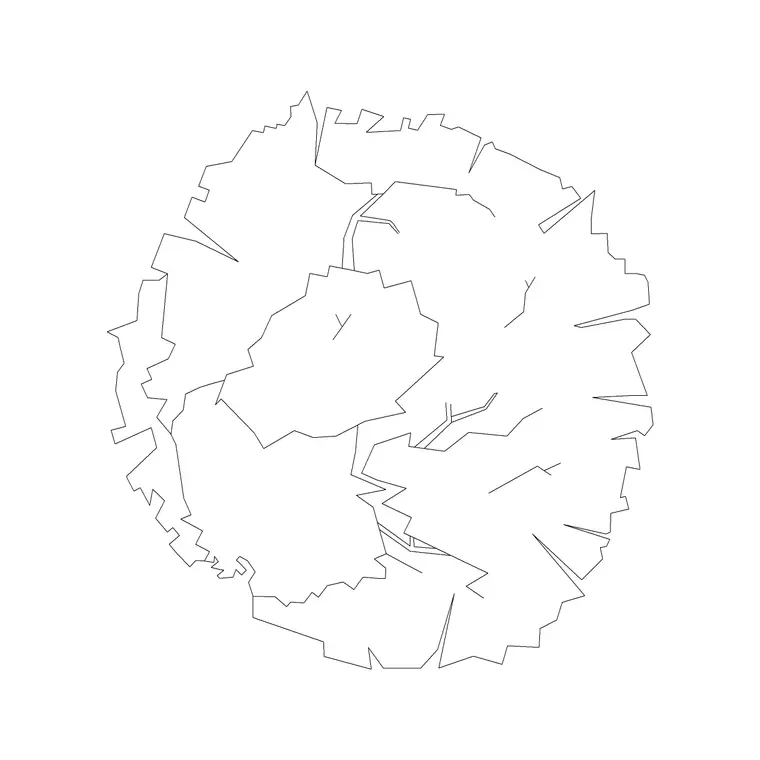
The Circular Stairs Type 1 block is a ready circular stair for tight or feature locations; pair it with straight-flight blocks from the same category for the everyday cases. A circular stair in particular is tedious and error-prone to construct by hand — the radiating treads and central column have to be set out precisely — so having one as a trusted block turns a half-hour drawing job into a single insertion you adapt to the opening.
Rise, going and the numbers to check
Every staircase block stands or falls on its rise and going, so check them before you trust one. A comfortable rise — the height of each step — is around 175 to 190mm for most buildings, with a going — the horizontal tread depth — of about 250mm or more; the two are linked, so a steeper rise pairs with a shallower going and vice versa. These are not arbitrary numbers; they are what makes a stair safe and comfortable to climb, and a block that ignores them is a block to fix or discard.
Multiply the rise by the number of treads and it should equal your floor-to-floor height — if it does not, the block is drawn for a different storey height and needs adapting by adding or removing treads. This single check catches the most common staircase error: a stair that simply does not reach the next floor.
The going multiplied by the number of treads gives the run length the stair occupies in plan, which has to fit the space available. When you place a downloaded stair, confirm these numbers against your project: count the treads, measure a rise and a going, and check the total run. A stair block built for a 2700mm floor-to-floor will not suit a 3200mm one without adding treads, and catching that on the plan is far cheaper than discovering it when the headroom fails on site.
Plan and section — both views matter
A staircase has to be drawn in two views that work together. In plan, the stair shows the treads, the direction arrow and the up/down annotation, with a break line where the flight is cut by the floor above. In section, the stair reveals what the plan cannot — the rise and going in profile, the headroom under the flight, and how the stair connects the two levels. For a construction-level drawing you genuinely need the section, because that is where headroom and geometry are proven.
Keep both a plan stair block and, where available, a section stair in your kit, and make sure they describe the same stair — same number of treads, same rise and going. A plan and section that disagree about the number of steps is a drawing that will generate site queries at best and errors at worst.
Spiral and circular stairs like the Circular Stairs Type 1 are especially worth having pre-drawn for the reasons above, but the plan-plus-section discipline applies to every stair type. Place the plan version on the layout, coordinate it with the section, annotate the up/down direction clearly, and the stair reads correctly to anyone building from the set — which is the standard every staircase drawing should meet.
Place it, check headroom, and layer it
Insert the stair with the INSERT command at scale 1, since the block is drawn at real size, and snap its insertion point to the stairwell walls so the flight sits inside the structure rather than floating near it. Check the going direction and mirror the block if the stair needs to rise the other way. The most important post-placement check is headroom: trace where the flight above passes over the flight below and confirm the clear height — commonly a 2000mm minimum — is maintained, which the section is the place to verify.
Keep the staircase on an appropriate layer so it coordinates cleanly with the structure and can be shown or dimmed as the drawing needs. Blocks built on layer 0 inherit whichever layer you insert them onto, so set that layer current first.
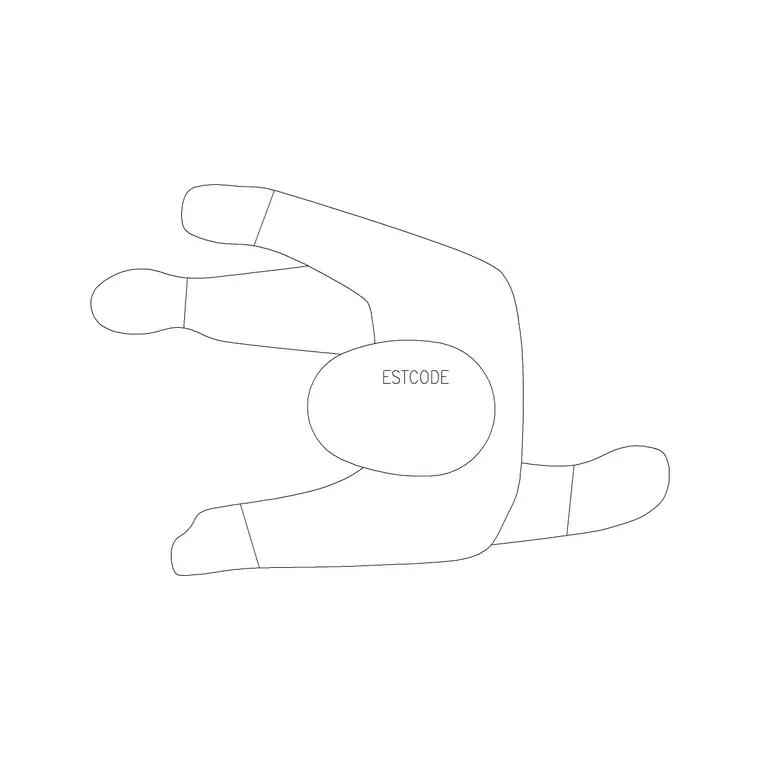
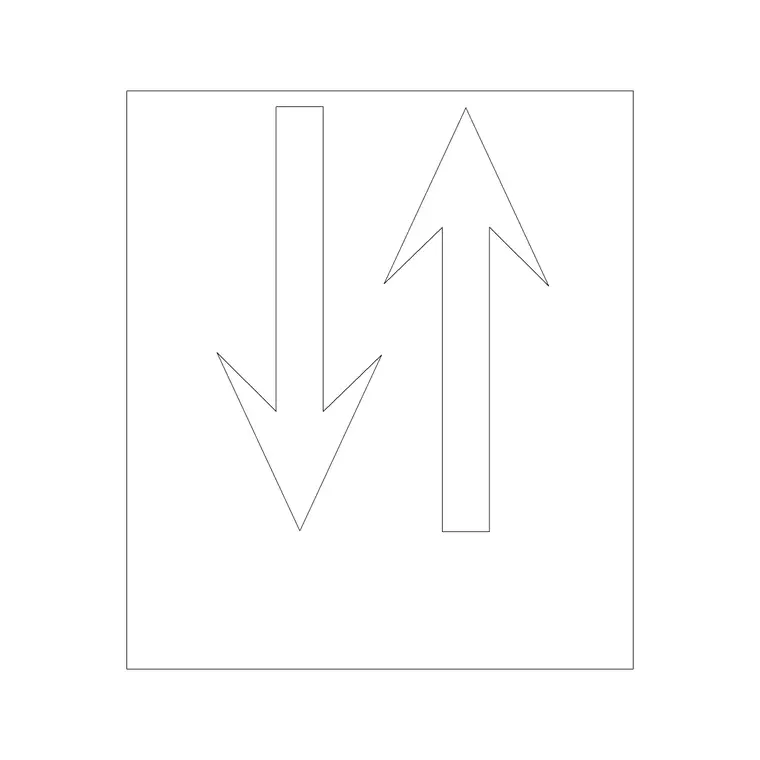
An up/down direction marker such as the Arrow block annotates the flight clearly on the plan, and a figure like the Human Figure Plan 1 block on a landing gives an instant sense of the stair's scale. A vetted set of straight, dog-leg and circular stair blocks, each with a known rise and going, lets you drop a correct stair into a plan in seconds and adapt it to the storey height — turning one of the trickiest pieces of geometry in the building into a quick, reliable insertion.
Questions
Frequently asked
What rise and going should I check on a staircase block?+
A comfortable rise is about 175–190mm and a going about 250mm or more. Multiply the rise by the number of treads — it should match your floor-to-floor height, or the block needs adapting.
Where can architects download free staircase blocks?+
The Stairs category on cadblockdwg.com has straight, dog-leg, spiral and circular staircases in plan and section as free DWG downloads, no signup, free for commercial use.
Why do I need a staircase block in section as well as plan?+
The section shows rise, going and headroom in profile, which the plan cannot. It is what proves the stair's clear height and geometry on a construction-level drawing.
Free downloads from this article
Free CAD block library
Download the blocks from this article — free, no signup