Building a bathroom plan in AutoCAD from free blocks
Draw a bathroom plan in AutoCAD using free DWG WC, basin and bath blocks: fixture clearances, the order to place sanitaryware, and the right layers.
Sumana KumarUpdated 28 June 20264 min read
Small room, tight tolerances
Bathrooms are the most clearance-sensitive rooms you will draw. The space is small, the fixtures are fixed to plumbing, and a few centimetres decide whether a door clears the basin or whether someone can actually sit on the WC. That is exactly why building the plan from accurate blocks beats freehanding it: the fixtures arrive at real size, so the clearances you see are the clearances you get.
Start with the room shell and, critically, the plumbing wall. The soil stack and supply runs usually want the WC and basin grouped on one wall, so identify that wet wall first. Mark the door and its swing — in a tight bathroom the door arc is often the single biggest constraint, and an inward-swinging door can sterilise a surprising amount of floor. With the shell, the wet wall and the door swing set, you are ready to place sanitaryware.
Download the sanitaryware blocks (free DWG)
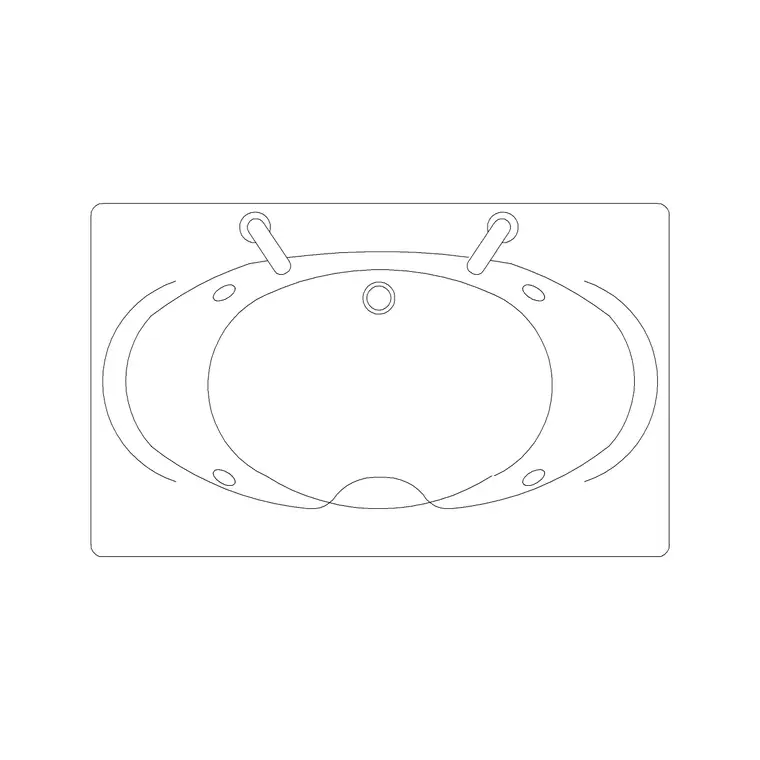
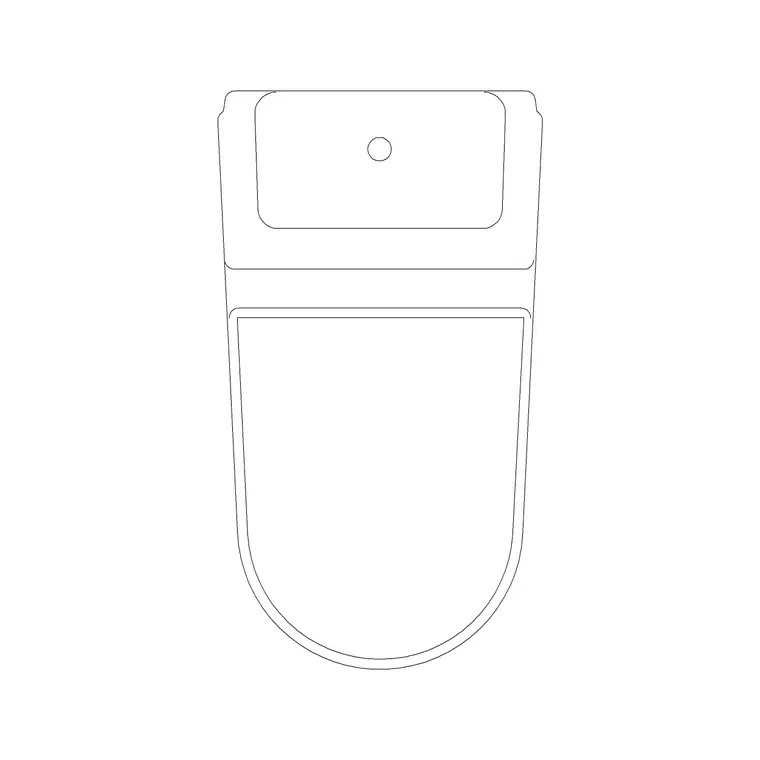
The Bathroom category on CADBlockDWG carries the WCs, basins, baths, showers and accessories you need, all free in DWG with no signup and free for commercial use. For the core three: a Toilet Commode block gives you a true WC footprint to set against the wet wall; a basin covers the wash zone; and for the tub, the Bath Oval Shape block provides a clean plan outline of a freestanding-style oval bath that reads instantly on a layout. If the scheme uses a vanity rather than a pedestal basin, a base Cabinet block from the Kitchen category doubles neatly as the vanity carcass beneath the basin — a 600mm-deep cabinet is exactly the footprint a vanity occupies — so you can show the storage and the basin together.
Grab a shower tray or enclosure too if the scheme is a shower room rather than a bathroom. Each download is a single small DWG holding the block — nothing to unpack. Because the licence is permissive, these go straight into client drawings. If you want elevation views for a tiling or joinery sheet later, check the same category for elevation versions of the fixtures so the vertical arrangement matches the plan you build here.
Place fixtures in plumbing order
Set your sanitaryware layer current and place the WC first, snapping its back to the wet wall with object snaps. Leave scale at 1 — these blocks are real-world size; if anything comes in oversized, fix INSUNITS rather than eyeballing a scale. Next set the basin, then the bath or shower, working along the plumbing wall so the runs stay short. Rotate each with ROTATE after placing so it faces into the room correctly.
The order matters because the WC is the least flexible fixture — it needs the soil connection and a generous activity zone — so it claims its spot first and the rest arrange around it. A vanity can shuffle along a wall; a bath can sometimes flip end-for-end; the WC mostly cannot. Lock it down, then fit the others. Keeping every fixture on the sanitaryware layer (ByLayer) means the whole suite can be dimmed or recoloured from one place when you compose the sheet.
Verify the activity zones
Each fixture needs a clear zone in front of it for use, and these are the gaps a bathroom lives or dies on. Allow a comfortable approach in front of the basin so someone can lean in to the mirror, a clear zone ahead of the WC so they can sit and stand without hitting the opposite wall, and an unobstructed entry to the bath or shower. Crucially, check that these activity zones do not overlap awkwardly and that the door swing does not collide with any of them.
Because the WC, basin and bath are accurate blocks, you can see overlaps immediately — the moment the door arc clips the basin zone, or the WC zone runs into the bath, it is visible on screen. Drag fixtures along the wet wall to resolve conflicts. In a tight room this is genuinely iterative, and that is the point: doing it with real blocks now, in minutes, is far better than discovering the clash on site.
Finish: tiling datum, layers and a clean sheet
Add the finishing context that turns sanitaryware into a bathroom plan. Show the wall thicknesses and any tiled splash zones on their own layer, and mark a floor drain if the room has one. If you are heading toward a setting-out sheet, drop a quick dimension string along the wet wall fixing the centreline of the WC and basin from a corner — those centrelines are what the plumber sets out from.
Keep sanitaryware, walls, tiling and dimensions on separate layers so you can issue a clean fixture plan or a fully dimensioned setting-out plan from the same file. A quick AUDIT and PURGE after importing several fixtures keeps the drawing tidy. With the wet wall identified, the WC placed first, the basin and bath fitted around it, and every activity zone checked against the door swing, an accurate bathroom plan comes together quickly — built entirely from free DWG fixtures.
Questions
Frequently asked
Where can I download free bathroom fixture blocks for AutoCAD?+
The Bathroom category on CADBlockDWG has WCs, basins, baths and showers — including a Bath Oval Shape and a Toilet Commode block — free in DWG with no signup and free for commercial use.
Which bathroom fixture should I place first?+
The WC. It is the least flexible because it needs the soil connection and a fixed activity zone, so set it against the plumbing wall first and arrange the basin and bath around it.
How do I check bathroom clearances in a plan?+
Because the blocks are at real size, place each fixture, then confirm the activity zone in front of it and the door swing do not overlap. Drag fixtures along the wet wall until the gaps read clear.
Free downloads from this article
Free CAD block library
Download the blocks from this article — free, no signup