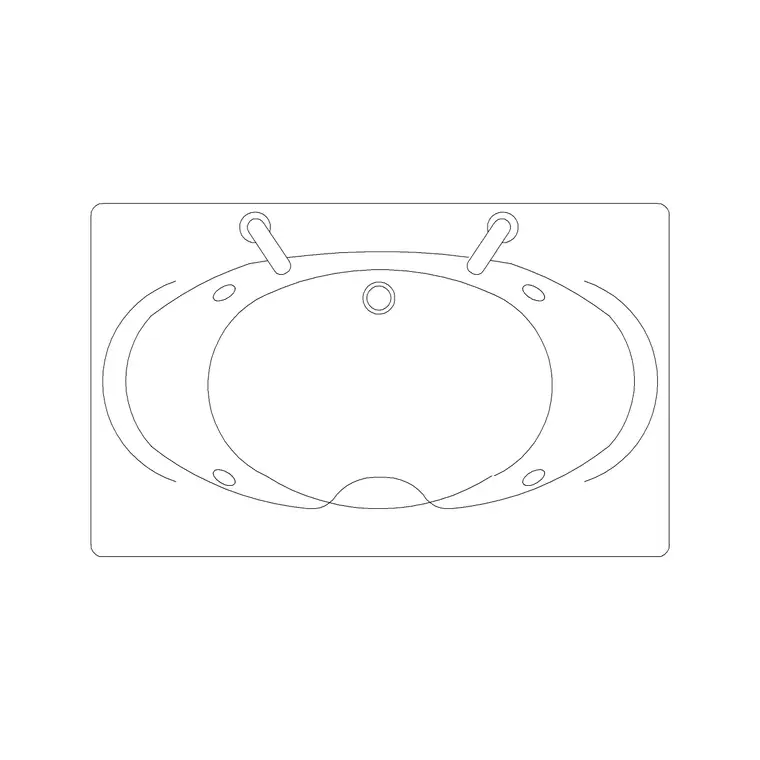
Top bathroom CAD blocks every plumbing draftsman needs
WCs, basins, baths and showers — the sanitary blocks a plumbing draftsman uses daily, where to download them free, the sizes to check, and how to set them out.
Sumana KumarUpdated 2 March 20264 min read
Fixtures first, pipes follow
A plumbing draftsman lives in the bathroom and the kitchen, and the bathroom is where the fixtures cluster tightest. Before any pipework can be set out, the sanitary fixtures have to land in the right place at the right size — the WC, the basin, the bath, the shower — because the drainage and supply follow the fixtures, not the other way round. Get the fixture layout right and the pipe runs almost design themselves; get a fixture size wrong and the whole stack of clearances and falls behind it goes with it.
This post is the sanitary kit a plumbing draftsman should keep downloaded: WCs in plan and side elevation, wash basins, baths and showers. Everything is in the Bathroom category on cadblockdwg.com, free in DWG with no signup and free for commercial use.
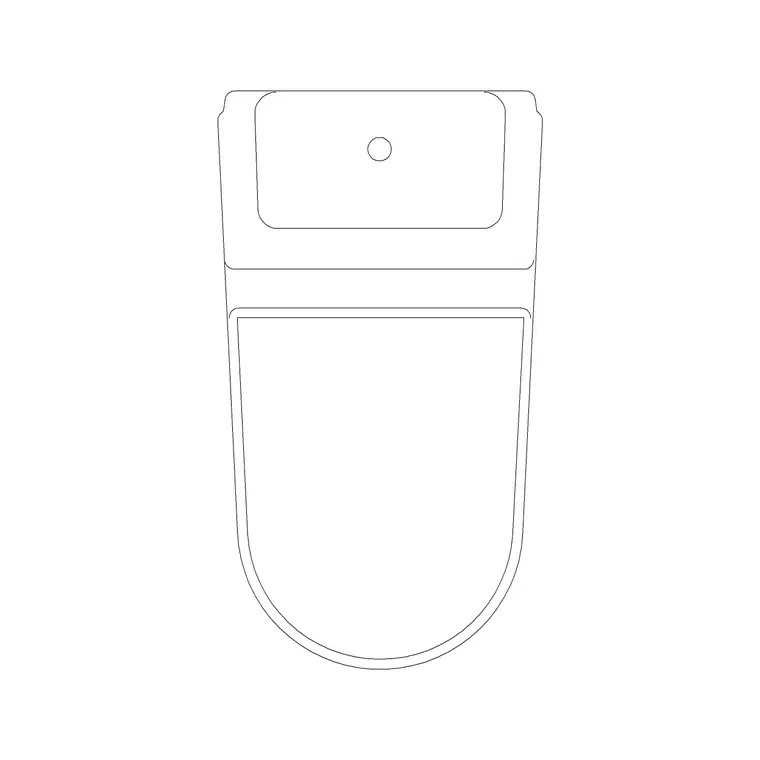
The Toilet Commode 1 block is a clean WC footprint with the pan and cistern, ready to drop against a wall — pair it with basin, bath and shower blocks from the same category for a complete suite. Having the whole suite on hand as trusted blocks means you set out fixtures by snapping them to walls, not by drawing each pan and bowl from scratch every time a bathroom comes across your desk.
WCs and basins — the sizes and clearances
The WC is the fixture everything else gives way to, so place it first and place it accurately. A standard WC pan footprint is roughly 700mm deep by 360 to 400mm wide, with the cistern adding to the depth against the wall. Crucially, allow a clear zone in front of the pan — around 600mm projection and 800mm width — so the WC is usable; this activity space is what a layout most often gets wrong, because it is invisible unless you deliberately draw or reserve it.
Keep the side-elevation WC block in your kit too, because the side view is what shows the cistern height and the pan profile on a setting-out drawing. A plan alone cannot fix the WC vertically, and on a coordination drawing the elevation is what stops the cistern clashing with a window sill or a duct.
Wash basins are the next constant. A standard basin is around 550 to 600mm wide and 400 to 450mm front to back, mounted with the rim near 800mm off the floor, and it needs roughly 600mm of standing space in front. Pull both a pedestal and a vanity basin if your work spans both. Measure each downloaded fixture against these figures; a standard WC that measures 500mm deep is mis-scaled and will throw off every clearance you set out around it.
Baths and showers — the wet zones
Baths anchor the wet end of the room. A standard rectangular bath is 1700 by 700mm, with compact versions at 1500 or 1600mm long and luxury or corner baths larger; check the block measures the length you specified, since bath length drives the whole room dimension. Place the bath against the longest available wall with its tap end where the supply can reach, and leave a kneeling and access strip of around 700mm along the open side.
Showers come as trays in standard squares and rectangles — 760mm and 900mm squares are common, with 1200 by 900mm and 1700 by 800mm rectangles for larger enclosures and wet rooms. The tray block should show the drain position, which is the point your fall and waste are set out from, so a tray block with the gully marked saves you guessing where the pipe needs to land.
For a shower-over-bath arrangement, the bath block plus a screen line does the job, and you avoid carrying a separate tray. Keep both bath and shower blocks in the kit so you can switch a room between the two without redrawing — a common change request that becomes a two-minute swap when the fixtures are trusted blocks rather than hand-drawn geometry.
Set out, layer and keep the drainage readable
Once the fixtures are placed, the plumbing draftsman's real job begins: setting out waste and supply. Keep the fixtures on a sanitary-ware layer distinct from the pipework layers so you can show or hide each independently and issue a clean fixture-only plan or a full services plan as needed. A drainage plan where the pipes fight the fixture geometry for attention is hard to check; on separate layers, each reads clearly.
Blocks built on layer 0 inherit whichever layer you insert them onto, so set your sanitary layer current before placing. Bring each fixture in with the INSERT command, keep scale at 1 since they are drawn at real size, and snap the fixture to the wall line so its back sits tight against the wall where the waste connection is.
Confirm every fixture against its real dimension before you commit pipe runs around it, because a single mis-scaled WC or basin cascades into wrong falls and clashes downstream that are painful to unpick later. The same fixture-first discipline applies in the kitchen, where a unit such as the Cabinet block houses the sink and its waste. A vetted sanitary kit on a Tool Palette plus disciplined layering means you can set out a bathroom's fixtures in minutes and trust every clearance the drawing claims.
Questions
Frequently asked
What size is a standard WC block in plan?+
Roughly 700mm deep by 360–400mm wide for the pan, plus the cistern against the wall. Allow a clear activity zone of about 600mm projection by 800mm width in front of it.
Where can plumbing draftsmen download free sanitary blocks?+
The Bathroom category on cadblockdwg.com has WCs, basins, baths and showers in plan and elevation as free DWG downloads, no signup, free for commercial use.
Why keep a side-elevation WC block?+
The side view shows the cistern height and pan profile, which a plan cannot. It is what you need on a setting-out or elevation drawing to fix the WC vertically.
Free downloads from this article
Free CAD block library
Download the blocks from this article — free, no signup