Curated pack · plumbing cad blocks
Free plumbing fixtures CAD block pack
By Sumana Kumar · Published 12 Feb 2022 · Updated 24 Jun 2026
Plumbing drawings combine two things on one sheet: true-size sanitary fixtures whose footprints must fit the room, and schematic pipework and valve symbols that show how the system connects. This free plumbing fixtures CAD block pack carries both — WCs, wash basins, kitchen and utility sinks, baths, showers and bidets drawn to standard sanitaryware sizes, alongside stop valves, gate valves, floor gullies, rising-main and waste symbols — in DWG and DXF for AutoCAD 2004 or later. Everything is free for personal and commercial use, no signup, no watermark.
Use the pack to lay out bathrooms, kitchens, plant rooms and utility areas, and to draw the cold-water, hot-water and drainage runs that serve them. Because the fixtures are scaled to real sanitaryware, the moment a WC or a sink lands you can check the activity space in front of it, the wall it sits against and the route its waste needs to take to the stack.
Plumbing is the discipline where the services genuinely drive the layout: a WC has to sit close to the soil stack, a sink needs a fall to its waste, and a long horizontal run of large-bore drainage is something every designer tries to avoid. Working from scaled fixture blocks rather than rough rectangles means the constraints are visible from the first sketch, so the plan you hand to the installer is one that can actually be piped.
What the plumbing pack covers
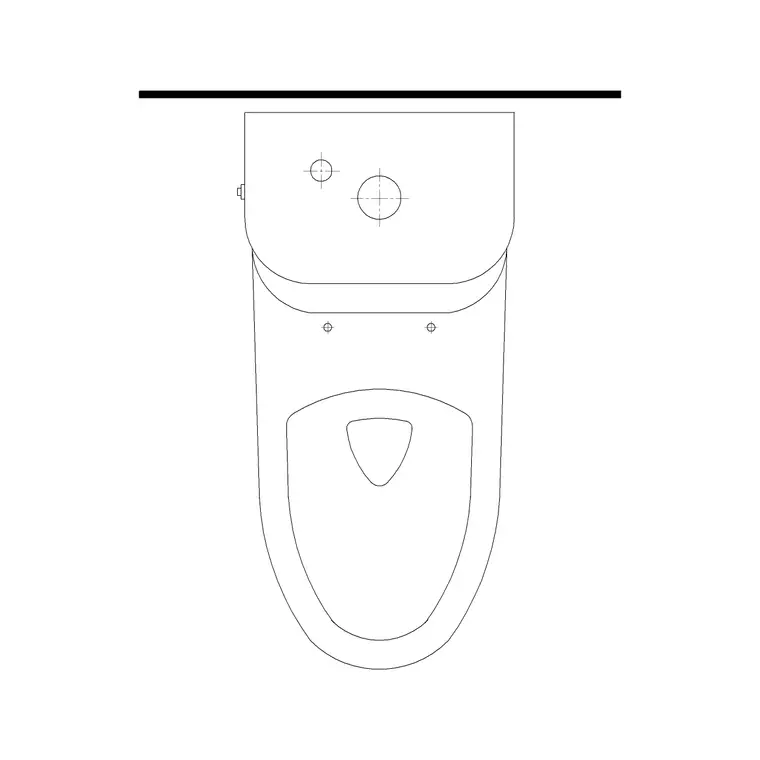
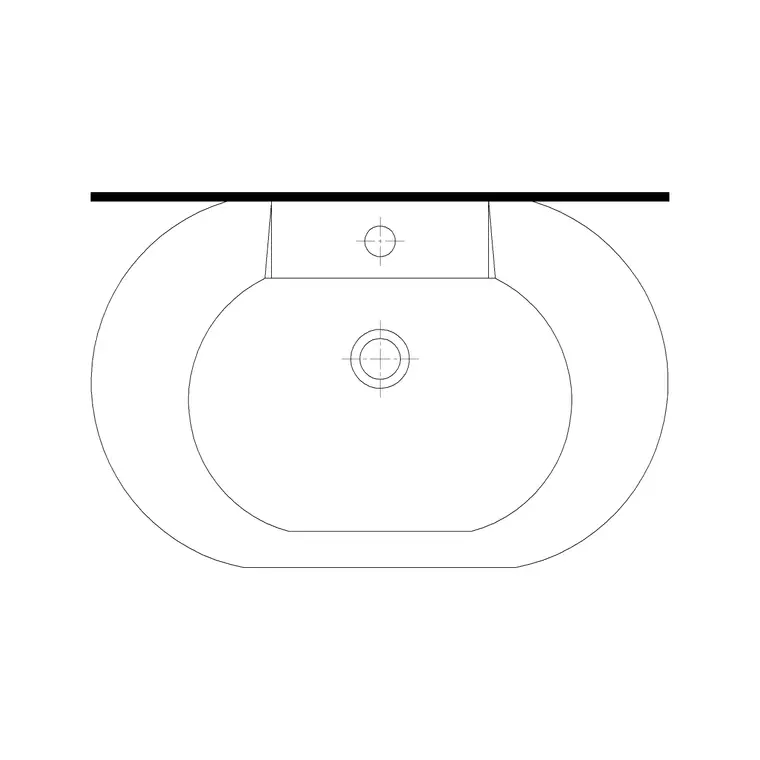
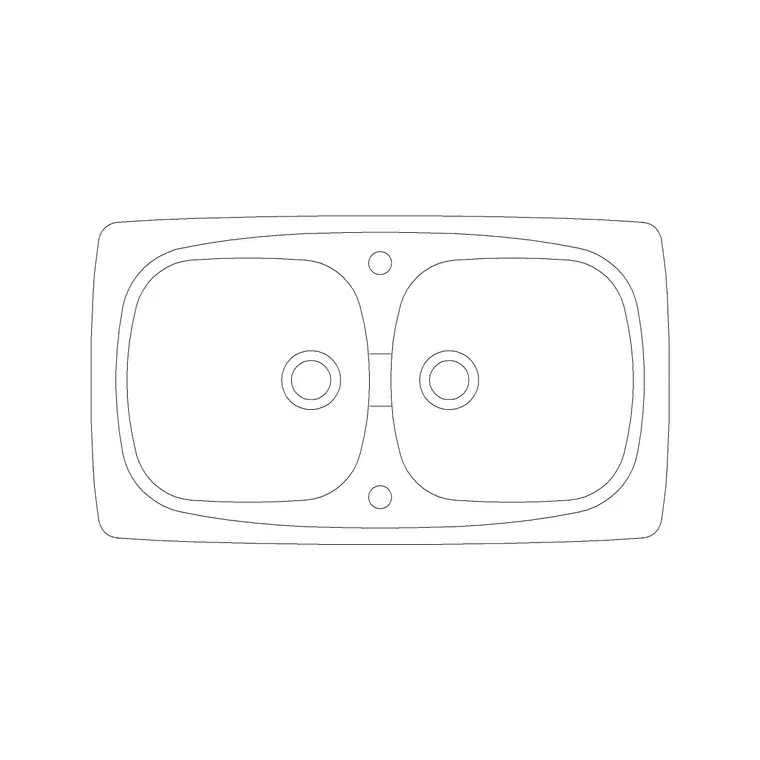
The pack spans both fixtures and pipework symbols. Sanitary fixtures: close-coupled and wall-hung WCs, pedestal and countertop basins, single, double and 1.5-bowl sinks, baths, shower trays and bidets — all at true sanitaryware footprints. Pipework and valves: stop valves, gate and isolating valves, check valves, draincocks, and rising-main, cold-feed and hot-feed line symbols.
Drainage: floor gullies, gully traps, rodding eyes, inspection chambers and soil-and-vent-pipe symbols. The fixtures share footprints with the bathroom and sanitary packs, so a WC drawn here matches the one on the architectural plan, and the valve and gully symbols plot at a consistent legend size across every sheet.
True-size fixtures vs schematic pipework
A plumbing drawing mixes two scales of thinking. The fixtures are drawn at real size because their footprint must fit the room and clear the door swing — a WC is roughly 360 to 400 mm wide and 600 to 700 mm deep, a basin 500 to 600 mm wide, a standard bath 1700 by 700 mm. The pipework and valves, by contrast, are schematic: a stop valve is drawn as a recognisable symbol at a plotted size, not at the true size of the brass fitting, because what matters is where it sits in the run, not its few centimetres of body.
The pack keeps these two conventions separate on different layers, so you can show a clean architectural sanitary plan (fixtures only) and a detailed services plan (fixtures plus pipework and valves) from the same base, without the pipe symbols cluttering the layout drawing.
Setting out fixtures around the drainage
Begin with the soil-stack position, because it usually fixes the WC. Place the WC block against the stack wall first, then bring the basin within easy reach, and set the bath or shower along the longest available wall. Keep checking the 600 mm activity zone in front of each fixture and the door swing — the scaled blocks make these clashes obvious before any pipe is drawn.
Once the fixtures sit correctly, snap a centreline to each one and dimension the setting-out: the distance from a finished wall to the centre of the WC, the basin position, the shower-drain location. Those setting-out dimensions are what the installer actually works to, so producing them from the same blocks that drive the architectural plan keeps the whole set coordinated.
Drawing the pipework runs
With fixtures fixed, add the supply and waste runs on their own layers. Show the cold-water rising main and its branches, the hot-water feed from the cylinder or combi, and the waste and soil drainage falling to the stack. Use the valve symbols to mark isolation points — a stop valve on the incoming main, isolating valves on each fixture branch so a single appliance can be shut off without draining the system.
Keep cold, hot and drainage on distinct layers and colours so the three systems read separately. For drainage, the gully and rodding-eye symbols mark access points; place an inspection chamber or rodding eye at each change of direction so the run can be cleared. Drawn this way, the plumbing plan doubles as a clear instruction set for first and second fix.
Who uses the plumbing pack
Plumbing and public-health engineers use it to produce sanitary and drainage layouts. Plumbers and heating engineers use it to quote, mark up existing systems and draw record drawings. Architects and interior designers use it to set out bathrooms and kitchens and to coordinate fixture positions with the structure and the drainage.
Self-builders and renovators use it to plan a bathroom or kitchen before committing to pipe routes. Pair the pack with the bathroom, sinks-and-faucets and building-symbols categories to cover the fixtures, the taps and the services symbols a complete plumbing drawing needs.
Coordinating plumbing with the other trades
Plumbing rarely lives alone on a drawing — it shares the wall chases, the floor build-up and the ceiling void with electrical containment and mechanical ductwork. The blocks earn their keep during this coordination. Keeping fixtures and pipework as scaled, layered blocks lets you overlay the plumbing on the same architectural XREF the electrical and mechanical sheets use, so a soil pipe rising through a slab is checked against the duct dropping into the same zone before either is built.
When the layout is settled, attribute the fixtures and valves — a fixture reference, a pipe size, a valve type — and you can extract a sanitary schedule and a valve list straight from the drawing. That gives the estimator a take-off and the installer a clear, dimensioned plan, both generated from the same consistent block set rather than redrawn for each purpose. It is the difference between a plumbing drawing that merely looks right and one that genuinely builds.
Free download
Browse the full library — DWG & DXF, no signup.
Questions
Frequently asked
What plumbing fixtures and symbols are included?+
True-size WCs, basins, sinks, baths, showers and bidets, plus schematic pipework and valve symbols — stop, gate and check valves, draincocks, floor gullies, rodding eyes, inspection chambers and rising-main, cold-feed, hot-feed and soil-pipe line symbols.
Are the plumbing fixtures drawn to real size?+
Yes — the sanitary fixtures are drawn at true sanitaryware dimensions so their footprints fit the room and clear the door swing. The pipework and valve symbols, however, are schematic and plot at a consistent legend size, because their position in the run matters more than their tiny real footprint.
Can I draw cold, hot and drainage runs with this pack?+
Yes. The pack includes rising-main, cold-feed, hot-feed, waste and soil-pipe line symbols plus isolating, stop and check valves. Keep each system on its own layer and colour so the three runs read separately on the services plan.
Are the plumbing CAD blocks free for commercial use?+
Yes. Every fixture and symbol downloads free in DWG and DXF with no signup, no watermark and no attribution requirement, and they are cleared for commercial plumbing and drainage drawings.
Related downloads
Blocks for this guide
Related categories
Related guides
Curated pack
Free Accessibility / Part M CAD Block Pack — DWG
Free accessibility / Part M CAD block pack in DWG — wheelchair symbols, turning circles, accessible WCs and clearances for AutoCAD inclusive-design plans.
Curated pack
15 Free Wash Basin CAD Blocks — DWG & DXF in 2026
Download 15 free wash basin CAD blocks in DWG and DXF — pedestal, wall-hung, countertop, vanity and corner basins in plan and elevation. No signup needed.
Block landing
Free Sanitary Fixtures CAD Blocks — DWG Download
Download free sanitary fixtures CAD blocks in DWG and DXF — WCs, wash basins, urinals and sinks in plan and section for AutoCAD sanitary plans.