Single symbol vs a furniture-set block for a clean plan
When one furniture-set block keeps a plan tidy and coordinated, and when breaking it into single symbols reads cleaner.
Saumyajit MaityUpdated 24 April 20266 min read
The clutter problem starts before you think it does
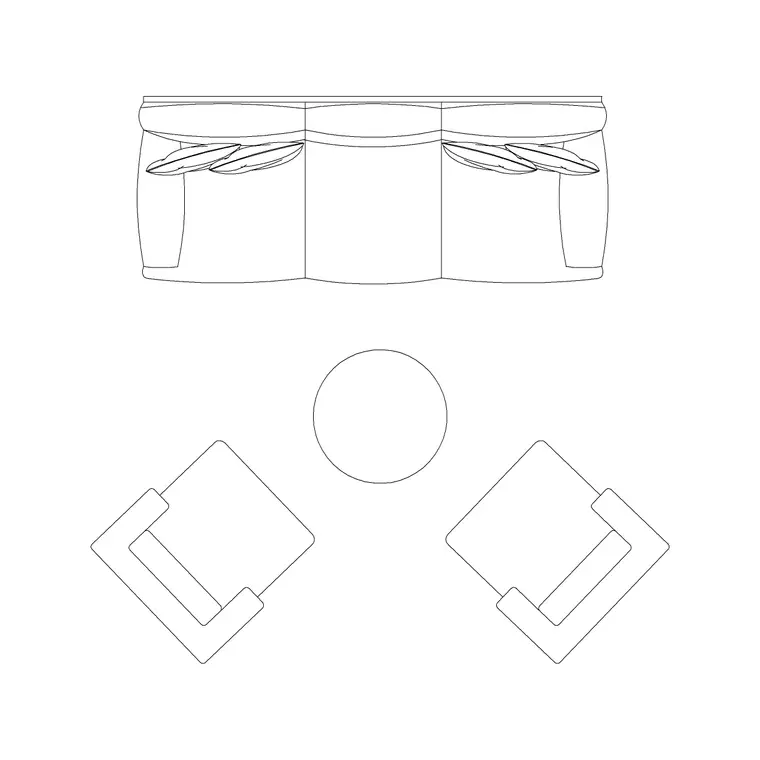
A floor plan starts looking cluttered long before most people notice it happening, and one of the sneakier causes is inconsistent furniture grouping, a living room where the sofa is one block, the armchair next to it is a completely different style of block from a different source, and the coffee table between them is a third style again, all technically correct individually but reading as visual noise together. This is exactly the problem a furniture-set block like Sofa Set Plan 1 is built to solve, and it is worth understanding when that grouped approach genuinely keeps a plan cleaner and when it is actually working against you.
It is worth saying plainly that clutter on a plan is not really about how many objects are on the sheet, it is about how many different visual languages those objects are speaking at once. A busy plan with fifteen pieces of furniture, all from one coordinated source, can read cleaner than a sparse plan with five pieces pulled from five different places, because consistency does more visual work than quantity ever does.
Why a set block keeps things tidy
A set block was drawn as one coordinated group, so the sofa, the accompanying chairs, and often a coffee table all share the same line weight, the same drawing style, and proportions that were considered together rather than assembled from unrelated sources. Drop it into a living room layout and you get an arrangement that already looks like furniture someone actually chose to put together, at a realistic scale relative to itself, in one insertion, which is a lot faster and visually cleaner than sourcing a sofa here, an armchair there, and hoping they agree stylistically once placed side by side.
There is a genuine speed benefit for early stage plans too, laying out several rooms worth of furniture in an afternoon is realistic when each room starts from one grouped block roughly nudged into place, versus the same afternoon spent individually placing and proportioning a dozen separate pieces per room, which is simply a slower way to reach the same rough result.
It is worth noting the time saving is not just about placement speed either, a coordinated set also saves you the proportional judgment call of deciding how big an armchair should be relative to a sofa it is meant to sit beside, since whoever built the set already worked that relationship out correctly, whereas sourcing both pieces individually means you are the one responsible for making sure a three seater and its accompanying armchair do not end up looking mismatched in scale relative to each other once both are placed.
When breaking it apart is actually the better move
The set stops helping the moment the room's actual layout does not match the set's built-in arrangement, if you need the sofa against one wall and the armchair on a completely different wall across the room rather than the grouped configuration the block ships with. In that case, explode the set once, reposition the pieces individually, and you keep the visual consistency of a matched family while gaining the layout freedom of individual symbols, which is honestly the best of both approaches when it works out.
An irregular or awkwardly shaped room is where this comes up most, an L shaped living space or a room with an unusual bay window, where no pre-arranged set is ever going to match the actual geometry of the space, so exploding early and treating the set purely as a source of matched, correctly proportioned pieces rather than a finished arrangement is usually the faster path from the start.
A worked example: a bedroom that needed both approaches
A recent small bedroom layout is a decent illustration of where the line actually sits in practice. The bed and matching nightstands went in as a single coordinated set in one insertion, since the client had not specified anything unusual about that arrangement and a matched grouped block gave a clean, proportionally correct result in seconds. The reading chair in the corner, though, was a completely separate individual piece, sourced on its own because it needed to sit at an angle facing the window rather than anywhere the bedroom set's own layout would have put it, and pairing it visually with the bed set meant deliberately choosing a chair block with a similar line weight and drawing style rather than grabbing whatever came up first in a search. The ceiling lamp above the bed and the wall lamp beside the reading chair were also placed as individual fixtures rather than as part of any set, since lighting in this room genuinely was not a matched pair the way the bed and nightstands were. The finished plan used four separate sourcing decisions across one small room, and each one was the right call for that specific piece rather than a single blanket rule applied to the whole room.
Where a single individual symbol is genuinely the right call from the start
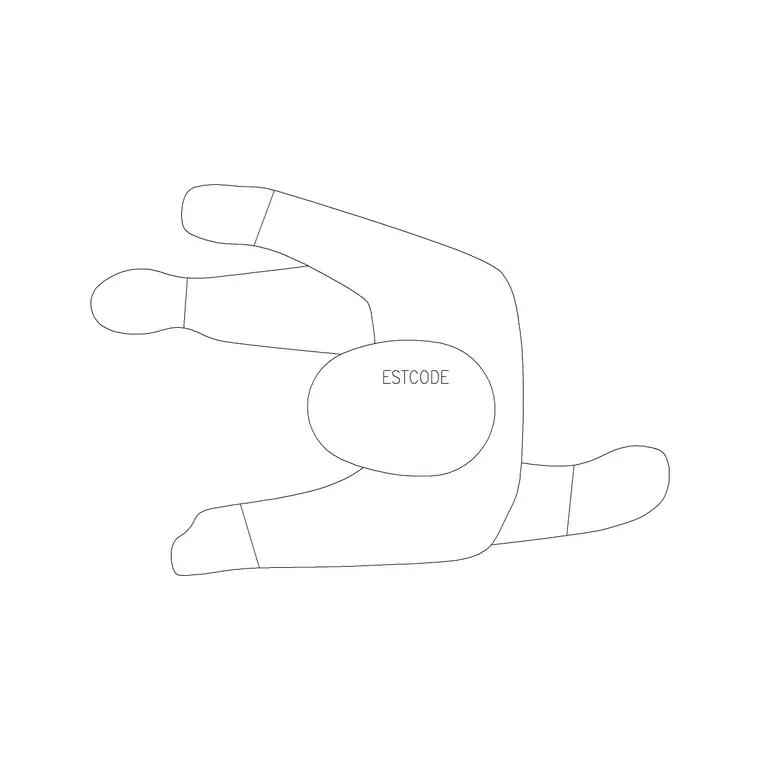
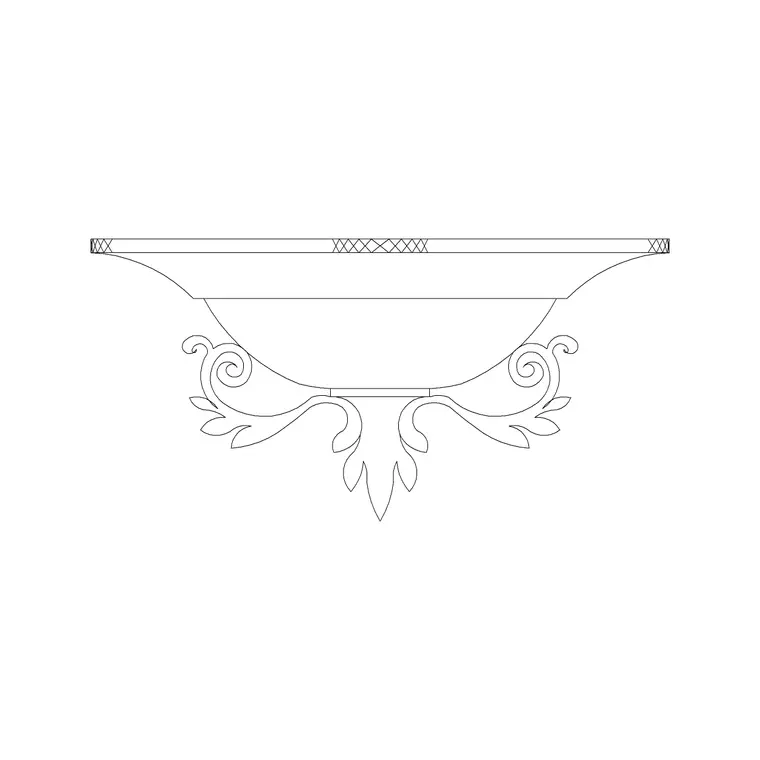
Not every piece of furniture belongs to a natural set. A single human figure, a Human Figure Plan 1 placed near an entrance purely as a scale reference, has no business being grouped with anything else, it is doing one specific job on its own. Same with a single lighting fixture, a Ceiling Lamp or Wall Lamp placed at one specific point in a room, these are individual symbols by nature and forcing them into an artificial "set" would just be adding unnecessary complexity for no benefit.
The test I use is simple, ask whether the piece would still make sense sitting completely alone on the sheet with nothing else around it. A scale figure or a single wall fixture passes that test easily, a sofa without its accompanying chairs and table arguably does not, which is a decent quick signal for which category a given piece actually belongs to.
A cleanliness check worth running before you finish a plan
Step back from the drawing at actual print scale and look for furniture pieces that visually disagree with their neighbors, different line weights, different levels of detail, obviously different drawing styles sitting right next to each other. That mismatch is almost always the tell that pieces were sourced individually from different places rather than as a coordinated set, and it is worth either replacing the odd one out with something from the same source as its neighbors, or accepting the set block's built-in grouping rather than fighting it apart into pieces that will not stylistically match anything else in the room.
A second check worth running alongside it is simply counting how many separate block insertions the room actually needs to communicate its layout, since a room that only needs a sofa, two chairs and a table to read correctly rarely benefits from being broken into more individual pieces than that just for the sake of flexibility nobody is going to use.
Further reading
Questions
Frequently asked
How do I rearrange the pieces inside a furniture-set block without losing the style consistency?+
Explode the set block once with EXPLODE to release its individual pieces as loose geometry in the same drawing style, then move each piece independently. You keep the matched visual style while gaining full layout freedom.
Does using a furniture-set block instead of individual pieces affect file size much?+
Not meaningfully for a typical living room grouping, since it is still just a handful of pieces either way. The bigger practical benefit is drafting speed and visual consistency, not file size.
Should a single human figure or lamp ever be grouped into a set?+
Generally no, single-purpose symbols like a scale figure or an individual light fixture are meant to be placed on their own at a specific point, and grouping them adds complexity without any real benefit, since there is nothing else that piece genuinely needs to stay coordinated with.
Free downloads from this article

Free CAD block library
Download the blocks from this article — free, no signup