How to scale a downloaded paving pattern correctly in AutoCAD
Paving blocks and hatch patterns must read at real unit size and tile cleanly. Here is how to scale a free DWG paving pattern in AutoCAD without gaps.
Saumyajit MaityUpdated 27 May 20264 min read

Paving has to read at real unit size
Paving is all about the size of the repeating unit. A block paver is typically around 200 x 100mm, a standard concrete flag 450 or 600mm square, a large format slab 600 x 900mm. The whole point of drawing paving is to communicate the module — how big each unit is and how the joints line up — so a paving pattern scaled wrong tells the contractor the wrong thing about the materials and the setting-out. Get the unit size right and the drawing reads as a real surface; get it wrong and it is meaningless decoration.
The free Paving Block 1 in the Paving category gives you a paver unit or pattern tile to work from. Download it as DWG — no signup, free for commercial use. Whether you use it as a single block you array across an area or as the basis of a repeating pattern, the dimension that matters is the size of one paving unit, because that is the number that lets a contractor order the right material and set out the first course.
Measure one unit, not the whole patch
Insert the paving (type I, Enter, browse, place) and measure a single paver with DIST — its length and width — rather than the overall extent of a patch. For a block paver you want to see roughly 200 x 100mm. If one unit reports 200 x 100, the block is in millimetres and correct for a millimetre drawing; if it reports 0.2 x 0.1, it is in metres; 200 x 100 in a metre drawing is the 1000x units mismatch that makes a single paver cover the whole site.
Measuring the individual unit is the key discipline with paving, because the pattern's job is to convey unit size. A patch that looks plausible overall can still have pavers at the wrong module, and only measuring one unit reveals it. That single measurement decides whether the paving is communicating the right material — a surface drawn from 100mm pavers reads very differently from one drawn from 600mm flags, even if both fill the same area on the page.
Two ways to lay paving: block array or hatch
There are two common approaches and they scale slightly differently. The first is to treat Paving Block 1 as a single unit and use an array (the ARRAY command) or repeated copies to tile it across the area; here you scale the one unit to the correct size first (using the factors or Reference below), then array it, and every copy inherits the correct size. The second is to use a hatch pattern, where AutoCAD repeats a pattern definition across a boundary and you control its size with the hatch Scale value.
For a block-based approach, fix the unit size with SCALE: 0.001 for millimetres into a metre drawing, 1000 the reverse, or Reference to set one paver to an exact 200 x 100. For a hatch, you adjust the pattern Scale until a measured course reads the right module — a hatch scaled by trial against a known unit size, rather than by units conversion, is the normal way to dial paving hatches in. Knowing which of the two methods you are using tells you whether to think in scale factors or in hatch Scale, which is where a lot of confusion comes from.
Tile seamlessly with no gaps or overlaps
Paving only looks right if the units tile cleanly, so accuracy of placement matters as much as scale. When arraying block units, set the array spacing to the exact unit size (plus a joint width if you are showing joints) so each paver butts against the next with no creeping gap or overlap across a large area. Use object snaps (F3) to register the first unit precisely to a corner of the paved area, because any error in the starting unit multiplies across the whole array.
For running-bond and herringbone layouts, the offset between courses must be a clean fraction of the unit (half a paver for running bond), or the pattern drifts visibly. Getting the unit scaled correctly first is what makes these offsets land on tidy numbers; a mis-scaled unit makes every bond pattern look slightly off no matter how carefully you place it. This is why the measure-one-unit step earlier is not optional — the whole tiling depends on that one dimension being exactly right.
Layer paving and keep it from cluttering
Paving geometry is dense, so put it on its own 'Paving' or 'Hardscape' layer that you can freeze or dim when it would clutter a plan that is about something else — a drainage or services layout, for instance. The block or hatch inherits the host layer when you set it current before placing, so it plots at the weight you intend.
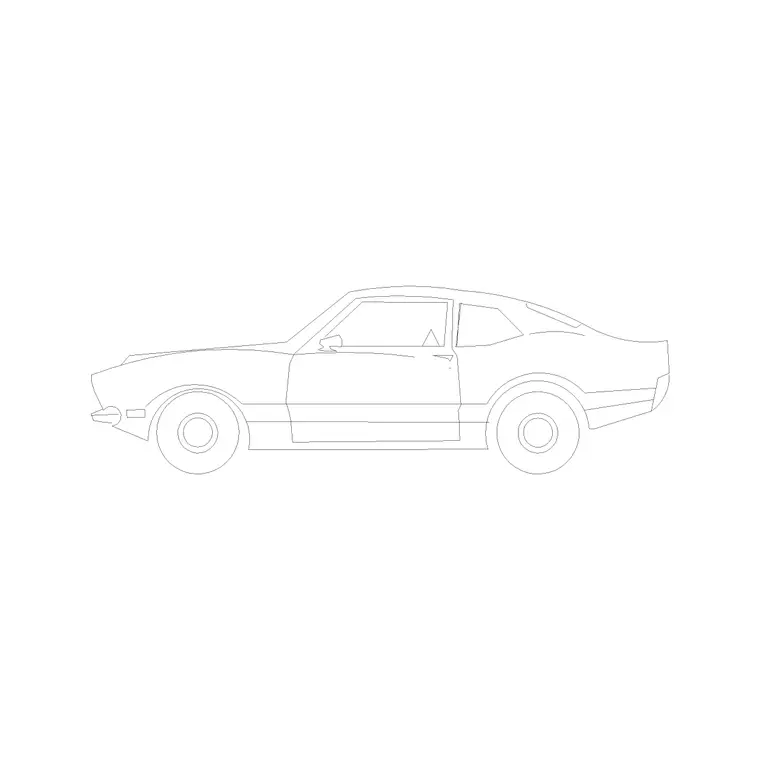
The paving routine comes down to a few habits: measure one unit not the whole patch, scale that unit to the real module with a factor or Reference, tile it with exact spacing so it reads seamless, and keep it on a layer you can switch off. Do that and your paving plans will communicate the real material and setting-out a contractor can actually build from, rather than a decorative texture that happens to look like paving. A car or a scale figure shown on the paving, both at true size, gives the surface an instant sense of proportion and confirms at a glance that the paving module itself is right.
Questions
Frequently asked
How big should a paving unit be in CAD?+
A block paver is about 200 x 100mm, a concrete flag 450–600mm square, a large slab 600 x 900mm. Measure one unit after inserting — 200 x 100 is correct in a millimetre drawing, 0.2 x 0.1 means metres.
How do I scale a paving hatch pattern?+
Adjust the hatch Scale value and measure a course against the known unit size until it reads the right module. Hatches are dialled in by trial against real dimensions rather than a units factor.
Why does my paving pattern tile with gaps?+
The array spacing does not match the unit size. Scale one paver to the real module first, then set the array spacing to that size (plus joint width) so units butt together cleanly across the area.
Free downloads from this article
Free CAD block library
Download the blocks from this article — free, no signup