One block source vs mixing several: the consistency tradeoff
Sticking to one trusted block library keeps line weights consistent, while mixing sources widens options at a real cost.
Saumyajit MaityUpdated 6 June 20266 min read
The tradeoff nobody tells you about until you feel it
The first time I built a fairly large furniture layout entirely from blocks sourced from several different free libraries, because each one happened to have exactly the right piece I was looking for, the plan came together fine individually piece by piece, and then looked strange as a whole in a way I could not immediately explain. It took a step back at full sheet view to see it, every piece of furniture had a subtly different line weight, some blocks used hatching where others used solid poche, and none of it was wrong exactly, it just did not read as one coherent drawing. That is the real tradeoff at the center of picking one block source versus mixing several, and it is worth being deliberate about rather than falling into by accident.
What sticking to one source actually buys you
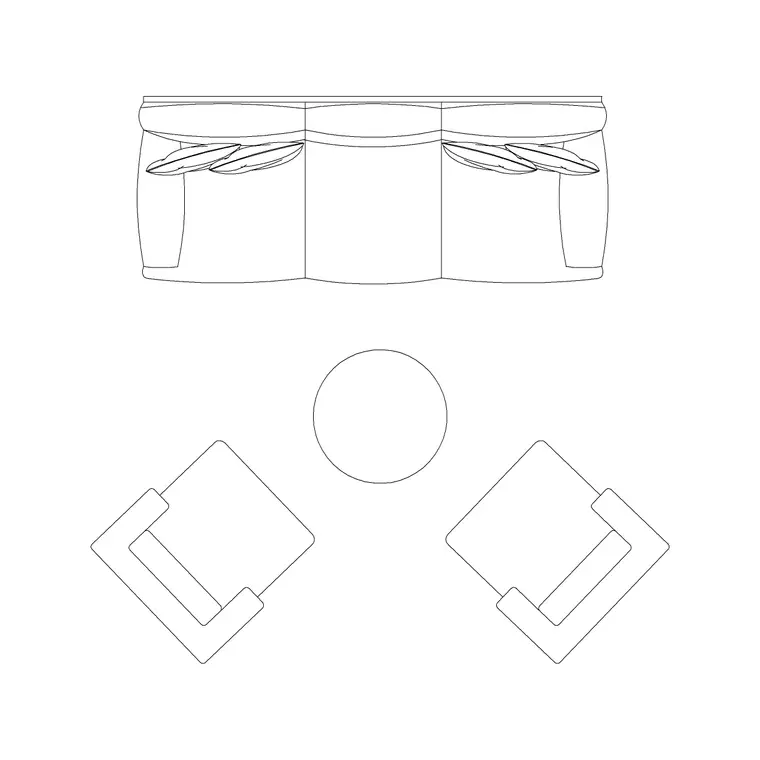
A single trusted library, used consistently, means every block you place shares roughly the same drafting conventions, similar line weights, a consistent approach to what sits on layer 0 versus what carries its own layers, similar levels of detail across categories. A floor plan built entirely from one source, Sofa Set Plan 1 for furniture, Human Figure Plan 1 for scale, Wall Lamp and Ceiling Lamp for fixtures, reads as one coherent hand even though it obviously was not literally drawn by one person, because the library's internal standards are doing that consistency work for you automatically.
There is a review speed benefit too that is easy to overlook, a reviewer who has seen a few drawings built from the same consistent source starts recognizing the visual shorthand instantly, they know at a glance what a plan-view sofa from that library looks like versus an elevation, which genuinely speeds up how fast someone can check a set for errors compared to a drawing where every block looks like it is speaking a slightly different visual dialect.
Naming conventions are the other place this consistency pays off quietly, a single source usually names its blocks in one predictable pattern, so once you've worked with a library for a while you can find what you need by guessing the name half the time, which saves real minutes over a project. Mix in blocks from three or four different sources and you lose that shorthand entirely, every insertion becomes a fresh search rather than muscle memory, and that friction adds up over a long project even before you get to the visual consistency question.
What mixing sources actually buys you
The honest upside of mixing is real, no single library, however good, has everything, and sometimes the exact piece a drawing needs, a very specific fixture style, an unusual furniture item, simply is not in your primary source's catalog, so widening the search is the only way to find it at all. Refusing to ever mix sources on principle can leave you tracing something by hand that another library already has cleanly drawn, which is its own kind of inefficiency working against the very consistency you were trying to protect.
This trade off is really a version of the same generic versus manufacturer specific question that comes up elsewhere in drafting, sometimes the piece a drawing needs genuinely does not exist in your default source, and pretending otherwise just to preserve a clean single source habit ends up costing more time than the small consistency risk of pulling from a second, well chosen library instead.
There's also a practical timing angle to this, a deadline that's a day away is not the moment to discover your primary source is missing a piece, so the honest move at that point is to pull from wherever the piece actually exists and clean it up afterward rather than hold the schedule hostage to a purity rule about sources. I've made that call plenty of times, grab the block that exists, fix its lineweight in five minutes, and move on, because a drawing that ships on time with one slightly adjusted block beats a drawing that misses a deadline over a principle nobody reviewing it will ever notice.
How to mix without wrecking consistency
When you do need to pull from a second source, the fix is not avoiding it, it is normalizing what comes in. Check the imported block's line weight and layer structure against your primary source's conventions once it is in the drawing, and adjust if it clearly disagrees, a heavier or lighter lineweight than everything around it, or its own internal layer scheme that clashes with yours, both are worth five minutes of cleanup before you move on rather than leaving them to compound across the drawing. Blocks brought in on layer 0 that inherit your current layer are the easiest case, since they will automatically match whatever layer standard you already have running.
A WBLOCK and re-insert pass is worth knowing about too, taking a block from a second source, cleaning its internal layers and lineweights once inside a scratch drawing, then writing it back out as its own clean file, effectively lets you adopt a useful piece from elsewhere while stripping out whatever made it disagree stylistically with your primary source in the first place.
Text style and dimension style are worth checking too, not just lineweight and layers, because a block that carries its own embedded text style, a different font or a different height convention than the rest of your drawing, will stick out on any sheet where labels or tags sit near it. This is easy to miss because it's not visually obvious until you're zoomed into the specific area, so it is worth a PURGE pass after a mixed source drawing is done, checking what unused styles crept in from an imported block and cleaning them out before the file goes out the door.
A rule that has served me well across a lot of projects
Pick one primary source for the bulk of any given drawing, and mix in from elsewhere only for the genuine gaps, the pieces your primary source simply does not have. Never mix sources for pieces that are functionally interchangeable, if your primary library has three perfectly good sofa options, do not go elsewhere for a fourth just because you stumbled on it, because that is exactly the kind of unnecessary inconsistency that adds up across a drawing without adding any real value in return.
On a project team, this is worth putting in writing somewhere, even just a line in a project standards note naming the primary block source everyone should default to, since a rule that lives only in one person's head tends to quietly break down the moment a second or third person starts adding furniture to the same shared drawing.
A concrete example from a kitchen elevation set
A concrete case worth walking through, on a kitchen elevation set I built recently the client wanted a specific wall oven and cooktop combination that my usual furniture and fixtures source simply didn't carry, so I pulled those two blocks from a second library, brought them in, and immediately noticed the door lines on the oven were drawn at a heavier weight than every cabinet line around it. Fixing that took maybe five minutes, selecting the imported geometry, moving it to the correct lineweight layer, and checking the dimension style matched, and once that was done the elevation read as one consistent hand again, the source of the two blocks became invisible to anyone reviewing the final sheet. That's really the whole method in miniature, mix when you genuinely need to, then spend the small amount of cleanup time it takes to make the seam disappear.
Further reading
Questions
Frequently asked
How do I fix a mismatched line weight on a block from a different source?+
Select the block, check its layer or object lineweight setting, and adjust it to match your drawing's standard, or move the geometry onto a layer with the correct lineweight already assigned if the block was drawn on layer 0.
Is it bad practice to use blocks from more than one free library on the same project?+
Not inherently, the issue is unnecessary mixing for pieces your primary source already covers well. Mixing in a second source specifically to fill a genuine gap is normal and reasonable.
What's the fastest way to spot inconsistency across sourced blocks in a finished drawing?+
Zoom out to full sheet view at actual print scale and scan for line weight or detail level differences between similar objects. Inconsistencies that are invisible zoomed in often become obvious at that overview scale, so build this check into your final review pass before a set goes out rather than relying on catching it while zoomed into individual details.
Free downloads from this article
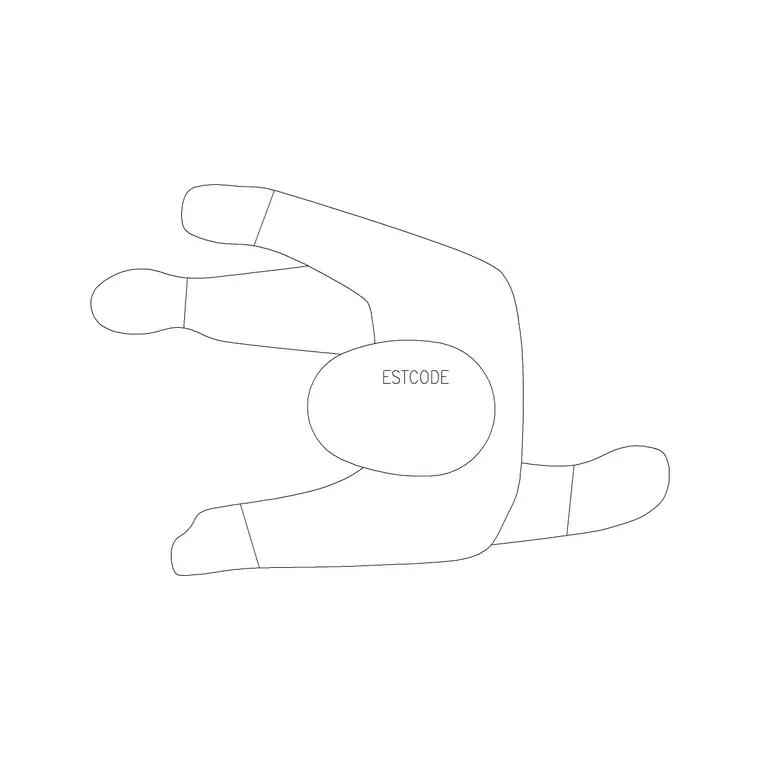


Free CAD block library
Download the blocks from this article — free, no signup