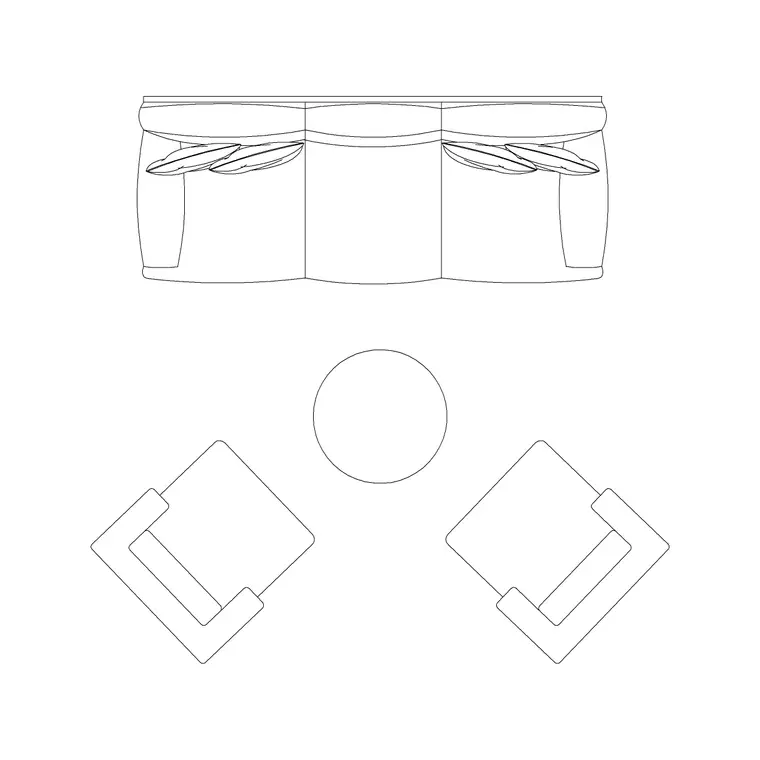
Internal-only library or one shared with contractors, which fits
Weighing an internal-only CAD block library against sharing it with outside contractors, and a middle ground that fits most offices.
Saumyajit MaityUpdated 8 June 20266 min read

This question comes up the moment your library is actually good
Once a shared block library is clean, well named, and genuinely useful, someone inevitably asks whether outside collaborators, a contractor, a consultant on a joint project, a freelance drafter brought on for overflow work, should get access to it too. It is a reasonable question, a good library is valuable and sharing it can smooth collaboration, but it is worth thinking through deliberately rather than defaulting to either extreme, locking everything down out of caution or handing out full access because it seems easier in the moment.
The case for keeping it internal-only
An internal-only library keeps your naming convention, folder structure, and version history entirely under your own control, which matters a lot once you have invested real time into the standards covered elsewhere in this series, an outside party inserting or worse editing blocks without understanding your conventions is a fast way to introduce exactly the kind of drift and duplication your internal audit process is designed to catch. It also sidesteps any question about custom blocks your office has built or meaningfully modified from originally free sources, some of which may represent real design effort you would rather not hand over wholesale to a contractor who might reuse it on a competing project.
The case for sharing at least part of it
On the other hand, a joint project genuinely moves faster when everyone is drawing from the same furniture and fixture set, mismatched blocks between what your office uses and what a contractor pulls from elsewhere shows up as visual inconsistency in a combined drawing set, different chair styles, different door swing conventions, that a client or reviewer notices even if they cannot articulate exactly why the drawings feel slightly off from each other. For a long running relationship with a specific contractor or consultant your office works with repeatedly, some level of shared access genuinely reduces friction on every subsequent project rather than renegotiating file exchange each time.
The middle ground most offices actually land on
Rather than an all or nothing decision, most offices I work with settle on a curated export rather than live access, a periodically updated subset of the internal library, the genuinely generic, non custom blocks, furniture, standard fixtures, common doors, packaged up and shared as a static folder or a simple shared read only cloud link, refreshed on a schedule rather than continuously synced. This keeps your live internal library, with its full version history and any custom or sensitive content, entirely separate, while still giving external collaborators enough shared standard content to keep a joint drawing set visually consistent.
For purely generic content like common furniture and fixture blocks, this curated export can lean heavily on a free public source like cadblockdwg.com directly, since pointing a contractor at the same free, no signup library you built your own core set from is often simpler than exporting and repackaging your internal copies, and it sidesteps any question of what your office is and is not comfortable handing outside its own walls.
Sizing that curated export sensibly matters too, resist the urge to hand over the entire generic category wholesale just because it is easier to zip one folder, a contractor working on a single residential interior job genuinely does not need your entire hardware or landscape category, and a smaller, project relevant export is both faster for them to work with and easier for you to keep track of in terms of what has actually left the building. I usually build the export around the specific project scope rather than the full library, furniture and lighting for an interior fit out, doors and site content for an exterior renovation, rather than defaulting to everything every time.
Set the boundary explicitly, do not leave it implied
Whichever approach you choose, state it explicitly rather than leaving contractors to assume, a short line in the project kickoff or the consultant agreement noting what block resources are being shared, how often the curated export is refreshed if that is the approach, and confirming the internal live library remains internal, saves an awkward conversation later if a contractor assumes broader access than was intended. This is a small amount of upfront clarity that avoids a much messier conversation after the fact about who has been editing what inside a library they were never meant to have write access to.
Revisit the decision as the relationship changes
A one off contractor on a single project rarely needs more than a curated export, but a long term collaborator effectively embedded in your team's regular workflow might genuinely earn broader access over time, treat this as a decision worth revisiting periodically rather than a permanent policy set once and forgotten, the right level of sharing for a brand new contractor relationship is not necessarily the right level three years and a dozen joint projects later.
Watch for the reverse problem too
It is worth thinking about the flip side as well, blocks flowing back into your library from a contractor rather than out to one, since a contractor's block, even a well drawn one, may not follow your naming convention, may not be purged, and may not sit on layer 0 the way your standard requires. Never insert a contractor supplied block straight into your live shared library, treat it exactly like a new download from any outside source, run it through the same layer and purge check described in setting up the shared library in the first place, and rename it to your convention before it goes anywhere near the shared path, otherwise you end up importing exactly the kind of inconsistency the whole naming and audit system was built to prevent, just from an external source instead of an internal one.
If in doubt, default to internal-only for your live library and offer a curated, periodically refreshed export for anything genuinely generic that a contractor needs, that single rule covers the large majority of situations reasonably well without much ongoing overhead, and you can always loosen it deliberately for a specific long term partner later once you have a clearer sense of how much shared access that relationship actually calls for. Whichever way your office leans, write the decision down somewhere alongside your other library documentation, the naming convention, the ownership model, the backup schedule, so it is a deliberate, known policy rather than something that quietly varies project to project depending on who happens to be managing the collaboration that week.
On one project a contractor's drafter sent back a batch of site furniture blocks that looked fine at a glance in thumbnail view but turned out to be sitting on a layer called Layer1 with hard coded colours baked directly into the geometry rather than ByLayer, which meant every single one needed to be reworked by hand before it was safe to sit anywhere near the shared library, redrawn onto layer 0 with proper ByLayer properties and renamed to match convention. That kind of cleanup is exactly why the never insert directly rule exists, it is a small amount of friction on the way in that saves a much bigger cleanup later once bad habits have already spread into several drawings built off the contaminated block.
Further reading
Questions
Frequently asked
Should contractors have direct access to our internal block library?+
Generally no, a curated, periodically refreshed export of the generic, non custom content works better, it keeps your live internal library's naming, version history, and any custom work fully under your own control.
What should go into a curated export for outside collaborators?+
Stick to genuinely generic content, standard furniture, common fixtures, typical doors, and leave out anything custom drawn or meaningfully modified that represents your office's own design effort.
How often should a shared contractor export be updated?+
A quarterly refresh aligned with your regular internal library audit works well for most offices, frequent enough to stay useful without turning into an ongoing live sync commitment.
Free downloads from this article


Free CAD block library
Download the blocks from this article — free, no signup