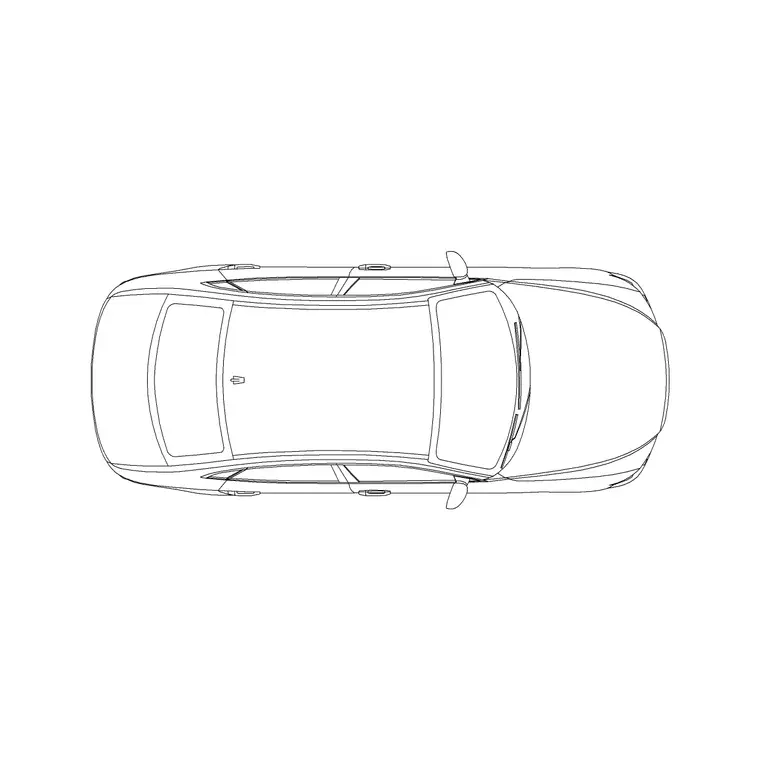
Blocks for a tender or bid drawing package
How to choose and place CAD blocks in a tender drawing set so contractors can price accurately without chasing ambiguity back to the design team.
Sumana KumarUpdated 18 June 20266 min read
A tender set has a different job than a design set
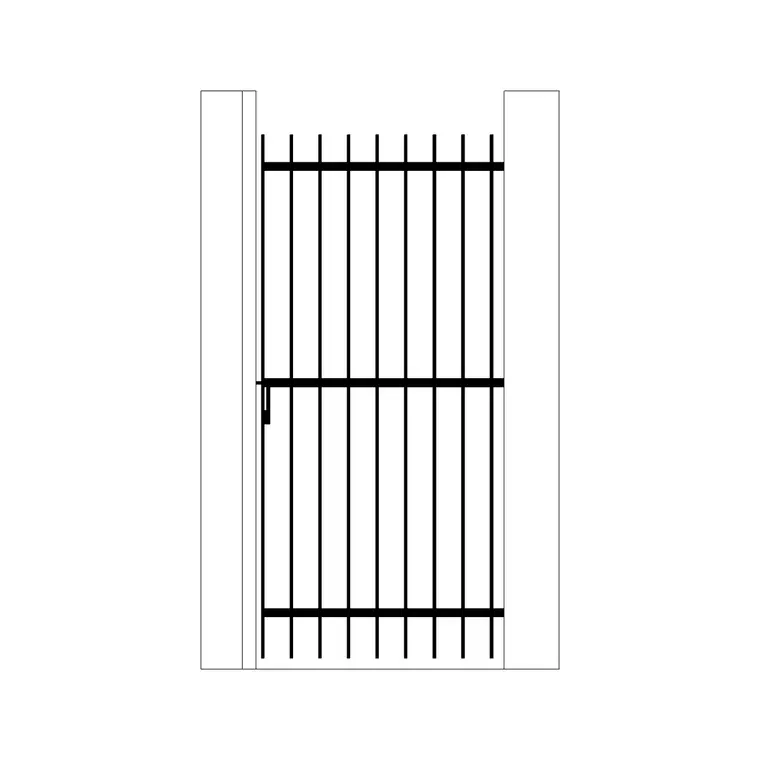
A tender package isn't trying to impress anyone, it's trying to let five or six contractors independently arrive at the same read of the scope, and that's a much harder standard than most design drawings are held to. I've watched a pricing exercise blow its return window because one elevation showed a gate as a generic rectangle while the specification called it out as a bespoke wrought iron gate, and two bidders priced it completely differently because the drawing didn't match the words. Consistency between what's drawn and what's written is the whole game at tender stage.
That means every recurring element, every door, gate, stair and area of paving, needs to be represented by the same block wherever it appears across the set, so a quantity surveyor doing a take off can count instances confidently instead of second guessing whether two slightly different looking symbols are actually the same item.
Legibility at plot scale beats decoration
Tender drawings usually get printed, often at A1 or A0 for a site walk and A3 for the folder that goes back to the estimator's desk, and a block that looks fine on a 27 inch monitor at full zoom can turn into a grey smudge at 1:100 on paper. Before a set goes out for pricing, it's worth doing an actual print or a full page PDF preview at the intended plot scale and checking that a circular stair block, for instance, still reads as a stair with its going and riser count visible, not just a spiral of overlapping lines.
This is also where line weight discipline earns its keep, because a tender drawing with every block using the same 0.25mm hairline looks flat and is genuinely harder to price from than one where the object outlines are heavier than the fill hatching underneath.
Colour matters too if the set is being issued as a PDF for on screen review rather than purely for print, since a lot of estimators now do their first pass on a laptop rather than a plotted sheet, and a drawing that relies entirely on line weight to separate elements can lose that distinction when it's zoomed out on a monitor. I try to keep a light fill or tint on major elements, the paving block for a driveway for instance, so the drawing still reads clearly whether it's being reviewed on paper or on screen.
Building the block schedule alongside the drawing
For any package that's going to more than one bidder, I build a simple block schedule as a table on the cover sheet or in the specification, listing each recurring block, its reference tag, and a one line description that matches the specification wording exactly. So the iron gate block gets tagged G1, the paving block gets tagged P1 with its module size noted, and so on. Contractors doing a take off will thank you for this because it turns a drawing search into a lookup, and it dramatically cuts down the number of pre tender queries you have to field during the pricing window.
This schedule doesn't need to be elaborate, a simple table works, but it does need to be complete, because a missing entry reads as an omission and invites a bidder to price it conservatively high just to cover the risk. I keep this schedule as a living document through the tender period too, updating it if a bidder's clarification question reveals an ambiguity, so by the time bids close the schedule reflects exactly what was priced, not just what was originally issued.
I also cross reference the block schedule against the specification's own item numbering wherever the two systems overlap, so a bidder cross checking a drawing tag against the written spec finds the same reference number rather than two independently numbered systems that require manual translation between them, which is a small friction that adds up across a document set with dozens of tagged items.
Where generic blocks are fine and where they aren't
For elements that are genuinely still being finalised, a generic block with a clear annotation like 'gate, TBC, allow provisional sum' is honest and workable, contractors price provisional items all the time. What causes real problems is using a generic block without flagging it as provisional, because then it silently becomes the spec by default and you'll have a fight on your hands later about what was actually included in the accepted price.
For items that are locked, use the real block, at the real scale, with real dimensions, whether that's the accessible parking bay with the wheel chair symbol correctly sized, or a run of paving with the actual module shown rather than a flat hatch standing in for it.
The provisional sum approach also protects the quantity take off itself, since a bidder pricing a clearly flagged allowance knows to price it as a line item with a stated risk contingency, whereas an unflagged generic block gets silently folded into the bidder's general assumptions about scope, and untangling that assumption after contract award, once the actual gate style or paving spec is finally locked, is a conversation nobody wants to have mid project.
Formats and file handling for multiple bidders
Send DWG as the working file where you can, since that's the native format most estimating and take off software reads without any translation loss, and include DXF as a fallback for anyone on a different CAD platform or an older release that struggles with newer DWG versions. Bundle everything with xrefs bound rather than live linked, because the last thing you want mid tender is six different contractors opening a drawing with a broken xref path to a folder that only exists on your server.
It's also worth stripping out any layers you don't want priced, design development sketches, superseded options, redline markups from internal review, before the set goes external, since a stray layer left visible in a PDF export has genuinely caused bidders to price things that were never meant to be in scope.
Number every addendum drawing clearly against the original issue too, a simple revision letter and date in the title block, since a tender period that runs several weeks often generates at least one clarification drawing along the way, and a bidder working from an unnumbered addendum has no reliable way to confirm they're pricing the most current version rather than something that got superseded by a later clarification issued to the group.
The payoff of getting this right
A tender set where the blocks are consistent, correctly scaled, clearly scheduled and honestly flagged where something's still provisional comes back with tighter, more comparable bids and far fewer clarification questions eating into the pricing window. At the end of the day the drawing is a communication tool first and a design record second at this stage, and every ambiguous block is a question mark that either costs you a phone call or costs the project a pricing error that surfaces much later when it's expensive to fix.
It's worth building this consistency habit into your drafting practice generally too, not just reserving it for tender packages, because a block library where the iron gate, the circular stair and the paving pattern are always the same definition across every project makes every future tender set faster to assemble, and it means your internal quantity take offs match what's actually going out the door to bidders.
Further reading
Questions
Frequently asked
Should tender drawings use the same blocks as the design development set?+
Yes, ideally the exact same block definitions, just reviewed and locked, because switching blocks between design development and tender stage risks introducing quantity or dimension inconsistencies bidders will price differently.
What format should tender drawings be issued in?+
DWG is the safest working format since most estimating software reads it natively, with a DXF export included as a fallback and a flattened PDF for anyone who just needs to view and print.
How do I handle elements that aren't finalised yet in a tender package?+
Use a generic block and label it clearly as provisional or TBC with an allowance, rather than leaving it unlabeled, so bidders price the uncertainty explicitly instead of it becoming an unstated assumption.
Free downloads from this article



Free CAD block library
Download the blocks from this article — free, no signup