Sharing a CAD block library between Windows and Mac users
What actually changes when a downloaded CAD block library is shared between Windows and Mac users, from fonts to file paths.
Saumyajit MaityUpdated 22 April 20266 min read
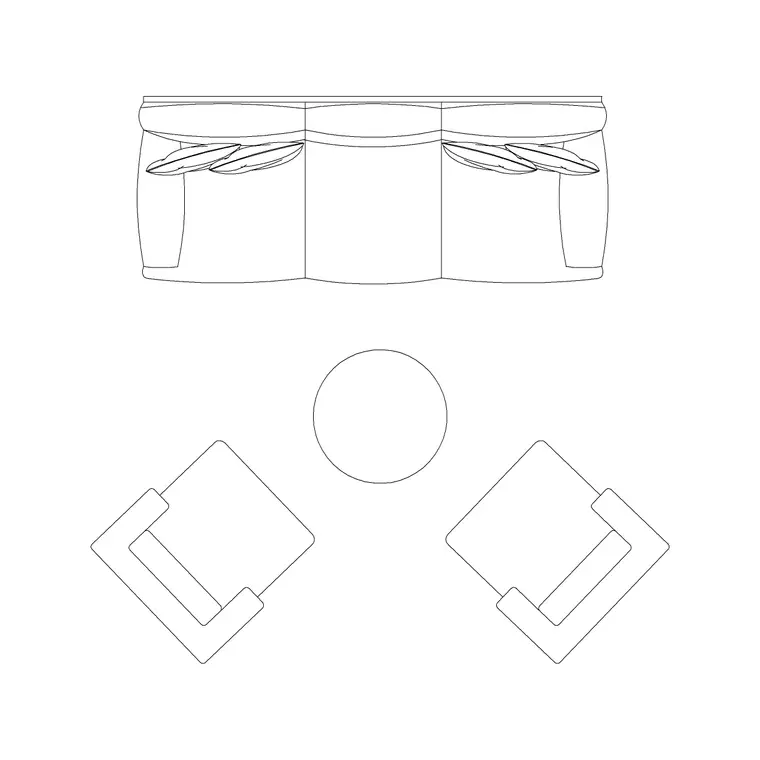
The block library survives the Windows to Mac jump better than people expect
I get this question a lot from smaller studios where one designer works on a MacBook and everyone else is on Windows desktops, usually framed with a decent amount of worry, as if switching operating systems is going to break the whole shared library. The good news is that DWG is a binary file format with no operating system dependency baked into it, so the actual geometry, layers, blocks and dimensions inside a downloaded file open identically whether the machine is running Windows or macOS. The friction that does exist lives around the file, not inside it.
I say this because the panic I hear is almost always framed as a file format question, will this DWG even open on a Mac, when the real answer is nearly always yes, and the actual issues worth planning for are further down this list and considerably more manageable once you know to look for them.
AutoCAD for Mac is real, but it's not a mirror of the Windows version
Autodesk maintains a genuine Mac version of AutoCAD, and it opens and edits DWG files including blocks without any conversion step, which is the part that matters most for a downloaded block library. Where it differs from the Windows version is around the customization and toolset layer, some of the specialty toolsets and deeper automation features available on Windows are either absent or more limited on Mac, so if any part of your workflow leans on advanced scripting to place or configure blocks, that's worth testing on the Mac side specifically rather than assuming parity.
For the kind of block library we're talking about here, plain 2D furniture and hardware geometry inserted with a standard INSERT command, this distinction barely matters, since it's a straightforward operation on both platforms. It becomes relevant mainly for firms with a heavier scripting or automation layer built on top of their drafting workflow.
Keyboard shortcuts and command aliases are another small but real difference worth flagging to a Mac based drafter joining a mostly Windows team, since some default shortcuts differ between the two versions to respect standard macOS conventions, which rarely affects the blocks themselves but can slow a new Mac user down during onboarding if nobody mentions it upfront. I usually point this out during onboarding specifically so it does not get mistaken for a bigger compatibility issue than it actually is, since it is purely a keyboard habit difference rather than anything to do with the drawing content.
Fonts are the recurring headache, same as everywhere else on this list
Windows and macOS ship with different default font sets, and while common fonts like Arial exist on both, anything more specific can be present under a slightly different name or missing entirely on one platform. A block using a font that's only installed on the Windows machines will substitute on the Mac side, shifting text spacing the same way it would between any two mismatched CAD installs. The fix is identical to the cross-software case, stick to a short list of fonts you've confirmed exist on both platforms, and this stops being a recurring conversation.
Worth noting too that font names themselves sometimes differ subtly between the two operating systems even for fonts that are functionally the same family, which can occasionally cause a substitution to trigger even when you'd expect the font to already be present, so a direct visual check after opening on the other platform is still worth the thirty seconds it takes.
File paths and case sensitivity, the quieter trap
This is the one that catches people off guard because it has nothing to do with the CAD software itself. Windows file paths use backslashes and are generally case-insensitive, macOS defaults to a case-insensitive file system too in most consumer setups but network drives, external drives, or a Mac configured with a case-sensitive volume can behave differently. If a drawing references an external file, an XRef or an image, using a path that only resolves correctly on one operating system's expected case and separator convention, it can fail silently to load on the other. Keeping file and folder names in a single consistent case, avoiding spaces and special characters, and using relative rather than absolute paths sidesteps this almost entirely.
I'd add one more habit here specifically for mixed teams, avoid renaming a shared folder or file after the library is already in use, even something as small as changing capitalization, since that's exactly the kind of quiet edit that can break a reference on one operating system while looking completely unchanged on the other.
I would also flag that some third party plugins and specialty toolsets built for the Windows version of AutoCAD simply do not have a Mac equivalent at all, which matters less for a plain block library but is worth knowing if your office relies on any add on tool to manage or insert blocks specifically, since that tool may need a Windows only fallback workflow for the Mac seat rather than assuming full parity. None of this touches the DWG content itself, a block is a block regardless of which add on ecosystem surrounds it, but it is worth mapping out before assuming every workflow your Windows team has built translates cleanly to the Mac side of the office.
Cloud sync folders add their own timing wrinkle
A lot of mixed Windows and Mac teams lean on Dropbox or Google Drive to keep a shared block library in sync, which works well, but it introduces a timing gap that pure network drives don't have, since a file has to finish uploading from one machine and downloading to the other before it's actually current. I've seen a Mac user open a block library folder mid-sync and grab an older version of a file without realizing it. The habit that fixes this is simple, glance at the sync status icon before opening anything critical, and for a library that doesn't change often, that's rarely more than a second of friction.
Larger firms sometimes solve this with a proper network drive instead of a consumer cloud folder, which removes the sync delay entirely, though for a smaller team the cost and setup overhead of that usually isn't worth it compared to just building the habit of checking sync status.
A workflow that's held up for me across mixed teams
Keep the block library itself boring, standard fonts, layer 0 geometry, ByLayer properties, no absolute file paths, store it on a synced cloud folder or shared network drive with consistent naming, and confirm sync status before pulling anything mid-deadline. None of this is Mac-specific advice really, it's the same discipline that makes a block library travel well across any combination of machines, the operating system underneath just adds one more layer where sloppy habits show themselves.
The teams I've seen handle this best treat the operating system split as background noise rather than a special case, they build one clean standard and trust it to hold up on both sides, and in my experience that trust turns out to be well placed far more often than not.
Further reading
Questions
Frequently asked
Do DWG blocks open the same way on Mac as on Windows?+
Yes, the geometry, layers and blocks inside the file are identical regardless of operating system, since DWG has no OS dependency. Differences come from fonts, file paths, and some toolset or automation features that differ between AutoCAD for Windows and AutoCAD for Mac.
Why does a shared block sometimes look outdated on a Mac?+
This is usually a cloud sync timing issue rather than a compatibility issue. If the file hasn't finished syncing from the Windows machine, the Mac may be opening a slightly older version.
Should we avoid absolute file paths in a cross-platform block library?+
Yes. Absolute paths tied to a specific drive letter or username can fail to resolve on a different operating system. Relative paths or a consistent shared folder structure avoid the issue.
Free downloads from this article
Free CAD block library
Download the blocks from this article — free, no signup