Backing up a CAD block library so one bad file costs nothing
A realistic backup strategy for a shared CAD block library, so one corrupt DWG or accidental overwrite never costs your office weeks of rework.
Saumyajit MaityUpdated 19 June 20266 min read
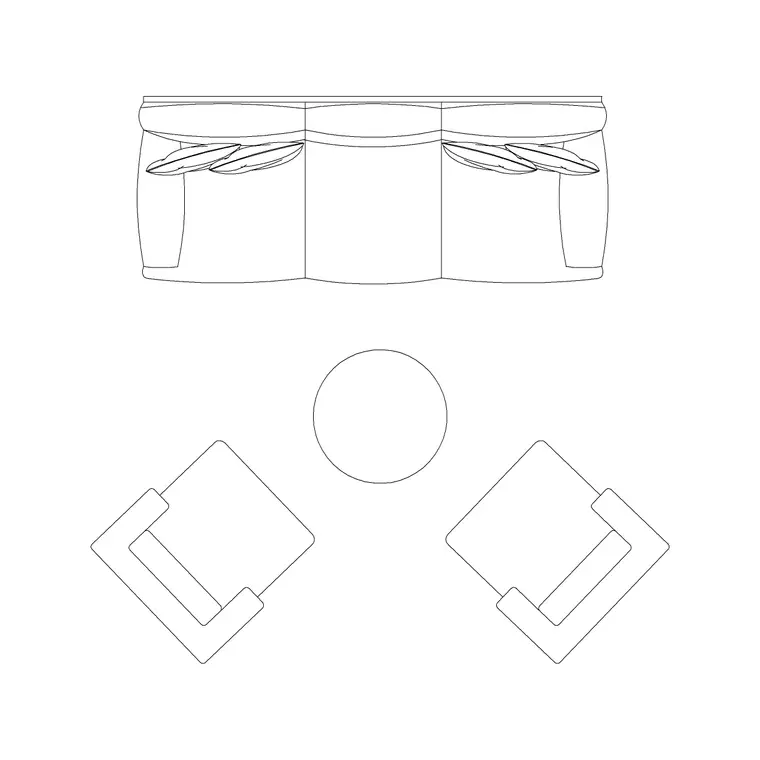
This is the post I wish more offices read before it happens
I get called in after a block library disaster more often than I get called in to prevent one, and the pattern is almost always the same, a shared library that took months or years to build, no real backup beyond whatever cloud sync happened to be running, and then one bad afternoon, a corrupted save, an accidental mass overwrite, a failed hard drive with no other copy, wipes out or corrupts a meaningful chunk of it. The rebuild after that is genuinely brutal, redrawing or re-downloading hundreds of blocks, trying to remember which custom edits existed on top of the originals, weeks of work that a proper backup habit would have made a non event.
Cloud sync version history is not a backup on its own
I covered this in more detail in the post on cloud storage gotchas, but it is worth repeating here because it is the single most common false sense of security I run into, Dropbox and OneDrive's built in version history typically only covers a rolling window, often thirty to ninety days depending on your specific plan, and if corruption or an accidental bad overwrite goes unnoticed past that window, which happens more often than you would think since not everyone touches every block regularly, the good version has already aged out and there is nothing left to roll back to.
A proper backup needs to be separate, automatic, and versioned
Separate means a different physical location or service than your primary working copy, so a single point of failure, a bad sync, a ransomware event, a failed drive, cannot take out both the working library and its backup at once. Automatic means it happens on a schedule without anyone needing to remember, a manual eventually I should back this up habit reliably fails exactly when it matters most, right before the incident nobody saw coming. Versioned means you can restore not just the most recent state but a specific point in time, since sometimes the problem is not that a file is missing, it is that a file is present but silently wrong, and only a dated backup lets you compare and recover the correct version.
A backup schedule that actually fits a block library
A daily incremental backup capturing anything that changed, retained for a rolling month, plus a weekly full snapshot retained for at least six months to a year, covers the realistic range of disaster scenarios for most offices, from a same day accidental overwrite up through a slow to notice problem that surfaces months later. This does not need expensive enterprise backup software, a scheduled task running a robocopy or rsync style mirror to a separate drive or a cheap cloud storage bucket, combined with your file server or NAS's own snapshot feature if it has one, covers this well for a single office without much ongoing cost.
Test the restore, not just the backup
A backup nobody has ever actually restored from is an assumption, not a safety net, and the number of offices I have seen discover their backup was silently broken, wrong folder, permissions issue, a script that stopped running months ago with nobody noticing, only at the moment they actually needed it, is higher than it should be. Pick a low stakes moment, not a crisis, and do a real test restore of a handful of blocks to a scratch folder, confirming the files open cleanly in AutoCAD and match what you expect, at least twice a year.
For a library sitting comfortably under a few gigabytes, which covers most furniture, fixture and hardware collections even well into the thousands of individual DWG files since each one is typically small, this entire schedule runs on genuinely cheap storage, a basic cloud storage tier or even a second internal drive dedicated purely to backup duty, so cost is rarely the reason offices skip this, it is almost always just that nobody set the scheduled task up in the first place and then forgot to circle back to it once the initial urgency passed.
Layer the backup with the other habits in this series
Backups work best alongside the version control and changelog habits covered in a separate post, since a changelog tells you what should be in the library at a given date, which makes verifying a restored backup far faster than just eyeballing file counts and hoping nothing important is missing. Combined with a single library owner controlling changes, a clean audit trail, and an actual tested backup schedule, a shared block library goes from something fragile that one bad afternoon can wreck, to something genuinely resilient that a hardware failure or an accidental delete barely dents.
Corruption rarely announces itself cleanly, sometimes a file simply refuses to open and AutoCAD offers to run RECOVER on it, which works more often than you would expect and is always worth trying first before assuming the file is a total loss. Other times the corruption is quieter, a block opens fine but a handful of entities are missing or distorted, geometry that looks almost right until you zoom in and notice a wall segment or a piece of furniture geometry has visibly warped, which is honestly the more dangerous version because it can sit unnoticed in a live library for months before someone catches it, usually when a drawing built from that corrupted block looks visibly wrong in a client review rather than at the point the corruption actually happened.
Keep the restore test itself boring and repeatable, the same handful of blocks each time, a sofa, a door, a lighting fixture, so you are comparing apples to apples across each test rather than randomly sampling different content and wondering whether a failure is a fluke or a real problem. I keep a short log of these test restores too, same habit as the changelog, date, what was restored, whether it opened cleanly, since a pattern of small recurring issues across several tests is a much stronger signal to fix the backup process than any single isolated hiccup.
The cheapest insurance in this whole series
Of everything covered across this series of posts, naming, auditing, version control, network paths, a solid backup is genuinely the cheapest to set up relative to what it protects against, a scheduled copy job and a bit of external storage cost very little compared to even a single week of a drafter's time spent reconstructing lost or corrupted content by hand. If your office has not gotten around to any of the other habits yet, start here, a working, tested backup does not fix a messy library, but it guarantees that whatever state the library is in right now, good or messy, is always recoverable, which is the one thing you genuinely cannot afford to be missing.
At the end of the day the whole point of building a shared library in the first place, whether it started from a curated free source or years of your own office's drafting, is that it saves time and keeps drawings consistent, and none of that value survives a bad afternoon with no way back, so treat the backup as part of the library, not an optional add on you get to eventually.
Further reading
Questions
Frequently asked
Is Dropbox or OneDrive version history enough backup for a block library?+
Not on its own, that history typically only covers a rolling window of thirty to ninety days, pair it with a separate, automatic, versioned backup so a slow to notice problem does not age out of recovery.
How often should a CAD block library be backed up?+
A daily incremental backup for recent changes plus a weekly full snapshot retained for six months to a year covers most realistic disaster scenarios for a typical office sized library.
How do I know my block library backup actually works?+
Test it, restore a handful of files to a scratch folder at least twice a year and confirm they open cleanly in AutoCAD, a backup that has never been restored from is an untested assumption, not a safety net.
Free downloads from this article

Free CAD block library
Download the blocks from this article — free, no signup