Your antivirus flags a downloaded DWG file: what's normal
A DWG or zip download getting flagged by antivirus is usually a heuristic false positive, but not always. Here's how to tell the difference and check safely.
Saumyajit MaityUpdated 22 March 20265 min read

Why DWG downloads get flagged more than you'd expect
The first time your antivirus quarantines a CAD block download, it's genuinely unsettling, you weren't expecting a security warning on a chair block, and the instinct is to assume the site or the file is compromised. In my experience the overwhelming majority of these flags on DWG and zip downloads from legitimate CAD block sites are heuristic false positives, meaning the antivirus isn't detecting a known virus signature, it's flagging the file because its behavior pattern loosely resembles something malicious, without actually confirming anything harmful is present.
DWG is a binary, somewhat opaque file format, and older or more aggressive antivirus engines sometimes treat any unfamiliar binary structure inside a zip with suspicion, especially if the file contains embedded data structures the scanner doesn't fully parse, which DWG's format does, with headers, object tables, and block definitions the scanner has no reason to understand. Zip files in general also trip more heuristic scanners than plain files, simply because zips have historically been a common malware delivery wrapper, so the packaging itself, not the DWG content, is sometimes what triggers the flag.
What a normal, low-severity flag looks like
If your antivirus labels the detection something generic like "Heuristic.Generic", "Suspicious.Cloud", or similar vague heuristic-sounding names, and doesn't name a specific known malware family, that's consistent with a false positive triggered by file structure rather than an actual detected threat. Many antivirus vendors, particularly the free consumer tiers, are tuned aggressively toward false positives on purpose, on the theory that flagging too much is safer for them than flagging too little, and CAD files, PDFs, and other binary document formats get caught in that net regularly across the industry, not just on any one download source.
It's also normal for different antivirus engines to disagree entirely on the same file, one flags it, three others clear it. That divergence itself is a strong signal you're looking at a heuristic guess rather than a confirmed detection, since real malware tends to get flagged consistently across most reputable engines once it's been seen and catalogued.
How to actually verify a file rather than just trusting the flag
The single best tool for this is a multi-engine scanner like VirusTotal, where you can upload the specific downloaded file and see how forty-plus different antivirus engines score it at once, rather than relying on just your one installed antivirus's opinion. If one or two engines flag it with vague heuristic names and the other thirty-eight clear it completely, that's about as close to certainty as you'll get that it's a false positive rather than a real threat, and it takes about thirty seconds to check.
If you see multiple reputable engines, not just one obscure one, flagging the exact same file with a specific named threat, that's a different situation entirely and worth taking seriously, delete the file and don't extract or open it, and consider re-downloading from the source fresh in case something happened in transit, or reporting it if it persists across attempts.
What's actually inside a legitimate CAD block download
It helps to know what you should be finding when you do open the file safely. A standard block download is just geometry data, lines, arcs, hatches, block definitions, layer information, and sometimes basic text styles, none of which carries executable code in the way a .exe or a macro-enabled document does. DWG doesn't support the kind of embedded scripting that makes Office documents a common malware vector, so structurally there's much less for a malicious actor to hide inside a plain block file in the first place, which is part of why the flags tend to be heuristic noise rather than confirmed detections when they show up on ordinary furniture, door, or site symbol blocks.
When to actually be cautious
None of this means you should ignore every antivirus warning by default, healthy skepticism is still the right instinct, just aimed correctly. Be more cautious if the downloaded file extension doesn't match what you expected, for example if a "DWG download" actually unzips to an .exe or a .scr file rather than a .dwg, that's a real red flag regardless of what any scanner says, since a genuine CAD block has no legitimate reason to be an executable. Also be cautious of sources that require you to disable your antivirus or run a special "downloader" tool before you can get the file, that's a pattern worth avoiding entirely, and a legitimate library should let you download the DWG directly with no extra software in the loop.
The practical routine I'd recommend
Keep your antivirus definitions current, that alone reduces false positives over time as vendors tune their heuristics against real-world files like DWGs that get flagged in error. If a download gets flagged, check the file extension inside the zip matches what you expected, run it through a multi-engine scanner if you want certainty rather than a guess, and treat a single vague heuristic flag very differently from multiple engines naming a specific known threat. That distinction, one engine's guess versus several engines' agreement, is really the whole decision tree, and it takes less time to check properly than it does to sit there worrying about it.
One more habit worth building if you download blocks regularly from any external library, keep a mental note of which sources have triggered false positives for you before, since a pattern of repeated flags from the same trusted source over months is a reasonable signal to check that source's antivirus reputation once, rather than re-litigating the same question every single download.
If you're sending a downloaded block to a colleague by email rather than having them download it directly, it's worth knowing that corporate email gateways typically apply much stricter automatic scanning to zip attachments than your desktop antivirus does, and a file that downloaded and opened without any complaint on your machine can still get stripped or quarantined silently by the recipient's email server before it ever reaches their inbox. If a colleague says they never received a block you emailed them, check with their IT team about attachment filtering before assuming anything went wrong on your end, and sharing a direct link to the source page instead of an email attachment sidesteps this entirely.
One more practical habit for anyone downloading blocks regularly for a team, keeping a shared internal note of which sources have been vetted and cleared before is worth setting up once a team grows past one or two people, since it turns a question that would otherwise get re-asked individually by every new team member into something answered a single time and referenced afterward.
Further reading
Questions
Frequently asked
Is it normal for a DWG download to get flagged by antivirus?+
Yes, reasonably common, particularly by aggressive heuristic scanners reacting to DWG's binary structure or the zip wrapper itself, rather than to any actual malicious content in a plain geometry file.
How can I check if a flagged file is actually dangerous?+
Upload it to a multi-engine scanner like VirusTotal. If only one or two engines flag it with vague heuristic names and most clear it, that's consistent with a false positive rather than a real threat.
What should actually worry me about a CAD block download?+
If the file extension inside the zip doesn't match what you expected, for example an .exe instead of a .dwg, or if the source asks you to disable your antivirus to download, those are genuine red flags worth avoiding. Beyond that, only whitelist a source permanently in your antivirus after verifying a real pattern of false positives, not just to stop the interruptions.
Free downloads from this article
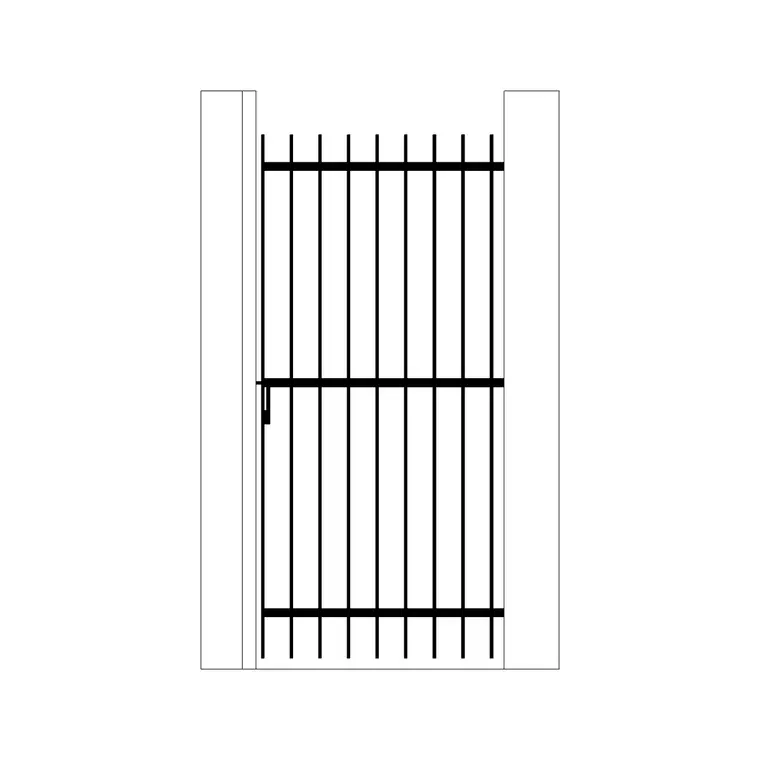
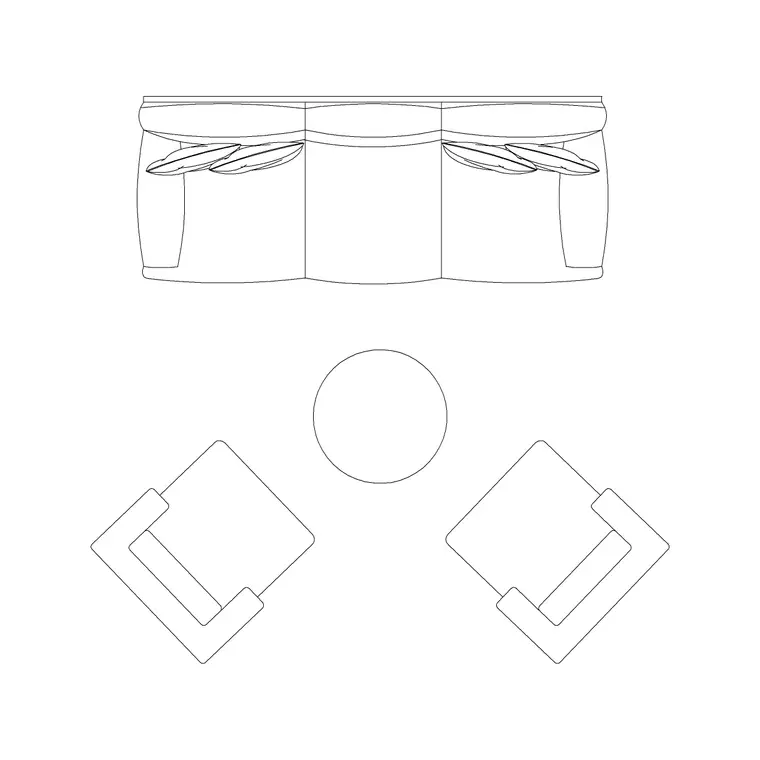
Free CAD block library
Download the blocks from this article — free, no signup