Where to find free outdoor bench / seater DWG files
Where to source free outdoor bench and multi-seater DWG blocks, how to read the plan footprint, and how to place them with realistic clearances.
Sumana KumarUpdated 28 June 20264 min read
Why outdoor seating belongs on the plan
Benches, seaters and outdoor sofas are what turn a paved area into a place people linger. On a landscape or site plan they do real work: they show where people are meant to sit, they test whether a terrace has room for furniture and circulation at the same time, and they communicate the character of a space to a client far better than an empty slab does. A garden that shows seating reads as designed; a bare courtyard reads as unfinished.
The seating you need outdoors is its own family — weatherproof benches, multi-seater outdoor sofas, swing seats — sized a little more generously than indoor furniture. A ready-made block hands you a correctly proportioned footprint so you can place it, check the clearance around it, and know the terrace actually works before a single paver is laid.
Where they live on CADBlockDWG
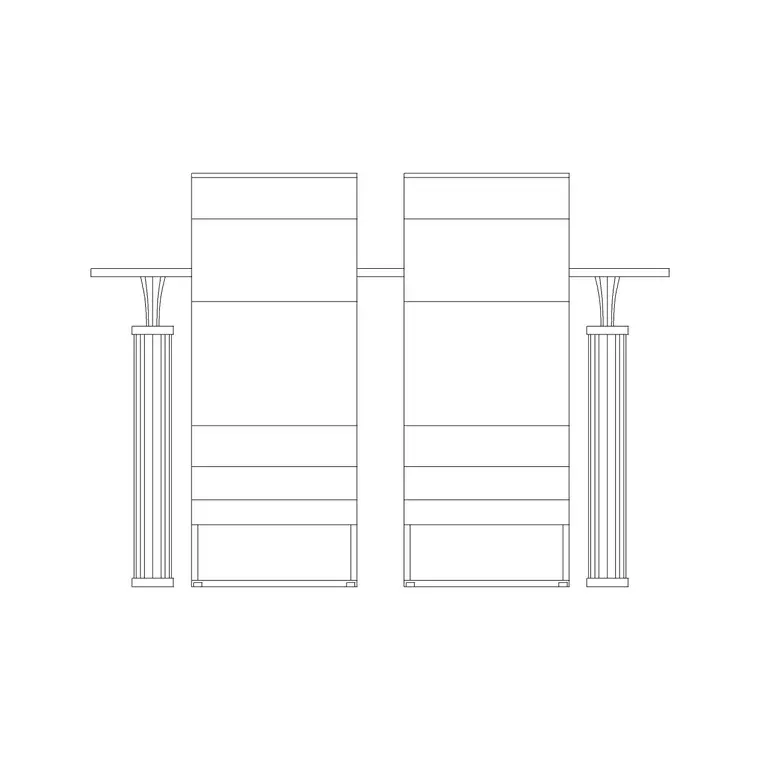
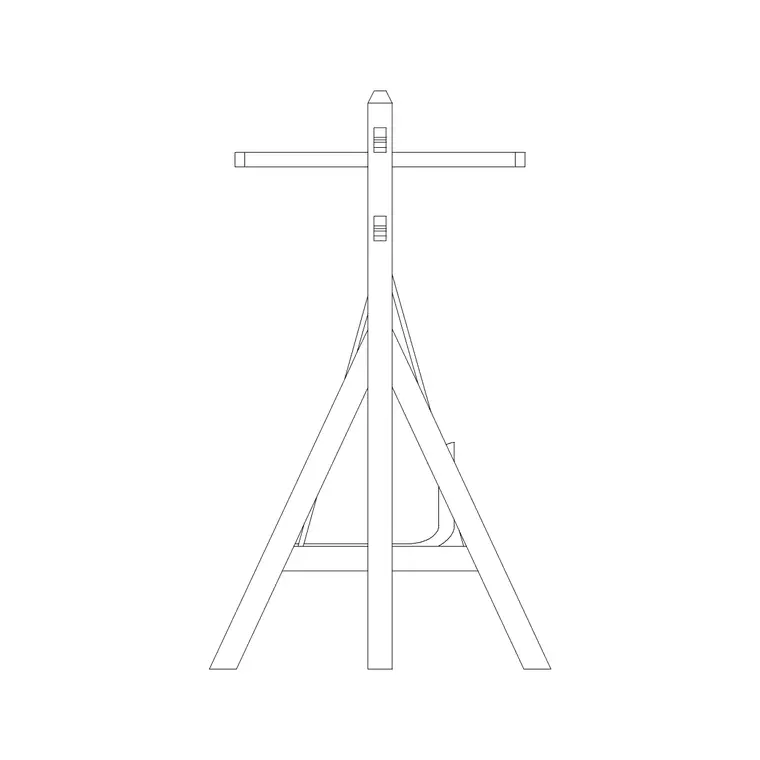
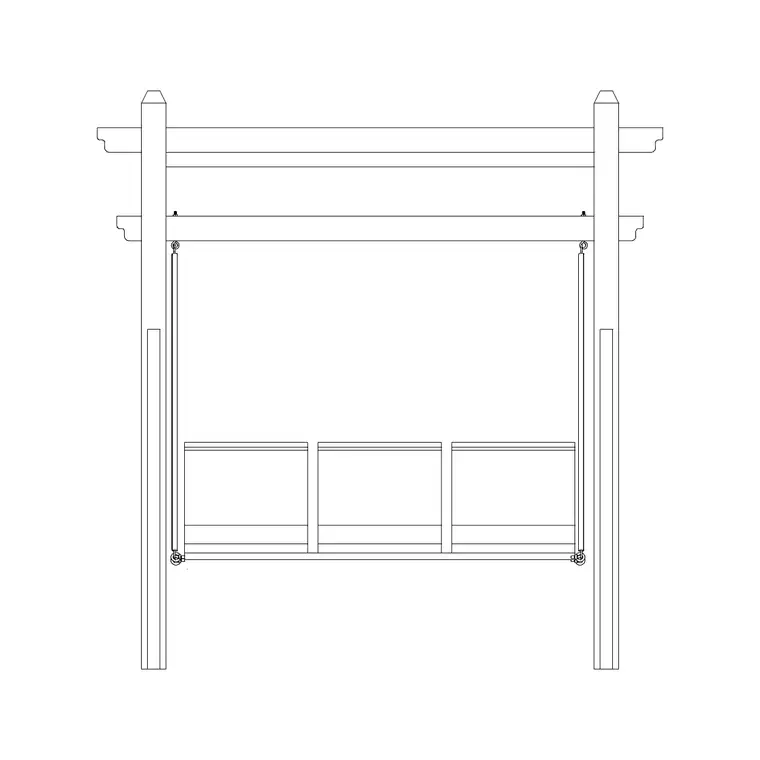
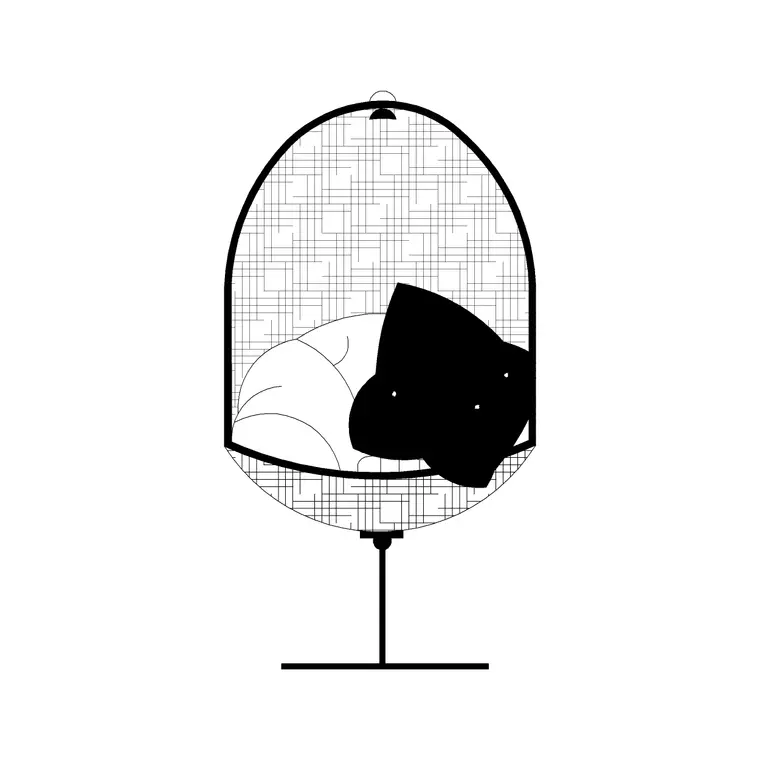
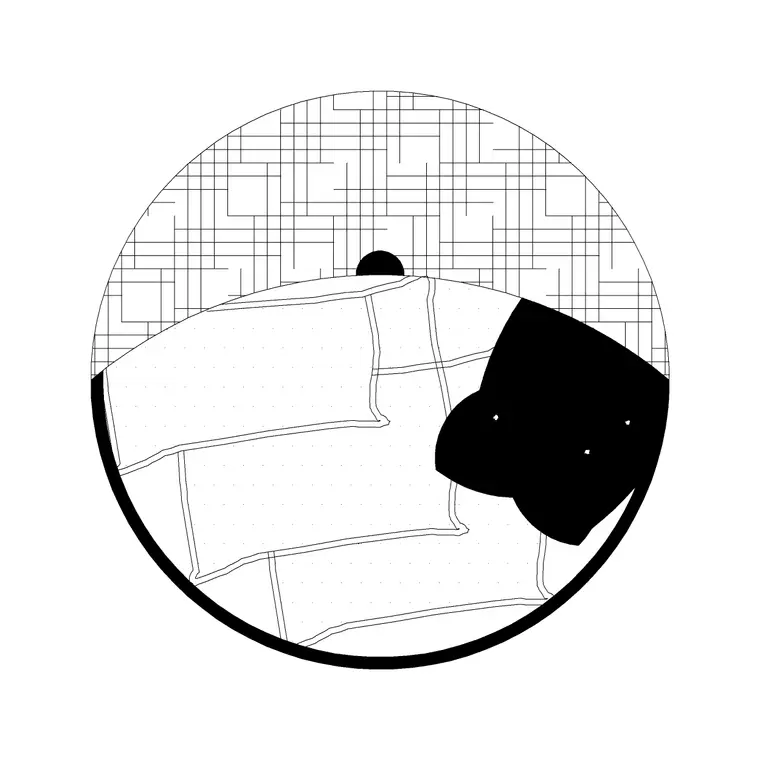
Outdoor seating sits in the Outdoor category. Inside it you will find multi-seater outdoor blocks — the 3 Seater Ls and 3 Seater Fr blocks are three-person outdoor seaters / swing sofas — along with benches, swing chairs and other garden furniture when you browse or search. Search terms like 'bench', 'seater', 'outdoor sofa' or 'garden seating' surface the relevant files quickly.
Every block is a free DWG download with no account required, and the licence covers commercial use, so seating you place in a paid landscape job carries no strings. The previews let you judge the footprint and style before downloading — a three-seater bench and a three-seater swing sofa occupy very different spaces, so the thumbnail matters. Grab a couple of options and try them in the actual layout; they cost nothing and you can purge whichever you do not keep.
Reading the plan footprint
Outdoor seating blocks are usually supplied as plan (top-down) geometry, because that is the view a site plan needs. A three-seater bench or sofa reads as a long rectangle with a back line and seat divisions; a swing seater reads as the seat plus the frame footprint around it. Before you rely on the block, open it and measure it with DIST: a three-seater outdoor sofa or bench is commonly somewhere around 1800 to 2100mm long, but verify against the actual file rather than assuming, since outdoor pieces vary widely.
Knowing the true footprint is what lets you reason about the space honestly. If the block measures correctly you can trust the clearances you draw around it; if it is mis-scaled, every spacing decision downstream is wrong. A common gotcha with outdoor pieces is depth: a deep-cushioned outdoor sofa can be 800 to 900mm front to back, noticeably more than a slim bench, and that extra depth eats into the circulation behind it. So measure both the length and the depth, correct units if needed, and only then start arranging seating in the layout.
Placing seating with real clearances
Insert the block with INSERT, snap it to a sensible reference such as the edge of a terrace or a paving joint, and leave scale at 1 until you have confirmed the size. Correct any units mismatch with INSUNITS or a SCALE of 0.001 / 1000. Then think about the space the seating needs to function: allow a comfortable route past seated people — roughly 900mm or more of clear circulation — and leave room in front of a bench for legs and feet, and behind a swing seat for it to move.
Rotate seating to face the view, the focal point, or each other for a conversational grouping, rather than leaving everything orthogonal to the grid. A small amount of considered rotation makes an outdoor space read as a designed environment instead of a furniture showroom. Keep the seating on a furniture or landscape layer so you can dim or recolour it independently when you produce a hardscape-only or planting-only sheet.
Building a believable outdoor scene
Seating rarely sits alone, and a plan reads best when the furniture is part of a coherent scene. Pair benches and outdoor sofas with the other Outdoor blocks — planters, flower beds, fences, a swing chair as a feature — so the space tells a story rather than showing isolated objects. Vary the seating types a little; three identical benches stamped in a row read as a bus stop, whereas a bench, a swing seat and a small grouping read as a garden.
After importing, run AUDIT and PURGE to keep the drawing clean, and check that each block sits on a layer you can control. Because these are blocks rather than loose lines, you can copy a successful seating-and-planter grouping to repeat it elsewhere on the site in one move, which is a real time-saver on a scheme with several similar terraces. If you are presenting the layout, a light shadow or a subtle ground hatch under each piece helps the seating sit on the paving rather than floating above it, and it costs only a moment to add. Sourced from the Outdoor category, measured for true footprint, and placed with honest clearances, free bench and seater DWGs let you furnish a terrace or garden quickly and prove it works at the same time.
Questions
Frequently asked
Where can I find free outdoor bench and seater DWG files?+
In the Outdoor category on CADBlockDWG — three-seater outdoor sofas, benches and swing seaters, all free DWG downloads with no signup, free for commercial use.
How long is a three-seater outdoor bench block?+
Typically around 1800–2100mm in plan, but measure the downloaded block with DIST to confirm, as outdoor seating varies widely in size.
How much clearance should I leave around outdoor seating?+
Allow roughly 900mm or more for circulation past seated people, plus room in front for legs and behind a swing seat for it to move.
Free downloads from this article
Free CAD block library
Download the blocks from this article — free, no signup