How to clean up proxy and unwanted objects in a downloaded DWG
Proxy objects, stray geometry and off-screen junk ride along in downloaded DWGs. Here's how to remove proxies, wipe-outs and orphaned data for a clean file.
Sumana KumarUpdated 1 June 20264 min read
Deal with proxy objects first
When a file opens with a proxy notice, you have a few options. The simplest is the system variable PROXYNOTICE and the related PROXYGRAPHICS settings, but the real cleanup tools are the commands that strip proxies out. Try -PURGE and look for the option to purge zero-length geometry and empty objects; for proxies specifically, exploding them sometimes converts a proxy into ordinary geometry you can keep, while in other cases you simply want them gone.
The most thorough route for stubborn custom objects is to save the file out as a plain DWG or round-trip it through DXF, which often drops the proprietary proxy data and leaves you with clean, editable geometry. If a proxy represents something you do not need at all — a piece of furniture from a discipline you are not drawing — just select and delete it. The goal is a file containing only standard AutoCAD entities you can see, select and edit normally.
Find stray geometry hiding off-screen
A classic problem with downloaded blocks: the block looks small on screen, but the file behaves as if it is enormous. The cause is usually a stray object — a single line, a forgotten construction point — sitting thousands of units away from the block. Type ZOOM then E (Extents) and the view jumps out to include everything in the drawing; if the block suddenly looks tiny in a vast empty space, there is junk out there.
To clear it, ZOOM Extents to reveal the stray objects, window-select the empty area away from your block, and delete what you find. The QSELECT (Quick Select) command helps too — you can select all objects of a given type, or everything on a suspicious layer, and remove them in one go. Once the only thing left is the block you want, ZOOM Extents should frame it tightly, which is the sign the file is clean.
Sometimes the stray object is a single point or a tiny dot you cannot see even when zoomed in on it. Two tools help here: SELECTSIMILAR lets you pick one point and then select every other point in the drawing at once, and the -PURGE option for zero-length geometry and empty objects sweeps up the invisible specks that PURGE's dialog does not list. Run both and the phantom extents collapse back to the block itself. It is worth fixing properly rather than ignoring, because a block with junk thousands of units away will misbehave on insertion too, throwing your host drawing's extents out the moment you place it.
Remove duplicates and wipe-outs with OVERKILL
Downloaded geometry often contains duplicates — lines drawn precisely on top of one another, or segments that overlap. These do not show visually but they double up your geometry, snap ambiguously, and bloat the file. The OVERKILL command is built for this: run it, select all the geometry, accept the defaults (or tighten the tolerance), and it deletes duplicate and overlapping objects, optionally combining collinear segments into single lines. It is one of the most satisfying cleanup commands because the drawing looks identical afterwards but is genuinely leaner.
Watch also for WIPEOUT objects — opaque masks that hide whatever is behind them. A downloaded block may include a wipe-out you do not want, which can mask your own geometry once inserted. Select it (toggle frames on with the WIPEOUT command's Frames option if you cannot see its edge) and delete it. Between OVERKILL for duplicates and a manual sweep for wipe-outs, you remove the two most common forms of invisible clutter.
Finish with AUDIT, PURGE and a saved clean copy
After removing proxies, stray geometry, duplicates and wipe-outs, run AUDIT with the fix option to repair any database errors the cleanup exposed, then PURGE All (twice, with nested items ticked) to strip the now-unused layers, styles and orphaned data. For the deepest clean, -PURGE lets you also remove Regapps left behind by the foreign software that created the proxies in the first place.
Save the cleaned file over your download, or into your library, so the lean version is the one you keep and reuse. A block that has been through proxy removal, an off-screen sweep, OVERKILL and AUDIT-PURGE is genuinely clean — it contains only the geometry you want, it is light, and it will not surprise you with masked objects or phantom extents when you insert it. Make this the routine for any download that opens with a proxy notice or behaves oddly, and you keep that contamination out of your live drawings entirely.
Questions
Frequently asked
How do I remove proxy objects from a downloaded DWG?+
Try exploding them to convert to standard geometry, delete any you don't need, and run -PURGE for zero-length and empty objects. For stubborn custom entities, saving the file out as plain DWG or round-tripping through DXF often drops the proxy data entirely.
Why does my drawing zoom out to a huge empty area?+
There's stray geometry parked far from your block. Run ZOOM Extents to reveal it, then window-select the empty area away from your block and delete the strays. ZOOM Extents should then frame the block tightly.
What does the OVERKILL command do?+
OVERKILL deletes duplicate and overlapping objects — lines drawn on top of each other, overlapping segments — and can merge collinear lines. The drawing looks identical afterwards but is leaner, with no ambiguous snaps from doubled-up geometry.
Free downloads from this article
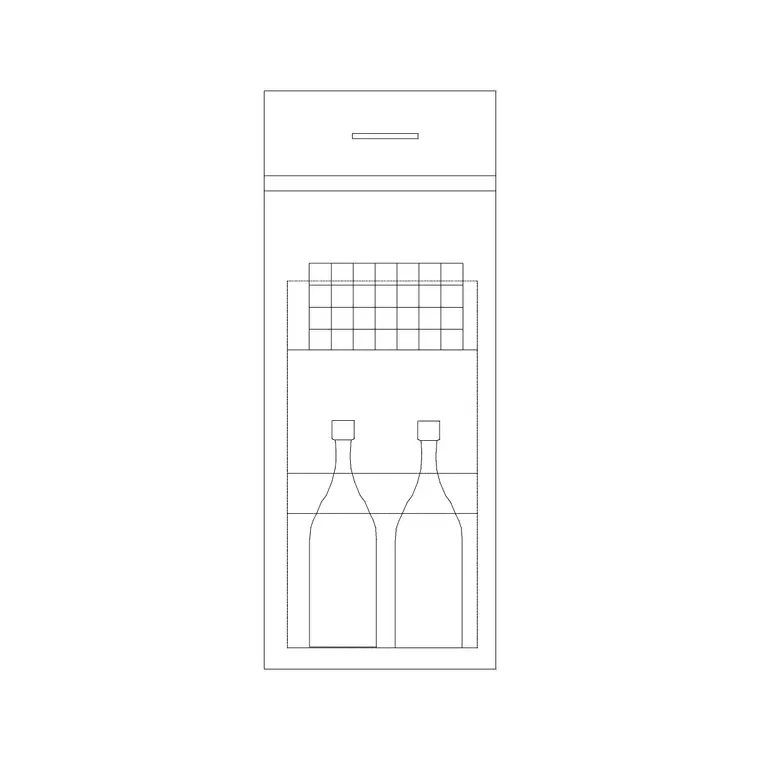
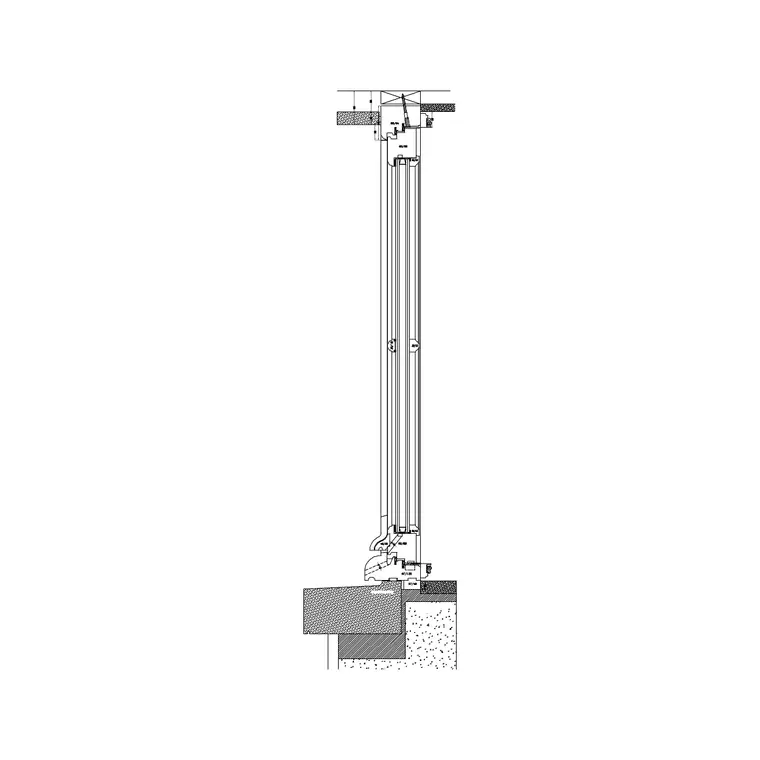
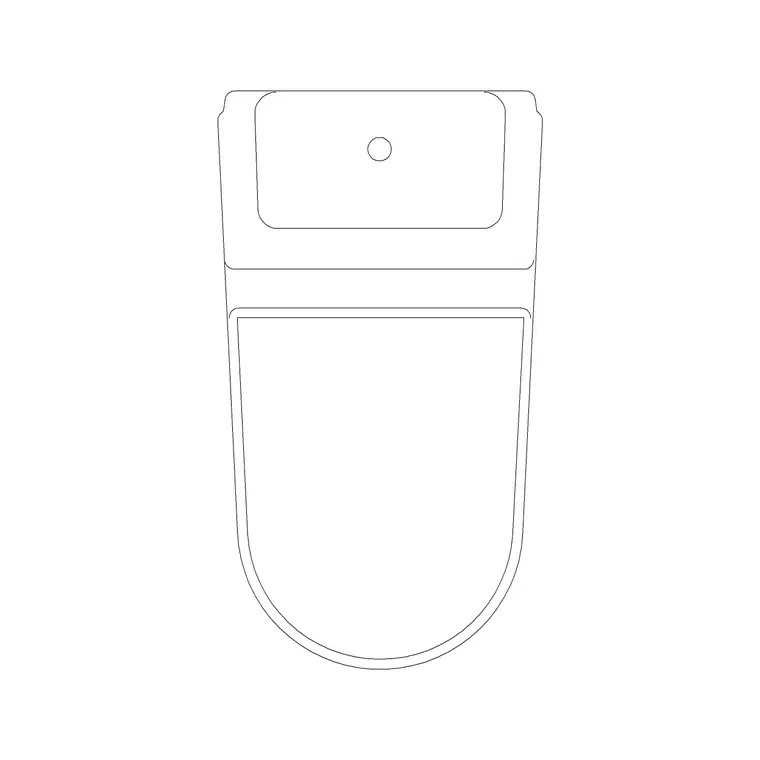
Free CAD block library
Download the blocks from this article — free, no signup