DWG vs DXF for bathroom fixtures: which to download
WCs, basins, baths and showers are simple plan geometry that opens fine as DWG. Here is when a bathroom-fixture DXF helps, and how to lay fixtures out cleanly.
Sumana KumarUpdated 20 April 20264 min read
For bathroom fixtures, download the DWG
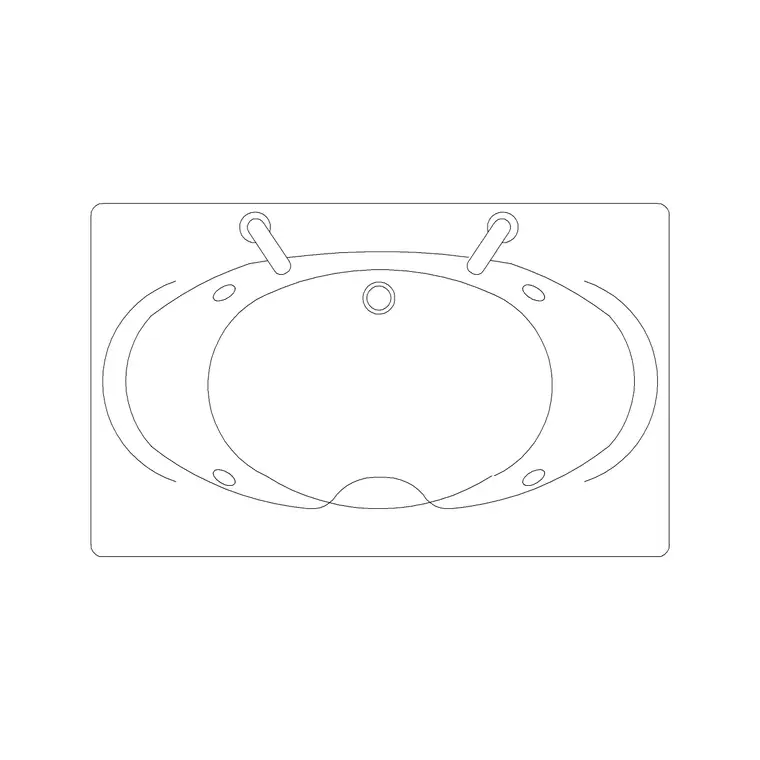
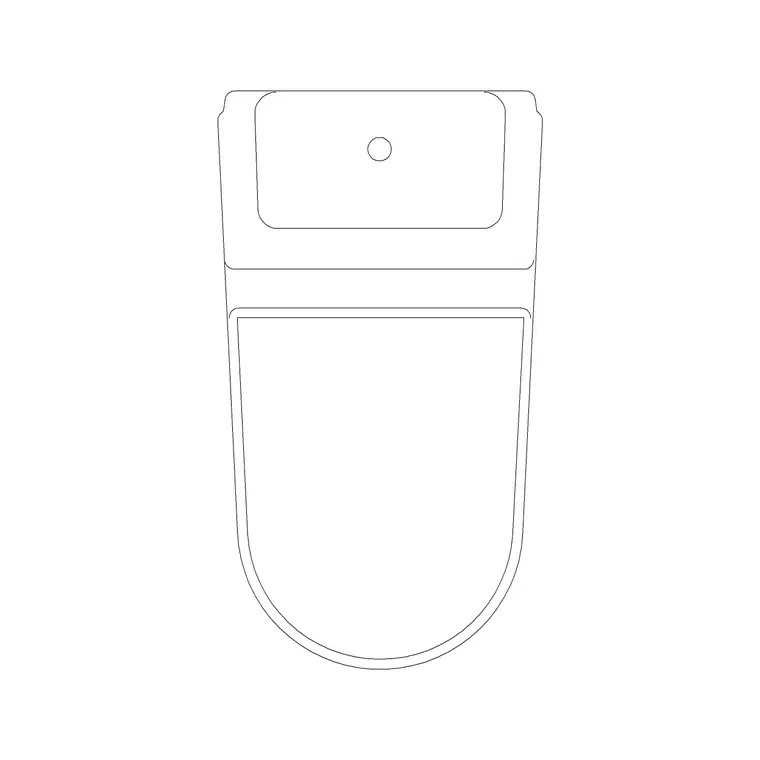
A WC, a basin, a bath, a shower tray — these are clean, well-defined plan-view objects, the kind of ordinary 2D geometry DWG handles best. So for almost everyone laying out a bathroom, the fixture block to download is the DWG: compact, native, and opened cleanly by every mainstream CAD tool. Our Bathroom category serves these sanitaryware blocks as free DWG downloads with no signup and free commercial use.
DXF only comes into play if your software is outside the AutoCAD family and stumbles on DWG — it is a compatibility fallback, not a quality upgrade. In a normal architectural or interiors workflow that is uncommon, so default to the DWG and keep DXF in reserve for the rare program that needs it.
Same fixture, different container
Whether you download a toilet or a basin as DWG or DXF, the outline is the same vector geometry. A WC pan footprint is roughly 700mm deep by 400mm wide, a standard bath about 1700 by 700mm, a shower tray commonly 900 by 900mm — and those measure identically in either format. Neither gives you a 'better' fixture; only the file container changes.
DWG is binary and compact; DXF is usually text and larger but maximally portable thanks to its open specification. For sanitaryware the size difference is negligible and there is essentially no feature loss in DXF, because fixtures are simple static blocks rather than complex parametric objects. So the format choice is purely about what your downstream software reads most happily, with the geometry guaranteed identical.
When a bathroom-fixture DXF makes sense
Download the DXF when fixtures have to enter non-AutoCAD software — an older 2D drafting app, a lightweight editor, or a bathroom-planning tool that reads DXF more reliably than DWG. If a basin or bath block opens as nonsense or throws an 'unsupported format' error, the DXF version usually resolves it immediately.
DXF is also the safer handoff to a collaborator whose toolchain you cannot confirm, or if a fixture outline is feeding a CNC or laser process — for example cutting a vanity top or a template — where fabrication tooling speaks DXF natively. For routine plan-view sanitaryware placed in an AutoCAD or DWG-native drawing, none of this applies, and the DWG is the simpler, smaller choice.
Laying out fixtures with correct clearances
Download the fixture, INSERT it, and snap it to the wall line — most sanitaryware sits against a wall, so a good block has its base point on the back edge for clean placement. Then check the clearances that make a bathroom usable, because correctly scaled blocks let you read these straight off the plan: allow roughly 200mm either side of a WC centreline, about 600 to 700mm of clear space in front of a WC and basin, and a clear access zone to a bath or shower.
If a fixture comes in oversized or invisible, that is a units mismatch, not a format defect — set INSUNITS consistently or SCALE by 0.001 or 1000, then dimension the fixture against the reference sizes above to confirm. Keep sanitaryware on a fixtures or sanitary layer, ideally with blocks on layer 0 so they inherit it and plot with the right lineweight.
Plan and elevation fixtures work together
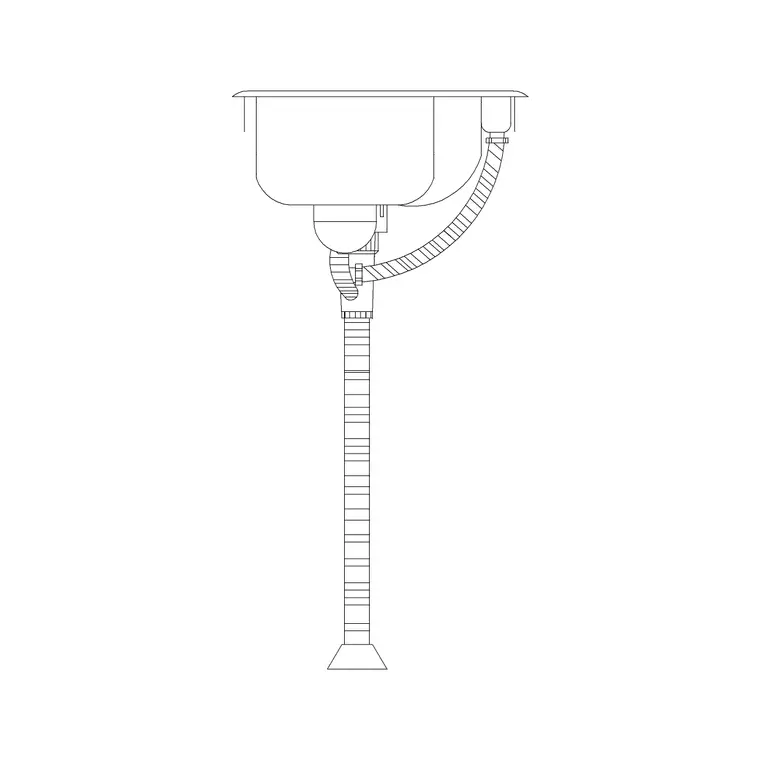
Bathrooms, like kitchens, are rooms where the plan never tells the whole story, so you will reach for both plan and elevation fixture blocks. The plan sets out positions and clearances; the elevation shows mounting heights — the rim of a basin, the height of a WC, a shower head, a mirror — which is where a bathroom becomes buildable. The format advice is identical for both views: DWG by default, DXF only when a program demands it.
When you draw the elevations, the standard mounting heights are well established and worth knowing: a basin rim around 800 to 850mm above the floor, a WC seat about 400 to 450mm, a shower head roughly 2000mm or higher. Free elevation fixture blocks drawn to those heights let you confirm the vertical layout reads correctly alongside the plan. Match the view to the drawing — a plan fixture symbol does not belong on an elevation — and keep both on the sanitary layer so the whole bathroom package stays coordinated.
What to download for bathrooms
Take the DWG for any bathroom fixture you are placing in AutoCAD or a DWG-native program — it is smaller, native and fully supported. Switch to DXF only when sanitaryware must cross into non-AutoCAD software, or when an outline is headed for CNC or laser fabrication. The fixture geometry is identical in both, so there is no quality cost to switching when a program demands it.
When a fixture file misbehaves in an unusual tool, round-trip it through a free converter to the other format and the issue usually clears. With the format settled, the real work is layout: fixtures against the wall, honest clearances around the WC, basin, bath and shower, all on a tidy sanitary layer. Get those right and the bathroom reads correctly and works in reality.
Questions
Frequently asked
DWG or DXF for bathroom fixture blocks?+
DWG for normal AutoCAD or DWG-native work — it is smaller and native. Use DXF only if your software can't read DWG, or a fixture outline is going to CNC/laser fabrication like a vanity top.
Will a DXF change my WC or basin block?+
No. Sanitaryware blocks are simple static geometry that round-trips between DWG and DXF cleanly. The outlines measure and plot the same in either format.
What clearances should I leave around bathroom fixtures?+
Roughly 200mm either side of a WC centreline, 600-700mm clear in front of a WC and basin, and a clear access zone to the bath or shower. Correctly scaled blocks let you check these on the plan.
Free downloads from this article
Free CAD block library
Download the blocks from this article — free, no signup