Preparing a CAD block library for a multi-platform firm
How to structure and standardize a downloaded CAD block library so it holds up cleanly for a firm running more than one CAD platform.
Saumyajit Maity6 min read
This is a standards problem before it's a software problem
I've helped a few firms think through this exact situation, growing past the point where everyone sits on the same CAD seat, usually because a merger brought in a team running different software, or because licensing costs pushed part of the staff onto a cheaper DWG-compatible alternative. The mistake I see most often is treating this as purely a technical compatibility question, when really the block library itself is only half the equation, the other half is a standard everyone actually follows regardless of which program they open it in.
The firms that get this right tend to treat it the same way they'd treat any other operational standard, drawing naming conventions, file backup policy, rather than as a purely technical IT concern to be solved once and forgotten about.
Start from the lowest common denominator on purpose
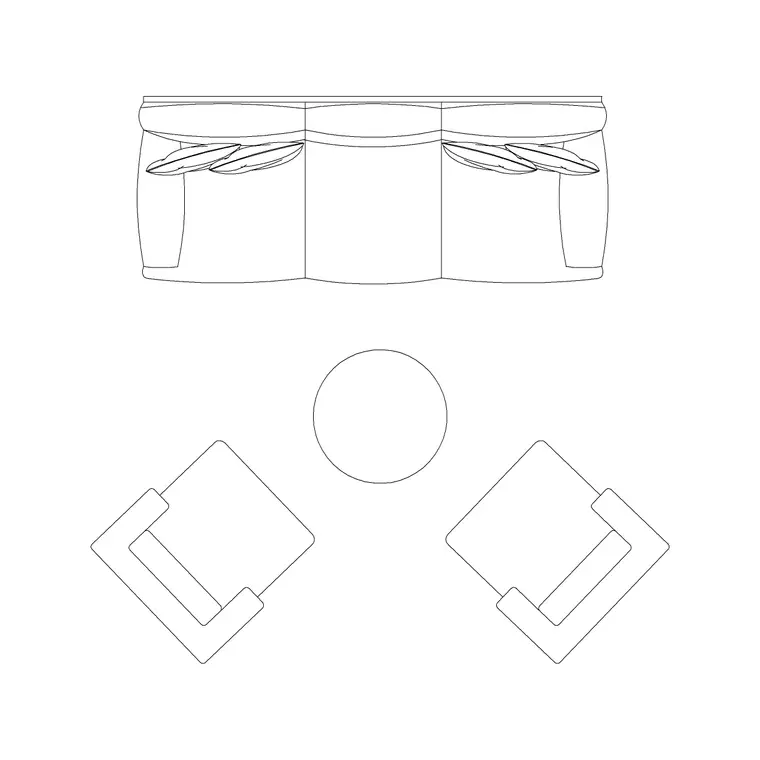
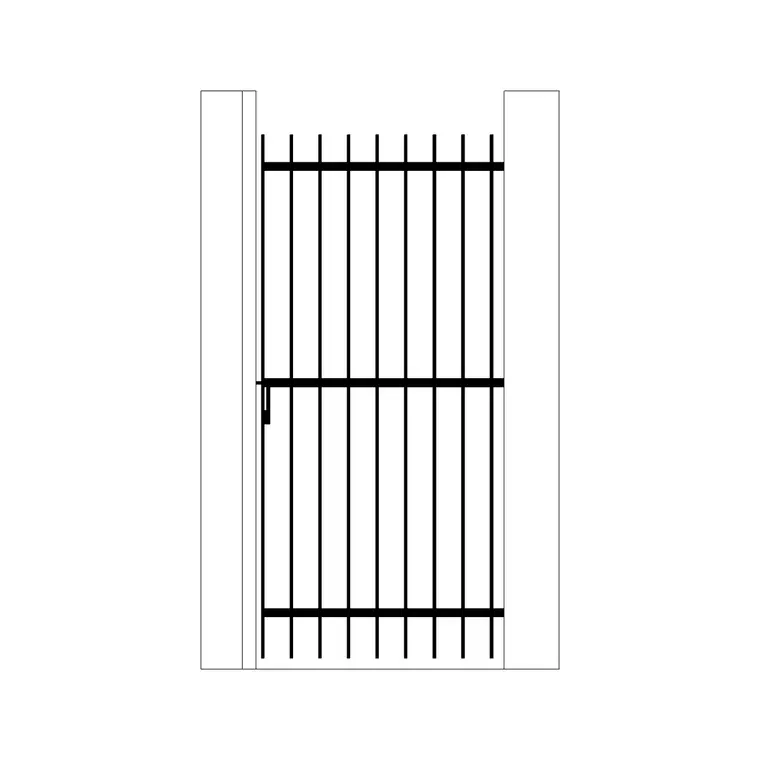
Whatever program in your mix has the most restrictions, often AutoCAD LT if it's in the platform lineup, since it has no 3D solids and no scripting layer, should set the baseline for what the shared library assumes it can rely on. Build or curate the library around plain 2D geometry, standard fonts, standard linetypes, and avoid features that only exist on the more capable end of your platform mix. A downloaded block like our Sofa Set Plan 1 or the Iron Gate, built as clean 2D content from the start, is exactly the kind of thing that fits this approach without any rework, which is worth checking for before you spend time modifying a block that's already fine as is.
This baseline-first approach also has the benefit of being easy to explain to non-technical stakeholders, a practice manager or a firm principal doesn't need to understand DWG internals to grasp the logic of building for your most restricted platform first and letting everyone else inherit that compatibility for free.
Layers, colors and naming as a firm standard, not a suggestion
Write down a layer naming convention, something structured and consistent, A-FURN for furniture, A-DOOR for door and gate hardware, and specify colors as ACI values rather than true color so every program in your mix renders them identically. Distribute this as an actual document, not tribal knowledge passed down between senior staff, and enforce it during drawing review the same way you'd enforce any other quality standard. This is the single highest-leverage thing you can do, more than any specific technical setting, because it's the piece that keeps drawings coherent regardless of which of your platforms produced them.
I've seen firms resist writing this down because it feels like unnecessary bureaucracy for something drafters should just know, but the moment your team spans more than one CAD platform, unwritten conventions stop transferring reliably, and a document that takes an afternoon to produce ends up saving weeks of accumulated small frustrations.
It's worth building the standard as a living document too, something stored where every new hire finds it in their first week rather than a PDF buried in a shared drive nobody revisits after the initial rollout, and revisiting it once or twice a year as the platform mix in the firm shifts, since a standard written for two platforms can quietly become outdated the moment a third one enters the mix through a new hire's existing software preference or a client mandate on a specific project.
Document units and base points instead of assuming them
A block's insertion base point and its stored drawing units, tracked internally as the INSUNITS system variable, should be documented somewhere your whole team can see, not left as tribal knowledge that only the person who built the block actually knows. When a new hire on a different platform than the block's original author needs to insert something and gets a wildly wrong scale, it's almost always because units weren't communicated clearly, not because the software failed to handle them correctly.
A short note on each library entry, drawn in millimeters, base point at the bottom left corner, takes seconds to add when the block first enters the library and removes an entire category of confusion for whoever inserts it next, regardless of which platform they're working from.
Keep a vanilla master, and platform copies only if you truly need them
For the overwhelming majority of 2D content, a single vanilla version of each block, built with the cross-platform habits already covered, standard fonts, layer 0, ByLayer properties, works identically across every DWG-compatible program without needing separate versions. Reserve platform-specific variants for the rare case where a block genuinely needs a feature only one platform's dynamic block or parametric system handles well, and even then, keep the vanilla version as the default so you're not doubling your library's maintenance burden for an edge case.
Maintaining two versions of every block sounds manageable in theory but tends to fall apart in practice, since someone eventually updates one version and forgets the other, so I'd genuinely limit platform-specific variants to only the handful of cases where they're truly earning their keep.
When I have kept a platform specific variant, it's almost always been for a genuinely dynamic component, something with several configurable states baked into one block using a parameter system unique to one platform's dynamic block engine, rather than for anything as straightforward as a static piece of furniture or hardware geometry. For content that simple, there's rarely a good reason to fork it at all, the vanilla version already does the job on every platform in the mix without any extra maintenance overhead.
Where DXF earns its place in the mix
If your firm also works with software outside the core DWG-compatible cluster, a BIM-focused tool like Revit for larger projects, or a 3D visualization tool, keeping a DXF export of key library blocks alongside the DWG originals is worth the small extra effort. DXF is a documented, published interchange format, which tends to make it the more reliable bridge into software that isn't primarily built around DWG, even though it's a plainer, less feature-rich format than native DWG for anything staying purely inside the AutoCAD-compatible world.
This extra export step is genuinely worth reserving for your core, most frequently used blocks rather than the whole library, since maintaining a DXF alongside every single DWG adds real overhead that's only worth paying for the content that actually crosses into that wider software ecosystem regularly.
Roll it out gradually, not as a firm-wide mandate overnight
Pilot the standardized library with one project team spanning your different platforms before pushing it firm-wide, and use whatever friction shows up in that pilot to refine the layer standard or catch a font that turns out to be less universal than you assumed. At the end of the day a multi-platform firm's block library succeeds or fails based on whether the standard behind it is actually followed day to day, not on any single clever technical fix, so give the rollout the same care you'd give any other change to how the whole office works.
Once the pilot team has run a real project through it without major friction, the rest of the rollout tends to go quickly, mostly because everyone else can point to a finished example rather than having to trust an untested standard on faith.
Further reading
Questions
Frequently asked
Should a firm running multiple CAD platforms keep separate block libraries per program?+
Generally no. A single vanilla library built with standard fonts, layer 0 geometry and ByLayer properties works identically across DWG-compatible platforms. Platform-specific variants should be the rare exception, not the default.
What's the most important standard for a multi-platform block library?+
A documented, consistently enforced layer naming and color convention. It matters more than any individual technical setting because it's what keeps drawings coherent regardless of which platform produced them.
Is DXF worth keeping alongside DWG for a multi-platform firm?+
It's worth it if the firm also works with software outside the core DWG-compatible cluster, such as BIM or 3D visualization tools, since DXF is a documented interchange format that tends to bridge into that wider software ecosystem more reliably.
Free downloads from this article
Free CAD block library
Download the blocks from this article — free, no signup