10 best free toilet & WC CAD blocks to download (2026)
Ten free DWG toilet and WC blocks for bathroom plans in 2026 — close-coupled, wall-hung and one-piece pans, plus the clearances every layout needs.
Saumyajit MaityUpdated 29 March 20264 min read
Small fixture, strict clearances
The WC is a small block but it governs whether a bathroom is usable. Building regulations and basic ergonomics demand real space around the pan: roughly 200mm from the centre of the bowl to a side wall, and around 600mm of clear space in front. A toilet drawn without that breathing room produces a bathroom nobody can comfortably use, so an accurate block is more than decoration.
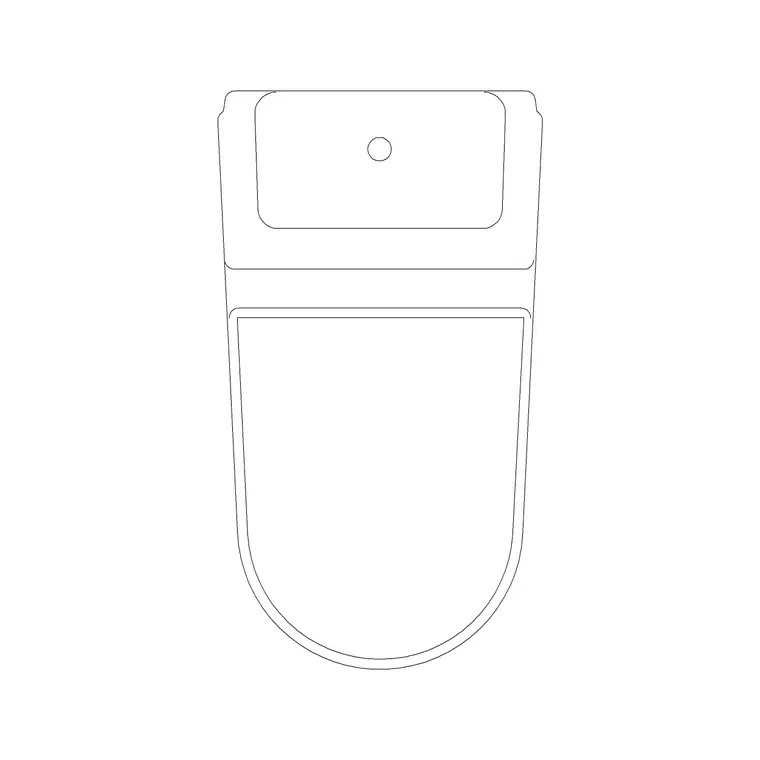
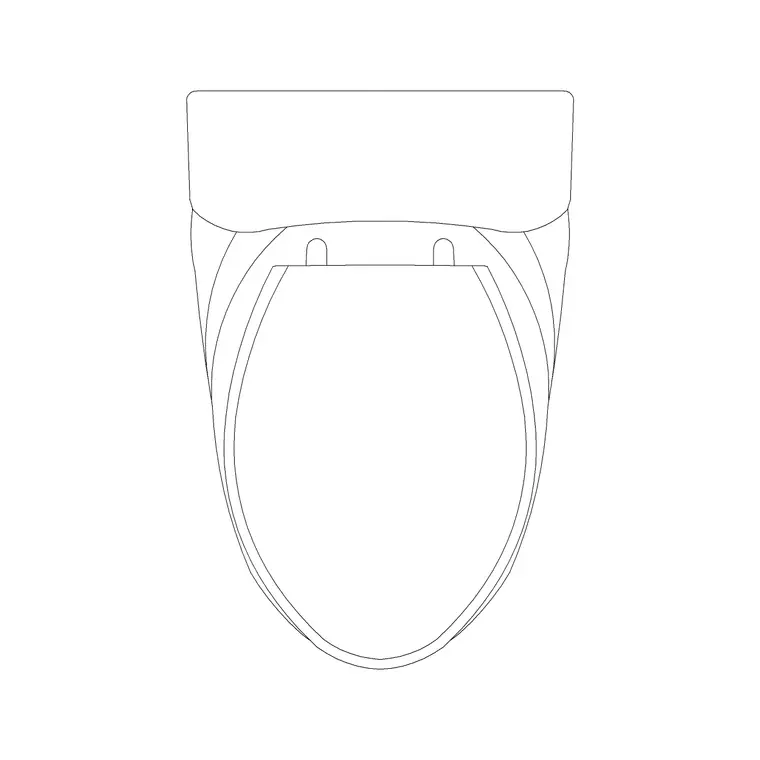
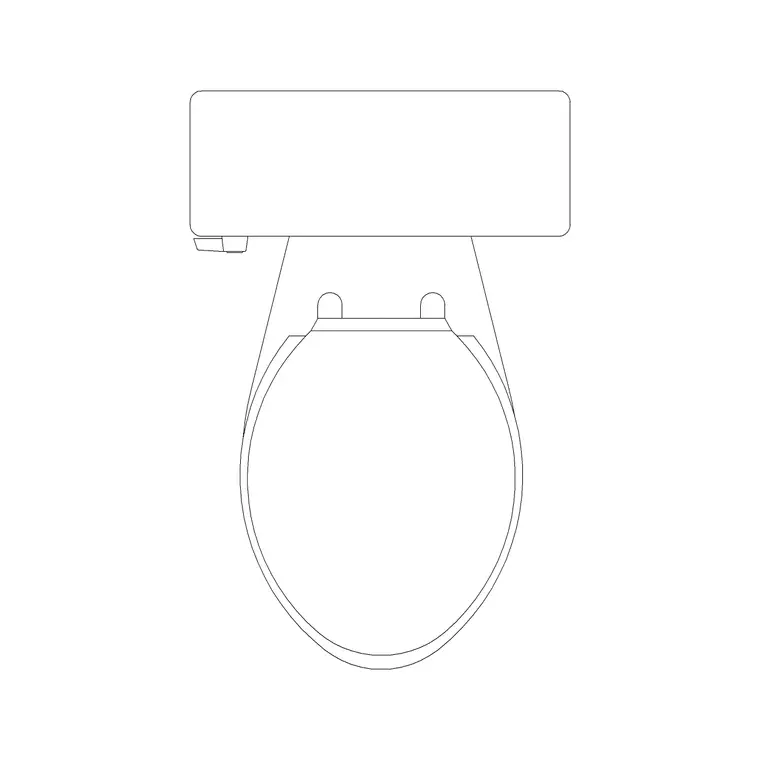
The ten blocks below are free DWG downloads from the Bathroom category here — no signup, free for commercial use. They are plan symbols of the pan and cistern seen from above, which is what a bathroom layout needs. A close-coupled pan is roughly 700mm deep by 360-400mm wide overall; confirm any block reads near those figures before you trust the clearances it implies.
1–3: Close-coupled and two-piece pans
Start with the standard domestic toilet: the close-coupled or two-piece pan, where the cistern sits directly on the bowl. Our Toilet Commode 1 and the WC Two Piece block are exactly this — the most common fixture you will place in a home bathroom. The cistern adds depth at the back, so position the block with the cistern flat against the wall and the bowl projecting into the room.
Keep two or three outlines of slightly different shapes so repeated bathrooms in a scheme do not all show an identical pan. With the 200mm side clearance and 600mm front clearance drawn in, you can immediately see whether the WC fits alongside a basin or a bath without crowding.
4–6: One-piece and designer pans
A one-piece (single-piece) toilet, like our WC Single Piece block, has a smoother, lower profile where bowl and cistern are moulded together — common in contemporary and hospitality bathrooms. The footprint is similar to a close-coupled pan but often a touch more compact, which can be the difference in a tight cloakroom.
Add a rounded-edge designer variant for higher-spec rooms. The value of keeping a few one-piece blocks is that they suit the cleaner modern bathrooms clients increasingly ask for, and dropping the right style onto the plan signals the level of finish without a single note.
7–8: Wall-hung and concealed-cistern WCs
Wall-hung toilets are the modern favourite: the pan cantilevers off the wall with the cistern concealed in a frame inside the wall build-up, leaving the floor clear beneath for easy cleaning. On a plan, a wall-hung block shows only the projecting pan, because the cistern lives inside the wall — so remember to allow about 150-200mm of wall depth for the concealed frame when you draw the partition.
Keep a standard wall-hung pan and a compact short-projection version for small bathrooms. These read as premium on a plan and are worth having for any contemporary or commercial scheme.
9–10: Accessible and back-to-wall pans
Finish with two for completeness. An accessible (Part M / ambulant) WC needs a far larger clear zone and grab-rail space around it, so an accessible toilet block paired with the correct clearance circle is essential for any public or inclusive project — do not fake it by stretching a domestic pan. A back-to-wall pan, with a hidden cistern but floor-mounted bowl, rounds out the set for refurbishments where wall-hanging is not practical.
With these ten in your Bathroom folder you can lay out any WC: close-coupled and one-piece for homes, wall-hung and back-to-wall for modern schemes, and an accessible pan with its clearance zone for inclusive design. Download what each room needs, place the cistern against the wall, and always draw the side and front clearances so the bathroom actually works.
Downloading and placing a WC block
Each pan downloads as a single DWG from the Bathroom category — click download, no account, free for commercial work. Insert it with the INSERT command (type I, Enter, browse to the file) and snap the back of the cistern to the wall line so the bowl projects into the room at its true depth. Put it on your sanitaryware layer before inserting so it sits with the basin, bath and shower for easy editing later.
If the pan comes in at the wrong size, it is a units mismatch — these are drawn in millimetres, so set INSUNITS to match or scale by 0.001 for a metre drawing. For wall-hung blocks, remember the plan only shows the projecting pan, so draw the 150-200mm of wall depth the concealed cistern frame needs.
A bathroom-planning tip: place the WC first, before the basin and bath, because it has the strictest clearance rules. Draw a quick circle or rectangle showing the 200mm side and 600mm front clear zones around it, then fit the other fixtures around that protected space. Laying out the WC last is how cramped, unusable bathrooms happen — it should anchor the room, not squeeze into whatever space is left once the basin, bath and shower have been positioned.
Questions
Frequently asked
How much clearance does a toilet need in a plan?+
As a guide, about 200mm from the bowl centre to a side wall and roughly 600mm of clear space in front. Accessible WCs need a far larger zone for grab rails and transfer space.
What is the difference between close-coupled and wall-hung WC blocks?+
A close-coupled block shows the pan with the cistern resting on it; a wall-hung block shows only the projecting pan because the cistern is concealed in the wall, so allow extra wall depth for the frame.
Are these toilet blocks free to download?+
Yes, every WC and toilet DWG in the Bathroom category here is free for personal and commercial use with no signup.
Free downloads from this article
Free CAD block library
Download the blocks from this article — free, no signup