10 best free fence & garden CAD blocks (2026)
Ten free DWG fence and garden blocks for landscape and boundary drawings in 2026 — railings, flower beds and planters, in plan and elevation views.
Sumana KumarUpdated 6 June 20264 min read
Boundaries and planting define an outdoor drawing
On a landscape or site plan, the fence line and the planting are what turn a plot of land into a designed garden. A boundary fence shows where the property ends and what kind of edge it presents — open railing, solid screen, decorative ironwork — while flower beds and planters give the outdoor space character and scale. Get these blocks right and a garden layout reads as a real, buildable place.
The ten blocks below are free DWG downloads from the Outdoor category here — no signup, free for commercial use. Fence blocks come in both plan (a line with post symbols, for the layout) and elevation (the fence profile, showing height and pattern). A typical garden boundary fence is around 1800mm high; a low decorative railing might be 900-1100mm. Match the view to the drawing and the height to the job.
1–3: Boundary fences and railings
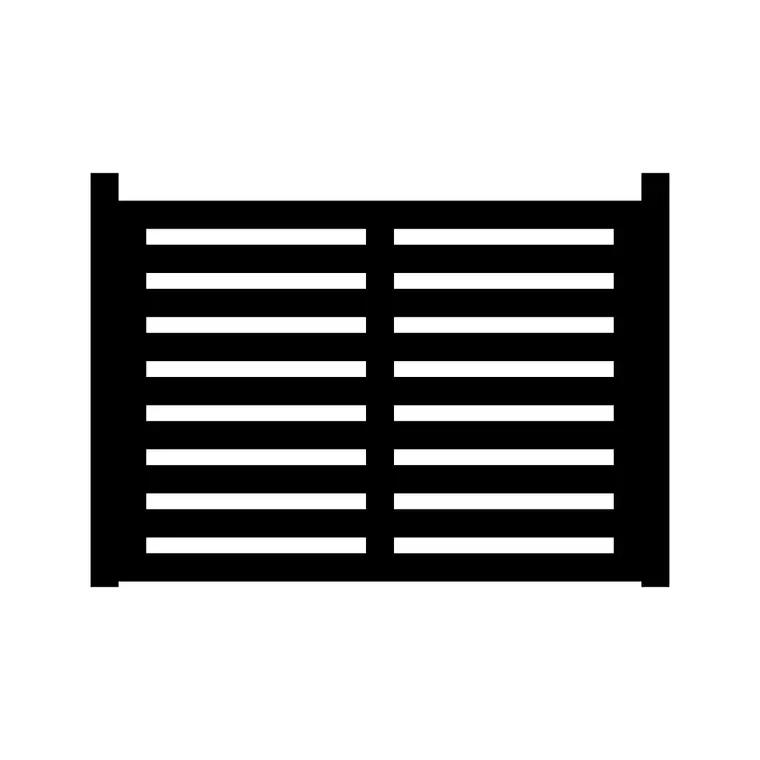
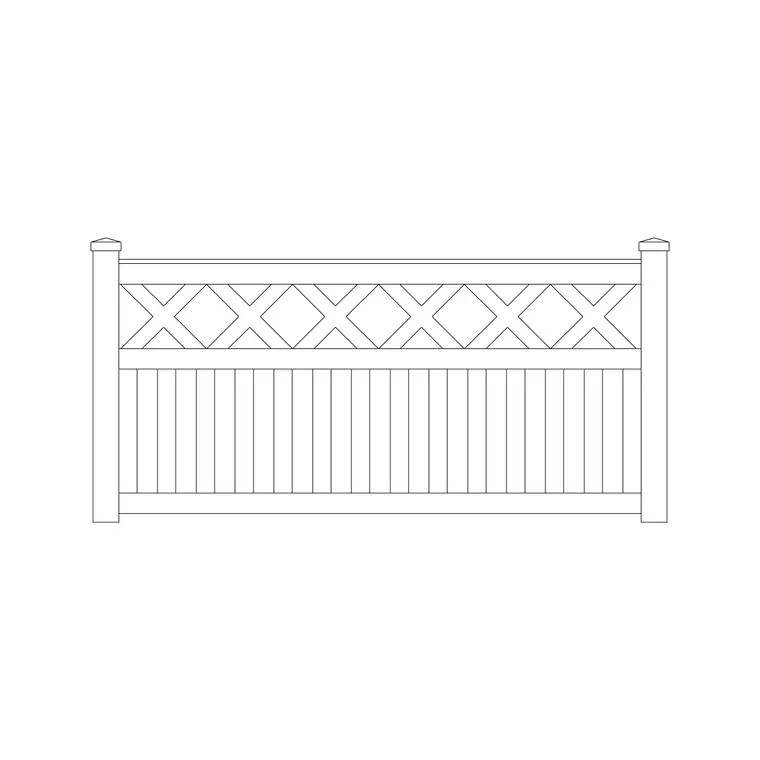
Start with the boundary itself. Our Fence and Fence Design blocks give you the standard run of fencing — drawn so you can stretch or array it along a boundary line. A solid panel fence (close-board or screen) reads as a privacy boundary at around 1800mm high; an open railing or palisade reads as a defining-but-not-blocking edge at a lower height.
Keep a solid screen fence, an open railing and a decorative wrought-iron pattern. The choice you draw tells the reader a lot about the scheme — a tall solid fence says privacy and security, an open railing says a softer, more visible boundary. Array the block along the boundary rather than copying it piece by piece, and the run stays even.
4–6: Decorative and ironwork fences
Front gardens and feature boundaries often want something more ornamental. Decorative ironwork fences — scrolled, finialled or patterned — suit period and high-spec schemes, and our flower-with-iron fence blocks combine a railing with planting in one element. These are elevation-led blocks where the pattern is the point, so they shine on a boundary elevation or a street scene.
Keep one or two ornamental patterns. When you place them, draw them at the real height and let the pattern repeat honestly along the run — a decorative fence drawn at the wrong height or with a stretched, distorted pattern undermines exactly the refinement it is meant to convey.
7–8: Flower beds and raised planters
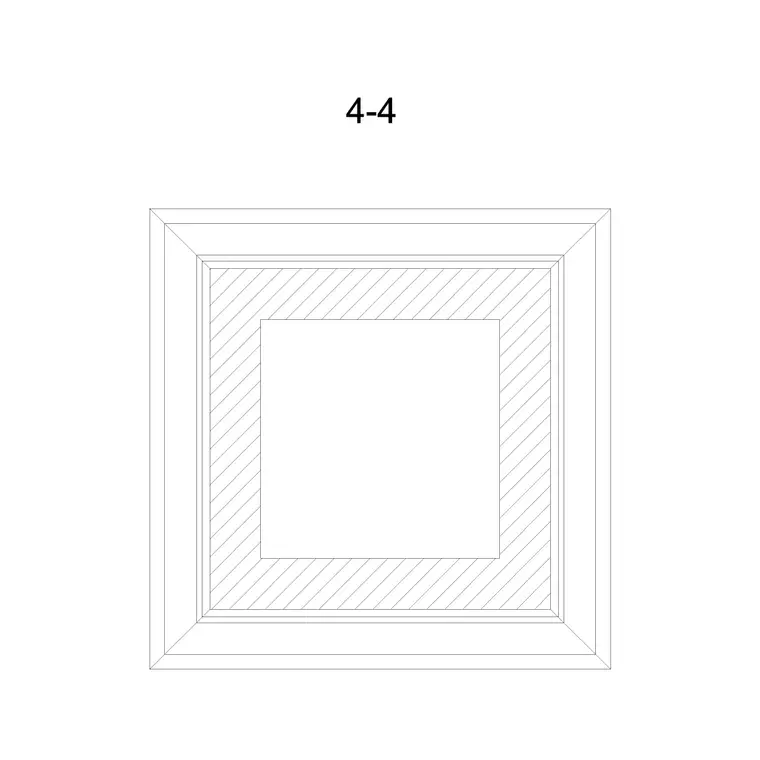
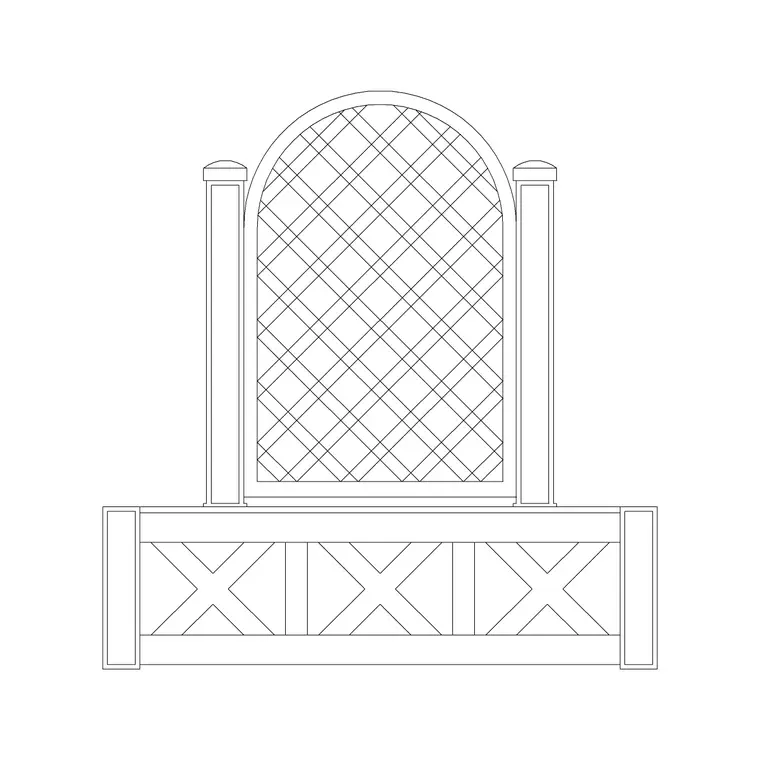
Planting beds are what bring colour and softness to a garden plan. A flower bed block — drawn in plan as a bordered area with planting texture, or in elevation as a raised bed with foliage above — defines where the planting goes. The fence-with-flower-bed block pairs a boundary with a bed in a single move, which is handy for the typical front-garden condition.
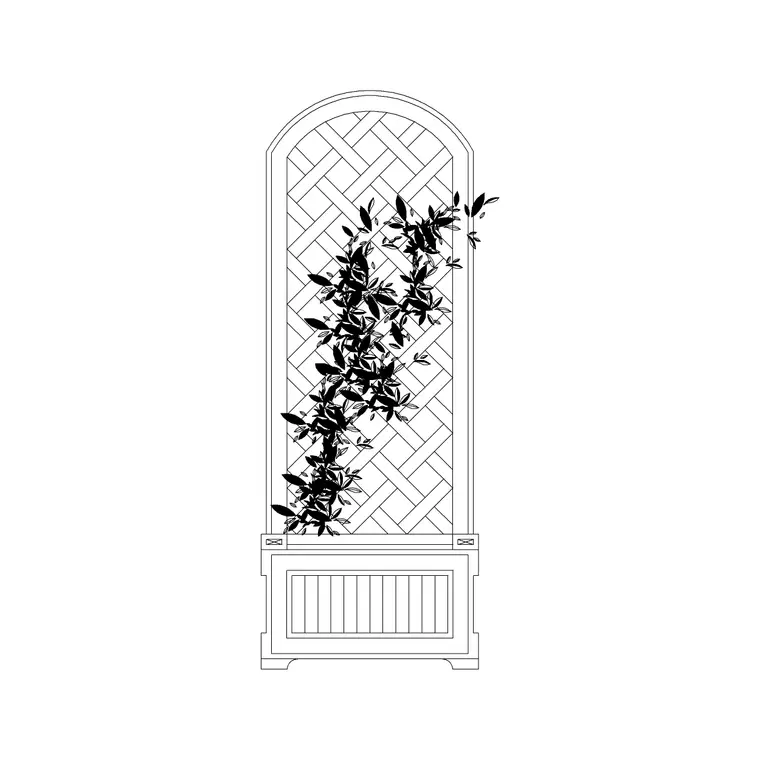
Keep a ground-level bed and a raised planter. Raised planters are common in contemporary and accessible gardens, and showing them at a real height (around 450-600mm for a comfortable raised bed) confirms the design works for the people using it. Vary the planting texture so beds do not all look identical.
9–10: Gates and garden features
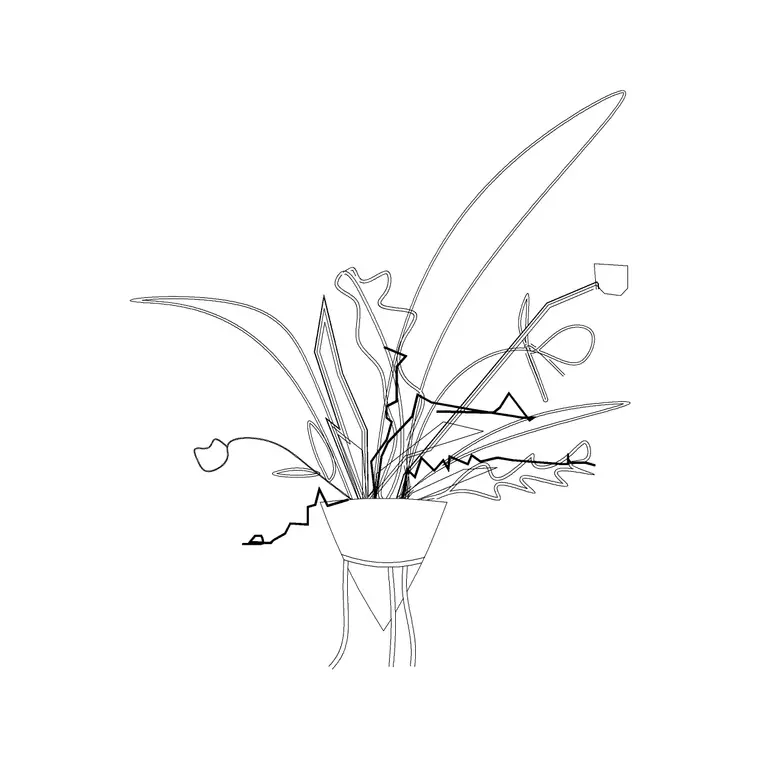
Finish with two that complete a boundary. A garden gate block — matched to the fence style, with its swing shown on the plan — is essential wherever the boundary is crossed, and drawing the swing confirms the gate clears the path and any planting beside it. A small garden feature such as a planter cluster or a bed with a carved back rounds out the set.
With these ten in your Outdoor folder you can draw any garden boundary and planting in 2026: solid and open fences for privacy or definition, ornamental ironwork for feature edges, flower beds and raised planters for the planting, and gates to cross the line. Download what the scheme needs, array fences along the boundary, keep planting on its own layer, and draw every height honestly so the garden reads true.
Downloading and arraying these blocks
Each fence and garden block downloads as a single DWG from the Outdoor category — click download, no signup, free for commercial work. Insert with the INSERT command (type I, Enter, browse to the file). For a boundary, the key move is to use ARRAY rather than copying panel by panel: place one fence module, then array it along the boundary line so the post spacing stays even the whole run. Put fences and planting on separate layers so you can issue a clean planting-only sheet when the landscape package needs one.
If a block inserts at the wrong size it is a units mismatch — these are millimetre blocks, so set INSUNITS or scale by 0.001 for a metre drawing.
A landscape tip: a boundary reads convincingly only when its rhythm is regular and its height is honest. Decide the fence height first (around 1800mm for privacy, 900-1100mm for a defining railing), draw it at that height in both plan and any boundary elevation, and let the arrayed pattern repeat without stretching. Then vary the planting in the beds — different textures, a few different plant blocks — so the soft landscape looks natural against the deliberately regular hard edge. That contrast between an even boundary and varied planting is what makes a garden drawing read as designed.
Questions
Frequently asked
How high should a garden fence block be?+
A typical garden boundary fence is around 1800mm high; a low decorative railing is often 900-1100mm. Draw the height honestly so the boundary reads correctly.
Do fence blocks come in plan or elevation?+
Both. A plan fence is a line with post symbols for the layout; an elevation fence shows the profile, height and pattern. Use the view your drawing needs.
Are these fence and garden blocks free?+
Yes, every fence and garden DWG in the Outdoor category here is free for personal and commercial use with no signup.
Free downloads from this article
Free CAD block library
Download the blocks from this article — free, no signup