Free vs paid people & entourage blocks: what's worth it
Free people and entourage blocks add scale and life to drawings at no cost. Here is when paid figure libraries help, and how to use scale figures convincingly.
Saumyajit MaityUpdated 17 June 20264 min read
Free people blocks do the core job
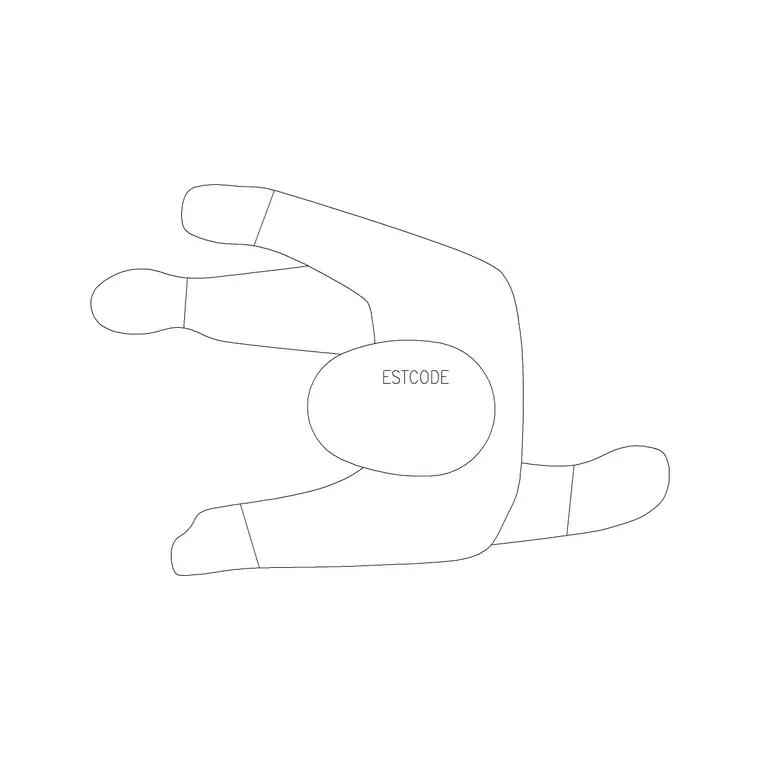
Entourage — the people, and sometimes vehicles, that populate a drawing — exists to give scale and life. A figure beside a doorway tells the eye instantly how big the opening is; a few people in a plaza make it read as a place rather than a void. For that job, free people blocks are entirely sufficient. The figure does not need to be a specific person; it needs to be the right height and read clearly.
Our People category supplies plan and elevation human figures as free DWG downloads, no signup, free for commercial use. Drop a standing figure into an elevation for scale, scatter a few across a plan to show occupancy and circulation, and the drawing comes alive at no cost. Paid figure libraries are mostly about visual style and variety rather than necessity, as the next sections explain.
Get the height and view right
The one thing that must be correct on a person block is height, because that is the whole point of a scale figure. An average adult is about 1700 to 1800mm tall, so draw or scale elevation figures to roughly that and your sense of scale stays honest. A figure that comes in too short or too tall silently distorts how big everything around it looks, which defeats the purpose.
View matters too. Plan-view people are simple top-down shapes used to show occupancy and density on a floor plan; elevation people are the standing front or side profile used on elevations and sections to convey height. Our People category labels the view, so match it to your drawing — a plan figure dropped into an elevation, or vice versa, reads as a mistake. Dimension an elevation figure against the 1700 to 1800mm reference before trusting it for scale.
When paid entourage is worth it
Paid people libraries earn their cost almost entirely on style and variety for presentation work. If you are producing rendered visualisations or polished competition boards, a paid library of cut-out figures, varied poses, diverse and contemporary people, or stylistically matched silhouettes can lift the look in a way generic CAD figures do not. That is a graphic-quality investment, not a technical one.
For technical drawings — plans, sections, elevations used to communicate and build — the value of paid entourage drops sharply. A scale figure on a working drawing needs to be the right height and read clearly, nothing more. So the honest split is: free CAD people for technical documentation, where they are completely adequate, and paid figure libraries only when the deliverable is a presentation whose visual polish justifies the spend.
Use figures so they help, not clutter
Entourage is easy to overdo. A few well-placed figures add scale and life; a crowd buries the drawing and obscures the architecture you are trying to show. Place people where they do work — beside an entrance to read the opening, in a circulation route to show movement, in a key space to indicate use — and resist filling every gap.
Vary the figures so they do not look stamped: use a few different blocks, mirror and rotate them, and group them naturally rather than lining them up. Keep all entourage on its own layer so you can dim or freeze it for a clean technical print and bring it back for presentation. Built on layer 0, the figures inherit that entourage layer automatically. The aim is figures that quietly support the drawing's scale and readability, not decoration that competes with it.
People are one part of a wider entourage set
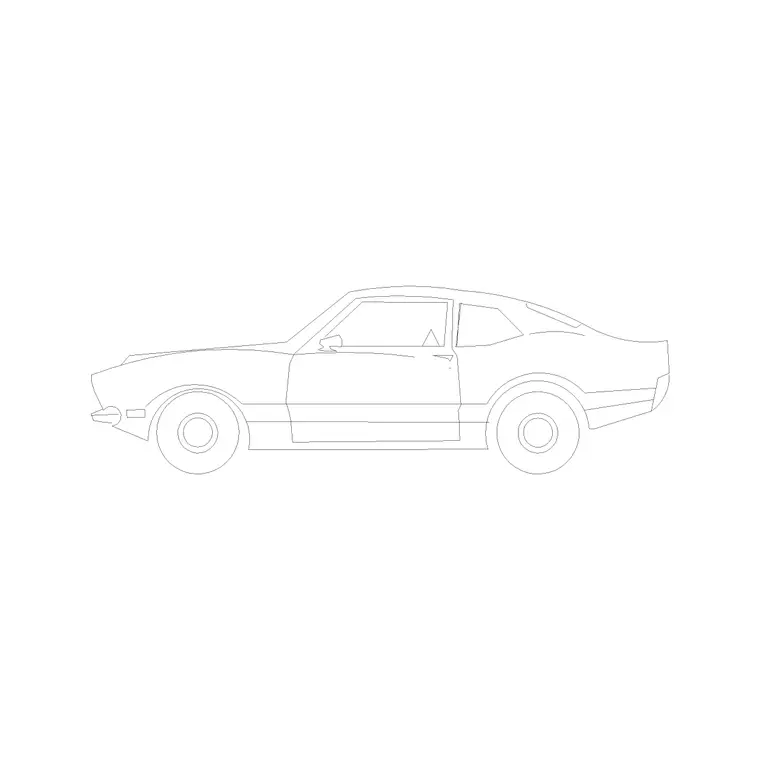
Entourage is broader than people alone. The same drawings that need figures usually need vehicles for scale in a car park or street, trees and planting to set the scene, and sometimes street furniture, and the free-versus-paid logic is the same across all of them. A parked car tells the eye the scale of a forecourt just as a figure tells the scale of a doorway, and free vehicle and planting blocks do that job at no cost.
What ties the set together is consistency and restraint. Whatever entourage you place — people, cars, trees — match the view to the drawing, keep it all on one or a few entourage layers so you can dim it for a clean technical print, and avoid overcrowding. A coherent free entourage set, used sparingly and on its own layer, gives a drawing scale and life without competing with the architecture, which is exactly what working and presentation drawings both want from the people and props you add.
Practical takeaway on entourage
For technical drawings, download free people and entourage blocks, scale them to a realistic adult height of about 1700 to 1800mm, match the view to the drawing, and confirm commercial licensing — which on this site is guaranteed with no attribution. They give you scale and life at no cost, which is exactly what working drawings need.
Reserve paid figure libraries for presentation and rendered work where graphic style and variety genuinely raise the quality of the deliverable. Either way, place figures with restraint and on their own layer. Get the height honest and the placement purposeful, and free entourage carries the great majority of drawings — the paid version is a polish upgrade for a minority of presentation outputs, not a technical requirement.
Questions
Frequently asked
Are free people/entourage CAD blocks good enough?+
Yes for technical drawings — a scale figure just needs the right height (about 1700-1800mm) and to read clearly. Paid figure libraries mainly add style and variety for presentation work, not technical accuracy.
When should I pay for entourage figures?+
When you are producing rendered visualisations or polished presentation boards where varied, stylistically matched cut-out figures lift the graphic quality. For plans, sections and working elevations, free CAD figures are fully adequate.
How tall should a scale figure be in CAD?+
About 1700-1800mm for an average adult in elevation. Dimension the figure against that reference before relying on it, because a wrong-height figure distorts the apparent scale of everything around it.
Free downloads from this article
Free CAD block library
Download the blocks from this article — free, no signup