Free DWG blocks for a reception area — what to download
Design a reception/lobby plan with free DWG blocks: reception desk, waiting seating and planting. What to download and how to lay out the arrival sequence.
Saumyajit MaityUpdated 28 February 20264 min read
Reception is an arrival sequence, not a room
A reception or lobby is really a sequence — a visitor enters, finds the desk, then waits in a seating area. So you furnish it to make that journey obvious: the reception desk visible from the entrance, a clear path to it, and a comfortable waiting zone off to one side that does not block circulation. The blocks you download support that story rather than just filling space.
Everything on this site is free DWG and DXF with no account. You will pull from the Office category for the reception desk and from Furniture for the waiting seating and tables, with planting from Trees & Plants. Start with the reception desk, because its position anchors the whole arrival sequence and everything else arranges around the sightline from the door to that desk.
The reception block list
A reception/lobby plan generally needs:
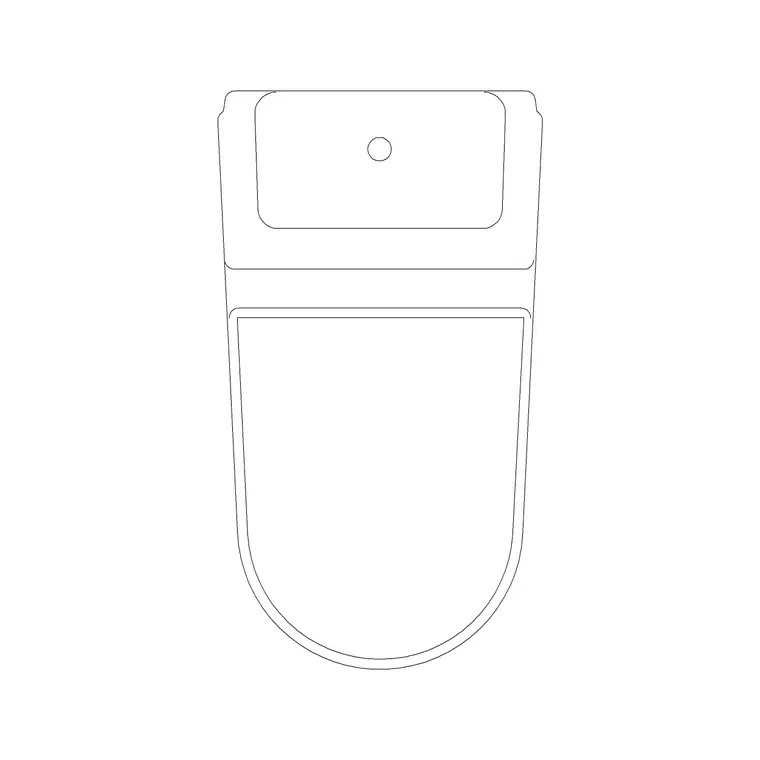
- A reception desk — straight, L-shaped or curved, sized for one or two staff with a visitor-side counter. - Waiting seating — a sofa or a cluster of armchairs, enough for the expected visitor load. - A coffee table or two to anchor the seating group. - A large feature plant or two to soften the space and signal a cared-for environment. - Optionally a side table for brochures, a coat area and a feature pendant.
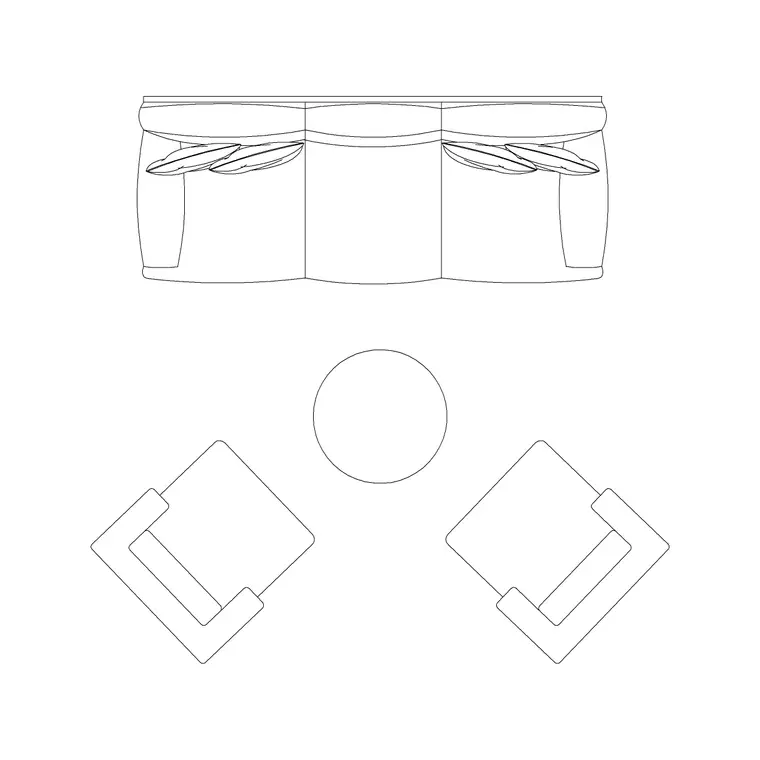
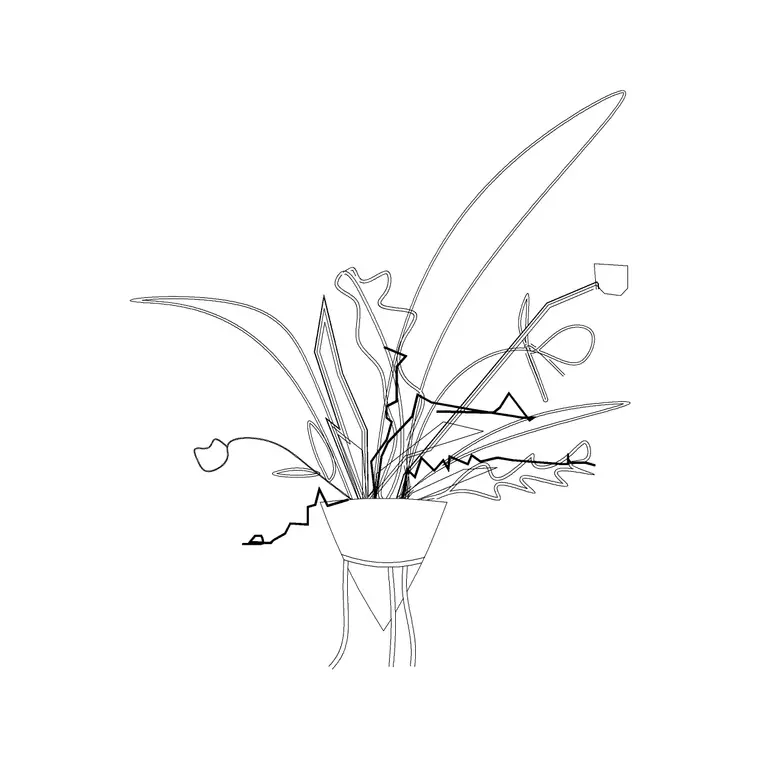
A sofa set plus a couple of armchairs around a coffee table makes a convincing waiting zone, and a large indoor plant in the lobby does a lot to make a presentation drawing feel finished and welcoming rather than clinical.
Lay out the journey and the sightlines
The reason to furnish the plan is to test the visitor experience. Keep a clear, generous path from the entrance to the reception desk — roughly 1.5m or more in a public lobby — and make sure the desk is visible the moment someone walks in, with no planting or seating blocking the sightline. Position the waiting seating so people can see the desk and be seen by staff, but tucked clear of the main flow.
Allow for accessible circulation throughout, since a reception is a public space, and keep the route to lifts, stairs or onward doors unobstructed. Placing real desk, seating and planting blocks lets you confirm the sightlines and the flow read correctly before anything is built — which is exactly what a reception plan needs to demonstrate.
Think about the desk height and approach as well as its position. A reception desk usually has a higher staff-side worktop and a lower accessible section so a visitor in a wheelchair, or anyone signing a form, can be served comfortably; show both on the plan if your block distinguishes them. Leave a clear space in front of the accessible section, and keep the queuing zone — if the building gets busy — out of the main door swing so a small queue does not back up into the entrance. These are the details that separate a lobby that works on opening day from one that is quietly awkward to use.
Inserting reception blocks in AutoCAD
Download the desk, seating, tables and planting, then INSERT the reception desk first, positioned to face the entrance. The blocks are real-world sized, so keep scale at 1; fix any wrong-sized insert via units (INSUNITS to millimetres, or scale 0.001 / 1000). Use object snaps to align the desk cleanly to its backing wall or to a setting-out grid.
Place the sofa and armchairs as a group around the coffee table, rotating the chairs so the seating feels like a conversation cluster rather than a row. Drop the feature plants into corners or beside the desk. Put reception furniture, seating and planting on their own layers so you can isolate the lobby for a furniture or finishes sheet later.
Finishing the lobby drawing
Add the touches that make a lobby feel designed: a rug under the waiting group, a feature pendant or downlights over the desk, signage zones and a coat or umbrella area. A branding or feature wall behind the desk gives the camera-facing sightline something to land on and is worth showing on the plan, since it often drives the desk position. Dimension the desk position and the circulation widths so the space sets out correctly and meets any accessibility requirements.
Because every block is free for commercial use with no attribution, a reception kit — desk, sofa, armchairs, coffee table and a large plant — is worth assembling once and reusing across offices, clinics, hotels and showrooms. Reception areas share the same ingredients across building types, so a single vetted set covers a surprising range of projects, and you only have to get the desk and seating blocks right once. Scale the waiting seating to the expected footfall — a clinic or a busy office lobby needs far more chairs than a quiet studio — and the same kit stretches from a two-seat welcome point to a full public lobby simply by adding more of the seating block.
Questions
Frequently asked
What blocks do I need for a reception area?+
A reception desk, waiting seating (sofa or armchairs), coffee tables and feature planting — free in the Office, Furniture and Trees & Plants categories.
How wide should the path to a reception desk be?+
Roughly 1.5m or more in a public lobby, kept clear so the desk is visible from the entrance and accessible circulation is maintained.
Where should waiting seating go in a reception plan?+
Off the main flow but with a clear view of the desk, so visitors can see and be seen by staff without blocking the route through the lobby.
Free downloads from this article
Free CAD block library
Download the blocks from this article — free, no signup