15 best free people CAD blocks to download in 2026
Fifteen free people and human-figure DWG blocks for 2026 — plan and elevation scale figures — that give drawings honest scale and bring elevations to life.
Saumyajit MaityUpdated 23 May 20264 min read
Why scale figures matter more than they look
A human figure is the cheapest way to make a drawing legible. Drop a person into an elevation or a render and the viewer instantly reads the height of everything around them — a door, a counter, a storefront — because we all carry a sense of human scale. A space drawn without any figures can look ambiguous in size; the same space with a couple of well-placed people reads true. Every block in this roundup is free, available as DWG, needs no login, and cleared for commercial use.
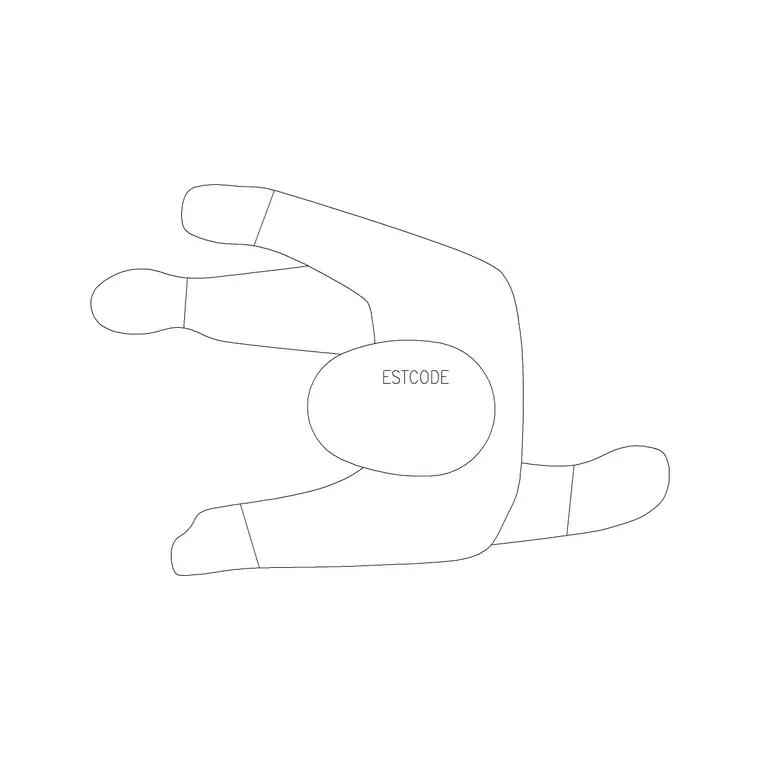
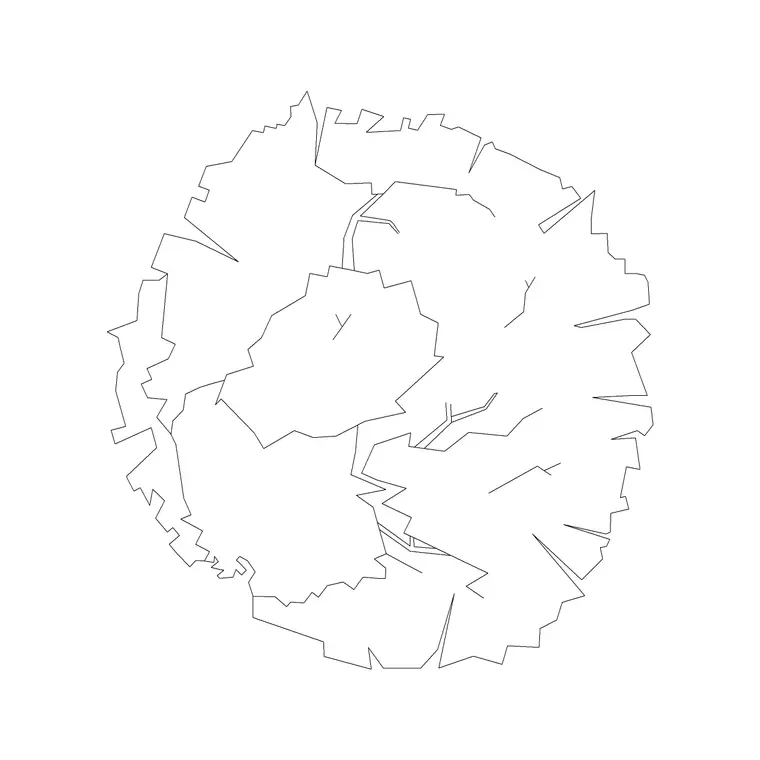
The 15 below are grouped by how they are used: plan-view figures for layouts and occupancy, standing elevation figures for facades and interiors, seated and active figures for furnished scenes, and groups. Browse them in the people category. The human-figure plan block here is a clean top-down scale figure ready to drop into a plan. The one rule that keeps figures helping rather than hurting is to scale them to a real height — roughly 1700 to 1800mm for an adult — and confirm it after placing.
Plan-view figures for layouts (1–4)
Plan figures are the top-down outline of a person — head and shoulders seen from above — and they do quiet, useful work on a layout. They show occupancy and density (how many people a space really holds), test circulation widths against real bodies, and add life to a furnished plan without the clutter of elevation detail. They are especially valuable in offices, waiting areas, restaurants and any space where capacity matters.
Four blocks cover the plan figures: a single standing figure, a small group of two or three, a seated figure at a desk or table, and a figure in motion for a circulation route. The plan human-figure block here is exactly this top-down outline. Sprinkle them sparingly across a plan — a few at a reception, a cluster at a meeting table, one or two on a main route — and the drawing communicates how the space is actually used, not just how it is shaped.
Standing elevation figures (5–9)
Elevation figures are the side-on silhouette of a standing person, and they are the workhorses of any facade, streetscape or interior elevation. A single figure at a shopfront tells you the height of the fascia and the door; a few along a street elevation set the scale of the whole block. The key is honest height and a little variety — figures of slightly different heights and poses read as real people, while five identical silhouettes read as a stamp.
Five blocks cover the standing elevation figures: a standing adult, a figure with a bag or holding something, a figure standing in conversation pose, a taller and a shorter adult for variety, and a child figure for scale in domestic and education projects. Place them at the ground line of your elevation, vary the spacing, and mirror a couple so they face different ways. That small effort is the difference between an elevation that reads as a real place and one that looks populated by clones.
Seated, active and accessibility figures (10–13)
Furnished scenes need people doing things. A seated figure at a desk, table or bench shows a workspace or a cafe in use; a walking or active figure animates a circulation space or a gym; a wheelchair user is essential for checking and communicating accessible design. These figures move a drawing from a layout to a scene a client can picture themselves in.
Four blocks cover this group: a seated working figure, a seated dining/lounging figure, a walking/active figure, and a wheelchair user. The accessibility figure earns its place twice over — it both populates the drawing and lets you check real turning circles and reach against an actual body, which an abstract clearance circle does not convey as vividly. Place these where the brief comes alive: people at the desks, diners at the tables, a wheelchair user negotiating the entrance you are trying to prove works.
Groups, entourage and downloading (14–15)
Finish with the social blocks: a small standing group and a seated group, which read as gathering, queuing or socialising and are perfect for public spaces, lobbies and hospitality scenes. Two group blocks bring the set to 15 and let you populate anything from a quiet office to a busy concourse with believable density and variety.
To download any figure, open the people category, click the block, and grab the DWG or DXF free with no signup. Insert with INSERT at scale 1, snapping to the ground line in an elevation or placing freely in a plan, and keep all figures on a dedicated entourage layer so you can dim or freeze them for a technical sheet that does not need them. If a figure comes in the wrong size, match INSUNITS or scale by 0.001 or 1000 so it reads a real human height. Used with variety and honest scale, these 15 figures make every presentation drawing more legible and more alive.
Questions
Frequently asked
What height should a human-figure scale block be?+
Scale a standing adult figure to roughly 1700 to 1800mm. Confirm the height after placing — if it is wrong it is a units mismatch, fixed by matching INSUNITS or scaling by 0.001 or 1000.
Should I use plan or elevation people blocks?+
Use plan-view figures on layouts to show occupancy and circulation, and elevation figures on facades, streetscapes and interior elevations to convey height. Keep them on an entourage layer so you can dim them for technical sheets.
Where can I download free people CAD blocks?+
The people category on CADBlockDWG has plan and elevation scale figures, seated, active and group figures, free in DWG and DXF, no signup, with commercial use allowed.
Free downloads from this article
Free CAD block library
Download the blocks from this article — free, no signup