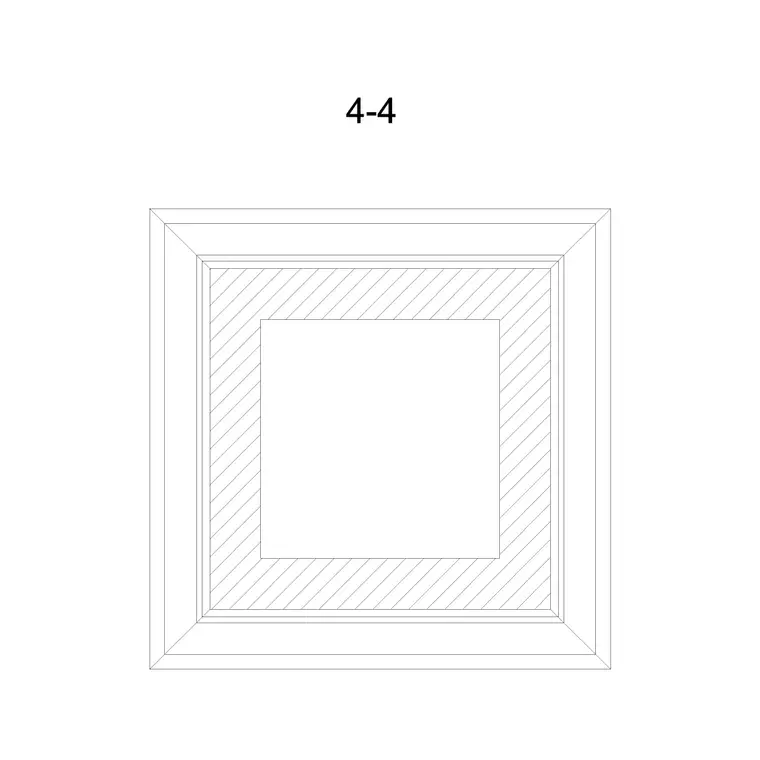
DWG vs DXF for door blocks: which format to download
A door block carries a leaf and a swing arc — simple geometry that opens fine as DWG. Here is when a door DXF is worth downloading, and how to insert it.
Sumana KumarUpdated 4 May 20264 min read

For a door, download the DWG
A plan-view door is a small, well-defined object: a leaf, a frame and a swing arc, plus maybe a few jamb lines. That is exactly the kind of ordinary 2D geometry DWG handles best — compact, native, and opened cleanly by every mainstream CAD tool. So for almost everyone, the door block to download is the DWG. Our Doors category serves it with no signup and free commercial use, ready to drop into a wall opening.
The only reason to consider DXF is software compatibility, not quality. If your drafting program is not in the AutoCAD family and stumbles on DWG, the door DXF will open where the DWG won't. But in a typical floor-plan workflow that situation is uncommon, so default to DWG and keep DXF as the fallback.
Why the door looks the same in both
Whether the file is DWG or DXF, the door leaf, the frame and the swing arc are the same vector geometry. They measure the same — a standard single door leaf is about 900mm — sit on the same layers, and plot identically. Neither format gives you a 'better' door; the geometry is fixed and the container is the only thing that changes.
DWG is binary and compact; DXF is usually text and larger but maximally portable thanks to its open specification. For a door block the size difference is negligible and there is no meaningful feature loss in DXF, because doors are rarely complex parametric objects. The exception is a dynamic door block — one where you can flip the swing or stretch the width with grips — where DWG preserves that behaviour and a DXF round-trip might bake it into a single static state. If you specifically want the dynamic door, take the DWG.
When a door DXF earns its place
Download the DXF when the door has to enter software outside the AutoCAD ecosystem — an older 2D drafting app, a lightweight free editor, or an architectural package that reads DXF more reliably than DWG. If a door block opens as nonsense or triggers an 'unsupported format' message, the DXF usually solves it on the spot.
DXF is also the safer handoff when you are sending an opening detail to someone whose toolchain you cannot verify, or to a fabricator who wants to cut a physical door or a frame template on a CNC or laser machine — fabrication tooling speaks DXF natively. For routine plan-view doors placed in walls in AutoCAD or a DWG-native tool, none of this applies and the DWG is the cleaner choice.
Inserting and aligning a door block
Download the door, then INSERT it into your drawing and snap the hinge point to the wall opening with object snaps. Doors are one of the blocks where the base point really matters: a well-made door block sets its insertion point at the hinge or jamb so it lands flush in the opening. Place first, then use ROTATE or MIRROR to get the swing direction right — into the room, against a wall, whichever the layout needs.
If the door arrives wildly oversized or invisible, that is a units mismatch, not a format defect; set INSUNITS consistently or SCALE by 0.001 or 1000. Dimension the leaf to confirm it reads as a real door width before you rely on the swing arc for clearance against furniture or fixtures. Build the block on layer 0, or move it there, so it inherits your doors layer and plots with the right lineweight.
The takeaway for door downloads
Take the DWG for any door you are placing in AutoCAD or a DWG-native program — it is smaller, native and fully supported, and it keeps any dynamic swing behaviour intact. Reach for DXF only when the door must cross into non-AutoCAD software, or when it is headed for fabrication tooling. The leaf and swing are identical in both, so there is no quality cost to switching.
When a door file misbehaves in an unusual program, round-trip it through a free converter to the other format and the problem usually disappears. With the format sorted, the real craft is in placement: hinge at the jamb, swing in the right direction, leaf at the correct width, on the doors layer. Get those right and the door reads correctly to anyone who opens the drawing.
Questions
Frequently asked
DWG or DXF for a door block?+
DWG for normal AutoCAD or DWG-native work — it is smaller and keeps dynamic swing behaviour. Use DXF only if your software can't read DWG, or the door is going to CNC/laser fabrication tooling.
Will a DXF lose my door's swing arc?+
No, the swing arc and leaf are ordinary geometry and round-trip cleanly. The only thing a DXF round-trip can flatten is a dynamic door's grip-driven flip/stretch behaviour, so take the DWG if you need that.
How do I place a door block in the opening accurately?+
INSERT it and snap the hinge/jamb base point to the wall opening, then ROTATE or MIRROR to set the swing direction. Fix any size error with INSUNITS or SCALE — that is a units issue, not the format.
Free downloads from this article
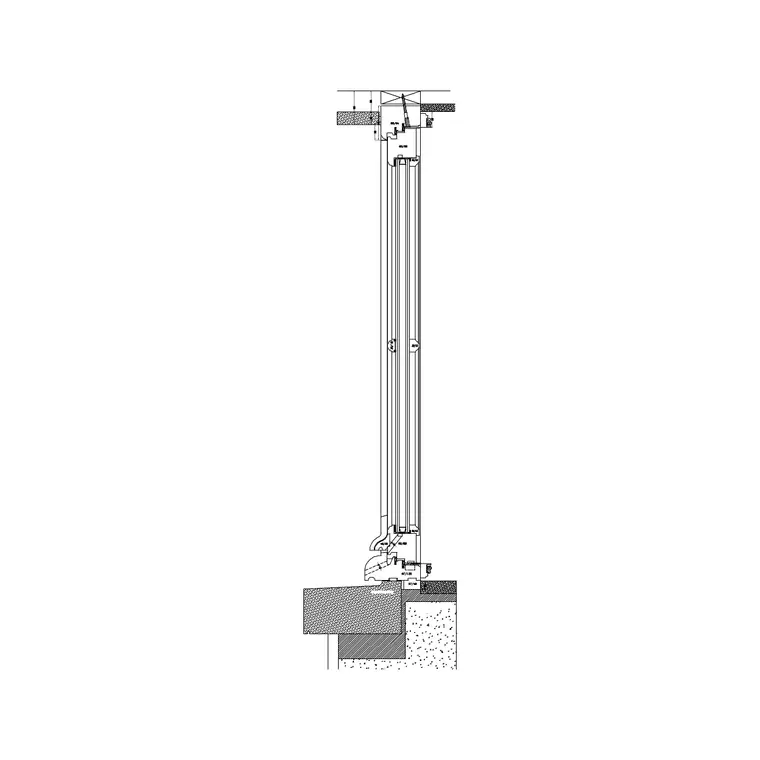
Free CAD block library
Download the blocks from this article — free, no signup