10 best free gym equipment CAD blocks to download in 2026
Ten free gym equipment DWG blocks for 2026 — treadmills, bikes, benches and racks — sized with the safety clearances a fitness layout has to respect.
Saumyajit MaityUpdated 30 April 20264 min read
Gym layouts are clearance plus zoning
A gym or fitness suite is a layout problem with two extra demands: safety clearances around moving and loaded equipment, and zoning so cardio, resistance and free-weight areas do not collide. Get a treadmill run too tight or a squat rack too close to a walkway and the layout fails a safety check. Accurate equipment blocks let you test both fast. Every block in this roundup is free, available as DWG, needs no signup, and cleared for commercial use.
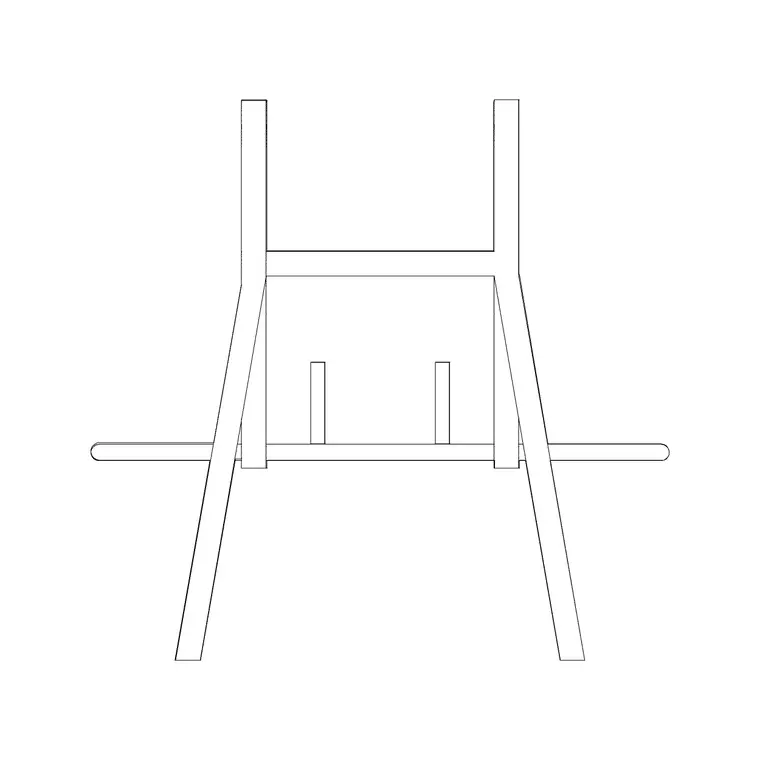
The 10 below are grouped the way a gym floor is zoned: cardio machines, resistance and pin-loaded machines, free-weight equipment, and the functional and studio pieces. Browse them in the fitness-and-sports category. The gym-equipment block here is a clean plan piece ready to drop onto a layout. A treadmill is roughly 2000 by 900mm and wants clear run-off behind it; verify any downloaded machine against the real footprint and leave honest clearances so the floor passes a safety review.
Cardio machines (1–4)
Cardio equipment lines the floor in rows and sets the first clearances. A treadmill is about 2000 by 900mm and needs a clear run-off zone of around 600 to 1000mm behind it in case a user steps off the back; an exercise bike is more compact at roughly 1200 by 600mm; a cross-trainer/elliptical runs around 2000 by 700mm; a rowing machine is long and narrow at about 2400 by 600mm. Spacing between machines should leave room to mount, dismount and pass.
Four blocks cover the cardio zone: a treadmill, an upright/spin bike, a cross-trainer, and a rower. Lay these in rows with consistent spacing and the safety run-off honoured behind each treadmill, and the plan immediately shows your real machine count against the floor area. Cardio is usually placed near windows or the front of a club, so set the row out against that frontage and check the circulation aisle behind it stays clear.
Resistance and pin-loaded machines (5–7)
Resistance machines form the structured strength zone, and they need access space on the loading and seating sides. A typical selectorised (pin-loaded) machine occupies around 1200 to 1500mm by 1000 to 1200mm, but the working footprint is larger once you allow the user's movement and the space to step in and out. A cable/functional crossover station needs a wide clear zone between the towers. Group like machines so a user can move through a workout logically.
Three blocks cover the resistance zone: a selectorised strength machine, a lat-pulldown/seated station, and a cable crossover. Place these in a defined resistance area with clear access to each seat and weight stack, and leave a circulation route through the zone. The cable crossover in particular wants a generous clear span between the uprights, which is a clearance people often underestimate — drawing the working zone, not just the frame, is what catches it.
Free-weight equipment (8–9)
The free-weight zone has the most demanding clearances in the gym, because users move dynamically and drop loaded bars. A flat or adjustable weight bench is about 1200 by 600mm but needs clear space all around for a spotter and for getting on and off; a squat rack or power cage is roughly 1400 by 1200mm and needs a generous clear footprint in front and to the sides for the lift itself. This zone should sit on a solid floor area away from cardio and circulation.
Two blocks cover free weights: a weight bench and a squat rack/power cage. Place these with deliberately generous clearance — more than the frame footprint suggests — and keep them clustered in their own zone with the dumbbell racks nearby. The free-weight area is where an over-packed layout most clearly fails a safety review, so resist the temptation to squeeze it; the drawn working zones around the bench and rack are the honest test of whether the space is adequate.
Functional, studio and downloading the set (10)
Round the set out with a functional/studio piece — a stretching and matting area, or a functional rig footprint — which brings the collection to 10 and covers the open-floor training that fixed machines do not. A clear matted zone of a few metres square supports stretching, bodyweight and small-group work, and it is increasingly central to a modern gym brief.
To download any block, open the fitness-and-sports category, click the piece, and grab the DWG or DXF free with no signup. Insert with INSERT at scale 1, snapping to your planning grid, and keep equipment on a dedicated layer so you can zone and check clearances cleanly. If a machine comes in the wrong size, match INSUNITS or scale by 0.001 or 1000 so the footprint is honest. With these 10 blocks you can lay out a complete gym floor — cardio, resistance, free weights and functional — and prove the safety clearances and zoning on the drawing rather than discovering them on site.
Questions
Frequently asked
What clearance does a treadmill need in a gym layout?+
A treadmill is roughly 2000x900mm and wants a clear run-off zone of about 600 to 1000mm behind it in case a user steps off the back, plus room to mount and pass between machines. Draw the clearance, not just the frame.
How should I zone a gym floor in CAD?+
Separate cardio, resistance and free-weight areas so dynamic free-weight movement does not collide with machines or circulation. Place the free-weight zone on solid floor away from walkways, with generous clearances around benches and racks.
Where can I download free gym equipment CAD blocks?+
The fitness-and-sports category on CADBlockDWG has treadmills, bikes, benches and racks free in DWG and DXF, no signup, with commercial use allowed.
Free downloads from this article
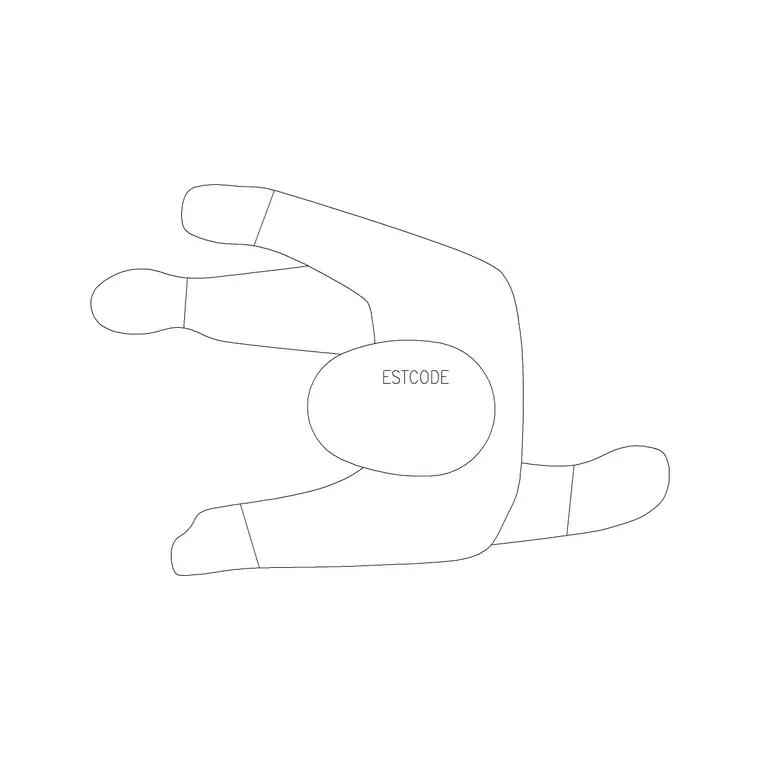
Free CAD block library
Download the blocks from this article — free, no signup