Room guide · walk-in closet cad blocks
Walk-in closet CAD blocks and layout plan
By Saumyajit Maity · Published 19 Jan 2025 · Updated 31 May 2026
A walk-in closet is a room built entirely around storage and the space to use it. Unlike a bedroom, there is no bed to anchor the plan — instead the whole layout is a careful negotiation between the depth of the wardrobe runs along the walls and the width of the aisle you stand in to reach them. Get that negotiation right on paper and the closet holds far more and feels generous; get it wrong and you have either wasted floor or a corridor too tight to turn around in.
The defining dimensions of a walk-in are the storage depth and the clear aisle, and almost every design decision flows from how those two numbers fit the room's width. Whether the room takes storage on one wall, two walls, three walls in a U, or a central island, the planning is the same exercise repeated: depth, aisle, depth, and does the width add up.
Every block here is free DWG, drawn full size in millimetres, with no signup or watermark and cleared for commercial work. Insert the wardrobe runs, set the aisles, and you can prove a walk-in works at real dimensions before you build it.
What a walk-in closet is for
A walk-in is a small dedicated room — often between a bedroom and an ensuite — whose entire purpose is to store clothes and accessories and give you room to stand and dress among them. There is no sleeping, sitting or working function competing for the floor, which is what makes it both simpler and more demanding to plan: every centimetre is either storage or the aisle that serves it.
The storage itself comes in a few types you arrange to suit a wardrobe: long-hanging for coats and dresses, double-hanging for shirts and folded items, drawers for small things, and open shelving for shoes and bags. The plan's job is to fit the right mix of those against the available walls while leaving an aisle wide enough to actually use them.
The two numbers that govern the plan
Everything in a walk-in comes back to two figures: the depth of the storage runs and the width of the clear aisle. A run of wardrobe or hanging is typically around 600 mm deep — that is the standard you will see on the wardrobe blocks here, and it is what a hanger needs to sit square.
The aisle is the floor you stand and turn in. As a rule of thumb you want enough clear width to open a drawer fully and crouch to a low shelf without backing into the run behind you — comfortably more than half a metre, and more again if two people use the closet at once or drawers open from both sides. Lay the runs down at their true 600 mm depth, set the aisle, and the room's width tells you immediately whether one wall, two walls or an island will fit.
Single-wall, galley and U-shape layouts
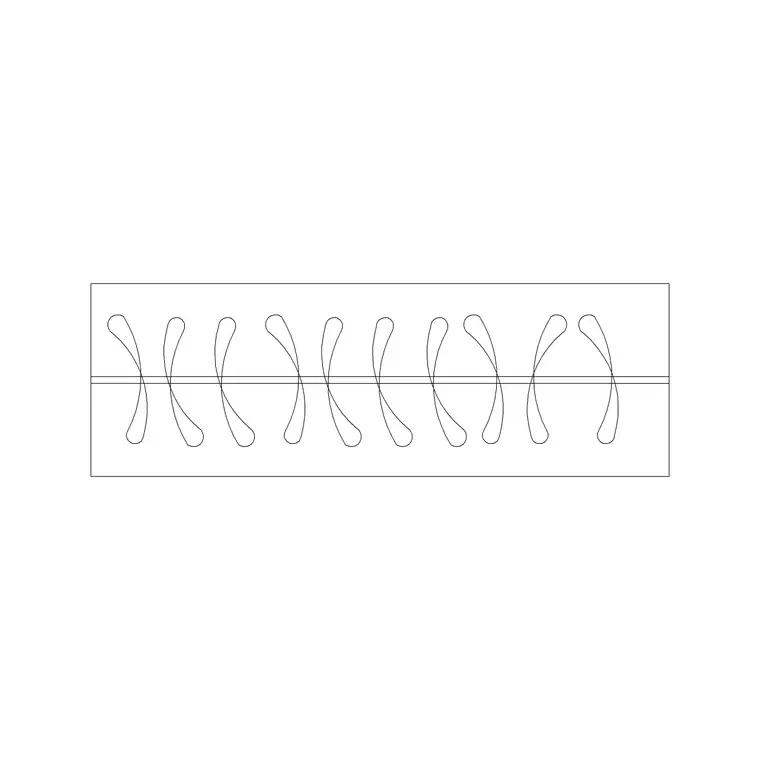
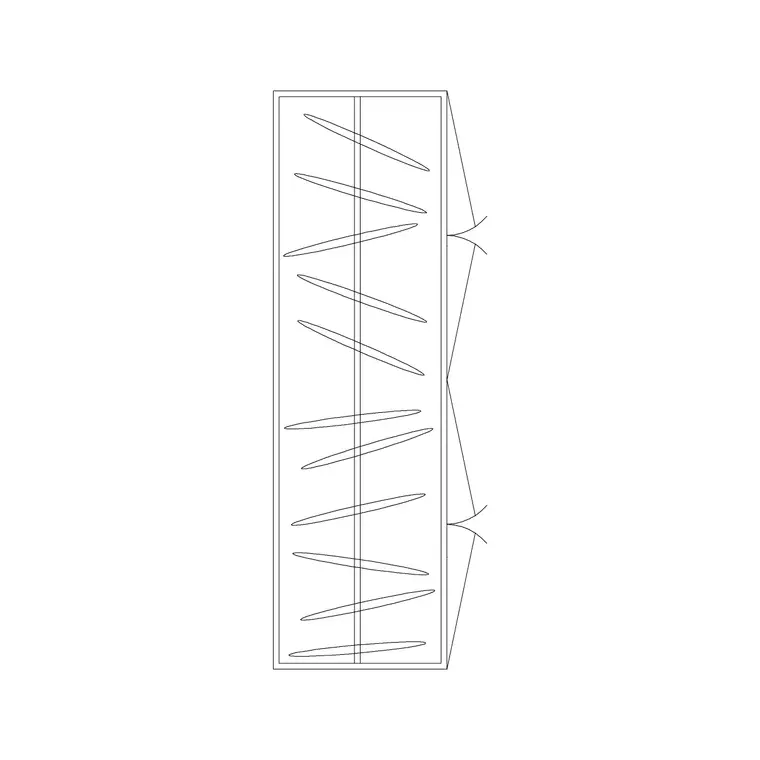
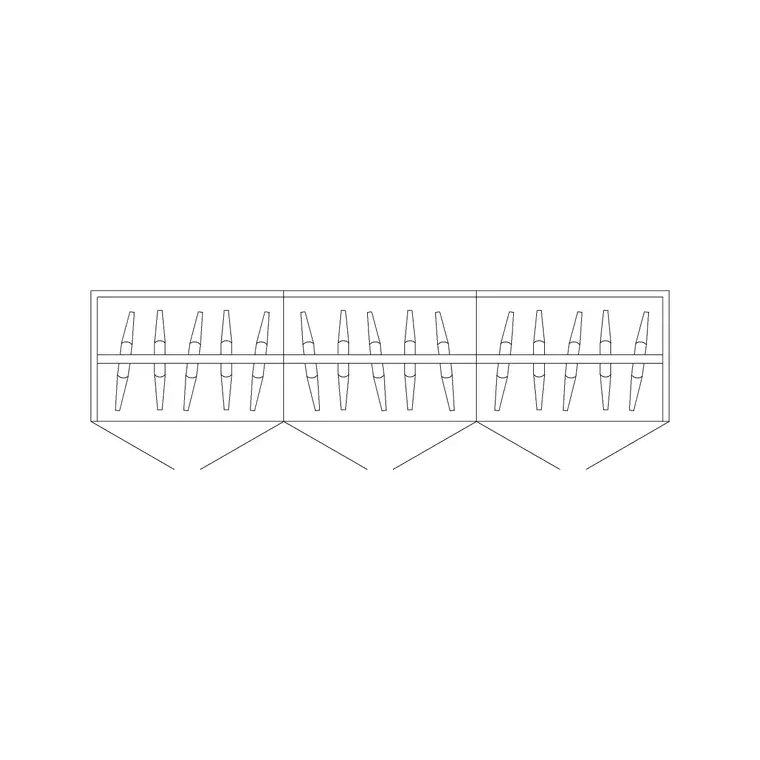
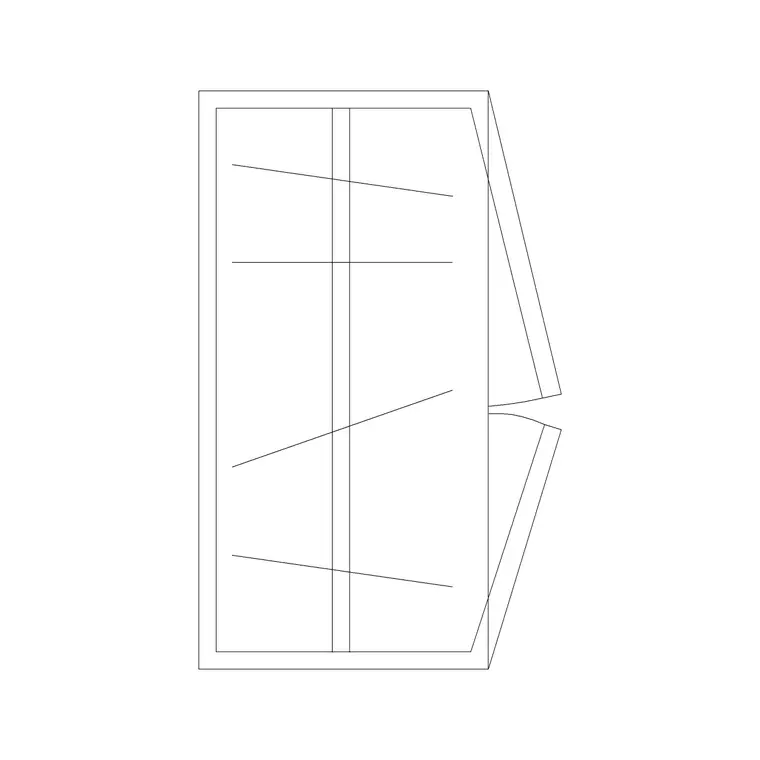
The layout follows the room's proportions. A narrow walk-in takes storage on one wall only, with the opposite wall left clear or given over to a mirror — a single run of wardrobe such as a 3-door or 4-door block lines the wall and the rest is aisle.
A wider room takes a galley arrangement: storage on two facing walls with the aisle down the middle, which doubles capacity but demands enough width for the two 600 mm runs plus a usable aisle between them. A U-shape wraps storage around three walls, which is the most efficient use of a small square room but needs careful planning of the corners, where two runs meet and hanging can clash. Drop the wardrobe blocks against each wall, check the aisle that is left, and the right layout becomes obvious from the geometry.
Adding an island and a dressing point
When the room is genuinely generous, a central island adds drawer storage and a folding surface and turns the closet into a proper dressing room. But an island only works if the aisle all the way around it stays usable — you need clear width on every side for drawers to open and for someone to pass, so an island demands a much wider room than a galley.
Most walk-ins also want a dressing point: a full-length mirror, a stool to sit on, and good light to see colours truly. A back-elevation stool tucked at the end of the run, or beside an island, marks where you sit to put on shoes. Plan the mirror on a wall the light reaches and the stool where it does not block the aisle, and the closet becomes somewhere you actually want to get dressed.
Lighting a closet so you can see clothes
Lighting in a walk-in is functional first: you need to see colours and fabrics accurately and read into the depth of every shelf and rail. Plan a bright, even ceiling source — a ceiling lamp or a run of them down the aisle — so no run is left in shadow, and add a wall lamp or mirror light at the dressing point so you see yourself in good light.
Draw every fitting on the plan; a walk-in lit by a single weak source in the centre leaves the ends of the runs dim and clothes hard to tell apart. Because there is rarely a window, the artificial lighting is doing all the work, so treat the lighting plan as seriously as the storage plan. Mark the mirror, the fittings and any toe-kick or shelf lighting so the elevation and electrical layout agree.
Assembling the walk-in in AutoCAD
Build the closet run by run, checking the aisle as you go:
- Decide the layout from the room's width: single wall, galley, U-shape or island. - Line the chosen walls with wardrobe runs at their true 600 mm depth. - Set and check the clear aisle — wide enough to open a drawer and crouch to a low shelf. - For a galley or U, confirm two runs plus aisle fit the width; for an island, confirm clear width on all four sides. - Add the dressing point: mirror on a well-lit wall, stool clear of the aisle. - Lay in even ceiling lighting down the aisle and a light at the mirror.
Insert each block at scale 1 in millimetres so the runs land at true depth, and keep the storage on its own layer so you can dimension the aisles cleanly.
Common walk-in closet mistakes
The commonest mistake is a too-narrow aisle — squeezing in an extra run of storage at the cost of the floor you need to use it, so drawers and low shelves become a fight. The aisle is not wasted space; it is what makes the storage reachable.
The second is mishandling the corners in a U-shape, where two hanging runs meet and the clothes on one rail block access to the other — corners need a corner solution, not two rails running blindly into each other. The third is under-lighting, leaving the ends of the runs in shadow so you cannot tell navy from black. Plan depth, aisle, corners and light with scaled blocks and the walk-in works as hard as its floor allows.
Free download
Browse the full library — DWG & DXF, no signup.
Questions
Frequently asked
How wide does a walk-in closet aisle need to be?+
Wide enough to open a drawer fully and crouch to a low shelf without backing into the run behind you — comfortably more than half a metre, and wider again if two people use it at once or drawers open from both sides. The aisle is what makes the storage usable, so do not sacrifice it.
How deep are wardrobe runs in a walk-in closet?+
Typically around 600 mm, which is what a hanger needs to sit square and is the depth the wardrobe blocks here are drawn to. Line your walls with runs at that true depth, then check the aisle the room's width leaves you.
What layouts work for a walk-in closet?+
Single-wall storage for a narrow room, a galley with storage on two facing walls for a wider room, a U-shape wrapping three walls for an efficient square room, or a central island where the room is genuinely generous. An island only works if the aisle stays usable on all four sides.
Are the walk-in closet blocks free for commercial use?+
Yes. Every block downloads free in DWG, drawn full size in millimetres, with no signup, no watermark and no attribution requirement, and is cleared for both personal and commercial projects.
Related downloads
Blocks for this guide
Related categories
Related guides
Room guide
Master Bedroom CAD Blocks & Layout — DWG
Free master bedroom CAD blocks in DWG — king and double beds, side tables, wardrobes, seating and lighting to lay out a master suite in AutoCAD.
Room guide
Kids Bedroom CAD Blocks & Plan — DWG
Free kids bedroom CAD blocks in DWG — single beds, wardrobes, desks and play space to plan a child's room in AutoCAD with real clearances.
Room guide
Guest Bedroom CAD Blocks & Layout — DWG
Free guest bedroom CAD blocks in DWG — double and single beds, compact wardrobes and seating to plan a flexible spare room in AutoCAD.