Room guide · porch veranda cad blocks
Free porch and veranda CAD blocks for AutoCAD
By Sumana Kumar · Published 14 Mar 2026 · Updated 8 Apr 2026
A porch or veranda is the covered, semi-outdoor threshold between the house and the open air — a roofed platform along the front or wrap-around the side of a building. It is where arrival, shelter and a place to sit overlap: the spot for a swing seat, a couple of chairs, a few plants and a welcome to the front door. These free porch and veranda CAD blocks give you the railings, swing seats, seating, columns and planting to lay one out at scale in AutoCAD, all in DWG.
What makes a porch distinct is that it is roofed and bounded by structure. Columns or posts carry the roof along the open edge; a railing runs between them; and the depth of the porch is fixed by that roof. The design problem is fitting a usable sitting and passing space into a long, shallow, covered band without blocking the door or the steps.
Everything is free for personal and commercial use, no signup, no watermark, and opens in AutoCAD 2004 or later. Draw the porch slab, the columns and the front door first — the covered footprint and its supports define every other move.
Porch versus veranda, and what they are for
A porch is a roofed platform at an entrance, usually shallow and front-facing; a veranda is a longer roofed gallery that often runs along one or more sides of the house. Both are covered, semi-outdoor rooms used for sheltered sitting, watching the street or garden, taking off muddy boots, and greeting arrivals at the door. The roof is what defines them — it makes the space usable in sun or rain and fixes its depth.
That covered, structured nature drives the plan. The roof is carried on columns or posts along the open edge; a railing or balustrade runs between them; steps connect the raised platform to the ground; and the front door opens onto it. Everything else — a swing seat, chairs, plants — has to fit the shallow band between the house wall and the railing without fouling the door or the steps.
Columns, railings and the covered edge
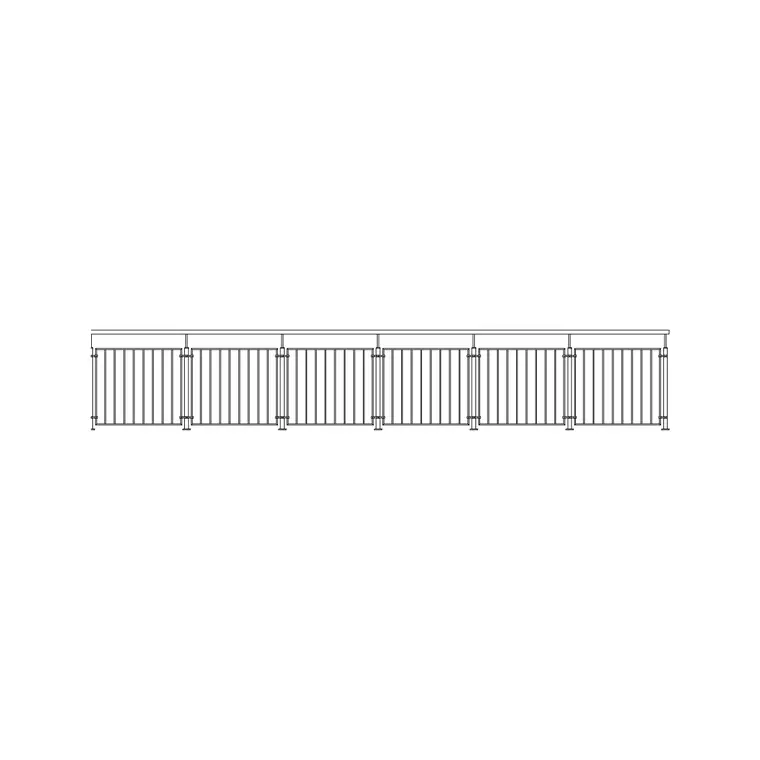
The open edge of a porch is its main elevation, defined by columns and a railing. Draw the columns or posts at their structural spacing along the edge — they carry the roof and set the rhythm of the facade — and run a railing between them. The included railings (metal, iron, decorative) and an iron round-fence detail suit the period and style of the house.
In plan the columns are small solids on a regular grid and the railing is a thin line between them; the door and any steps break that line. Keep the railing at a guarding height where the porch is raised, and align the steps with the path from the gate so arrival flows straight up onto the porch and to the door. A porch reads best when the column rhythm is even and the entry is centred or clearly marked.
Furnishing a shallow covered band
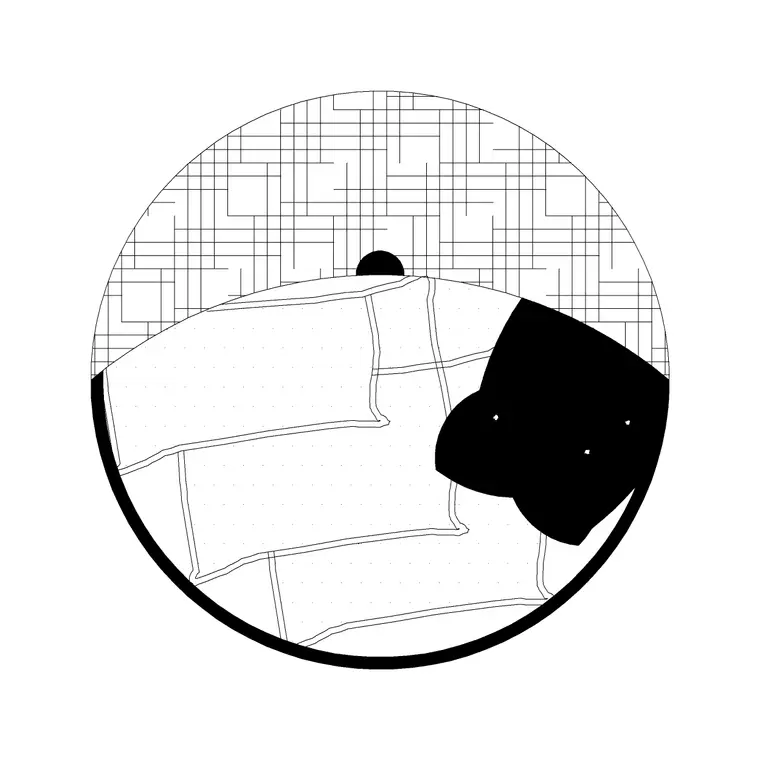
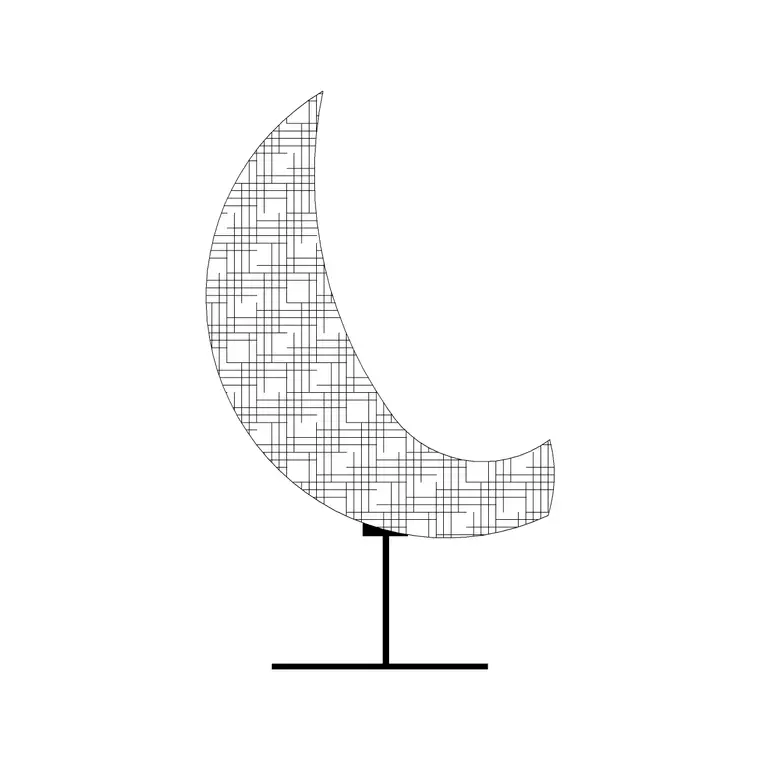
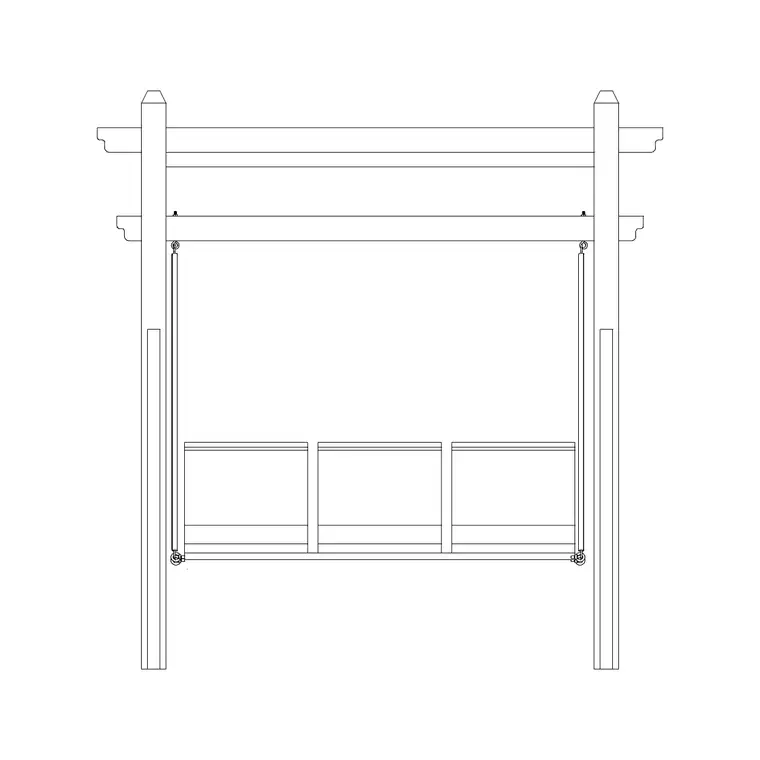
Porch furniture is built around the swing seat and a small sitting group. The blocks include a porch-style swing chair in plan and side views and a three-seat sofa; pair them with a small side table and a couple of chairs for the classic veranda set. Push furniture against the house wall so the railing edge and the route to the door stay clear.
Keep a clear passage of at least 900 mm from the steps to the front door so arrivals are never squeezed past a swing seat. On a shallow porch, choose a single bench or swing rather than a full lounge group; on a deep veranda, you can run a sequence of seating along its length. The test is always whether someone can walk straight to the door with the furniture in place.
Plants, finish and the welcome
Planting on a porch is decorative and welcoming rather than structural. Use potted plants and a low pot flanking the door or the steps, a flower basket hung from the eaves or a post, and trailing plants along the railing. Because the porch is covered, container planting is the rule — there is no ground to plant into.
Flank the front door symmetrically with a matched pair of pots for a strong welcome, and keep the planting off the walking route and the step edges so it never becomes a trip hazard. A consistent floor finish — boards or paving running the length of the porch — ties the whole covered band together and reads cleanly in plan when laid in one direction. The aim is a threshold that feels furnished and tended, not cluttered.
Drawing the porch or veranda plan
Build it from the structure out. First, draw the porch slab, the house wall with the front door, and the columns or posts along the open edge at their structural grid. Second, run the railing between the columns and draw the steps aligned with the approach path. Third, mark the clear 900 mm route from the steps to the door. Fourth, place the swing seat and sitting group against the house wall, off the route. Fifth, flank the door and steps with potted plants and add a hanging basket.
Keep slab, columns, railing, steps, furniture and planting on separate layers, and insert columns, railings and furniture as named blocks so the grid and guarding update together. Dimension the column spacing, the clear route to the door and the railing height — these tell a reviewer the structure, the circulation and the safety are all resolved.
Porch and veranda mistakes
- Blocking the door route: a swing seat or sofa across the path to the door makes arrival awkward. Keep a clear 900 mm route. - Ignoring the columns: drawing furniture as if the roof posts are not there leads to clashes on site. Set out the structural grid first. - Over-scaled furniture: a full lounge group on a shallow porch leaves no passage. Match the seating to the depth. - Forgetting it is covered: planting drawn as if there is ground to dig into is wrong — porch planting lives in containers. - Misaligned steps: steps that do not line up with the approach path break the flow of arrival. Align them with the gate-to-door route.
Free download
Browse the full library — DWG & DXF, no signup.
Questions
Frequently asked
What is the difference between a porch and a veranda?+
A porch is a shallow roofed platform at an entrance, usually front-facing; a veranda is a longer roofed gallery running along one or more sides of the house. Both are covered, semi-outdoor rooms for sheltered sitting and arrival, with the roof carried on columns along the open edge.
How much clear space do I leave to the front door?+
Keep a clear passage of at least 900 mm from the steps to the front door so arrivals are never squeezed past the furniture. On a shallow porch, use a single bench or swing rather than a full lounge group to protect that route.
How do I handle the columns in plan?+
Draw the columns or posts at their structural spacing along the open edge first — they carry the roof and set the facade rhythm — then run the railing between them and fit furniture into the band behind. Setting out the grid before the furniture avoids clashes on site.
Can I plant directly on a porch?+
No — a porch is covered, so planting lives in containers. Use potted plants and a low pot flanking the door or steps and a flower basket hung from the eaves, kept off the walking route and step edges so they never become a trip hazard.
Are the porch and veranda blocks free for commercial use?+
Yes. Every block downloads as DWG free for personal and commercial work, no signup or watermark, and opens in AutoCAD 2004 or later and most DWG-compatible CAD software.
Related downloads
Blocks for this guide
Related categories
Related guides
Room guide
Free Balcony CAD Blocks — DWG Download
Free balcony CAD blocks in DWG — railings, compact seating, planters and pavers drawn to scale for AutoCAD apartment plans. No signup, commercial use OK.
Room guide
Terrace Garden CAD Blocks — Free DWG
Free terrace garden CAD blocks in DWG — raised planters, potted greenery, seating and paving to design a green roof terrace in AutoCAD. No signup.
Room guide
Rooftop Deck CAD Blocks — Free DWG
Free rooftop deck CAD blocks in DWG — lounge seating, railings, planters and decking pavers for roof terrace plans in AutoCAD. No signup, commercial OK.