Room guide · gym fitness centre cad blocks
Free gym fitness centre CAD blocks for AutoCAD
By Sumana Kumar · Published 4 Jan 2022 · Updated 4 Feb 2026
A fitness centre is a zoning exercise. The floor splits into a cardio line, a resistance-machine area, a free-weight zone and a stretch or functional space, and the whole layout works only if each piece of kit has the safety zone it needs while the gangways and emergency routes stay clear. These free gym fitness centre CAD blocks gather the equipment that drives that plan — treadmills, ellipticals and bikes for cardio, benches and weights for strength, and scale figures to test the user envelopes — drawn to true scale in DWG and DXF for AutoCAD 2004 or later, free for personal and commercial use with no signup and no watermark.
Gym layout is governed by the safety zone around each machine more than by the machine footprint itself: a treadmill needs a run-off behind it, a free-weight station needs room to lift clear of neighbours, and a cardio line needs side spacing so users do not clash. Because every block is drawn at true dimensions, you place the kit, draw the safety zones, and read whether the gangways and egress still pass.
Use the set for commercial gyms and fitness centres, boutique and studio fitness, hotel and residential gyms, and rehab and corporate exercise rooms. Start from the cardio line and the strength zone, then thread circulation between them so a member moves around the floor safely.
Zoning the fitness floor
Split the floor into four zones and the block list follows. Cardio: treadmills, ellipticals and bikes lined up along a wall or window. Resistance: selectorised and plate-loaded machines in a circuit. Free weights: benches, racks and dumbbells in their own area. Functional/stretch: open mat space away from the heavy kit.
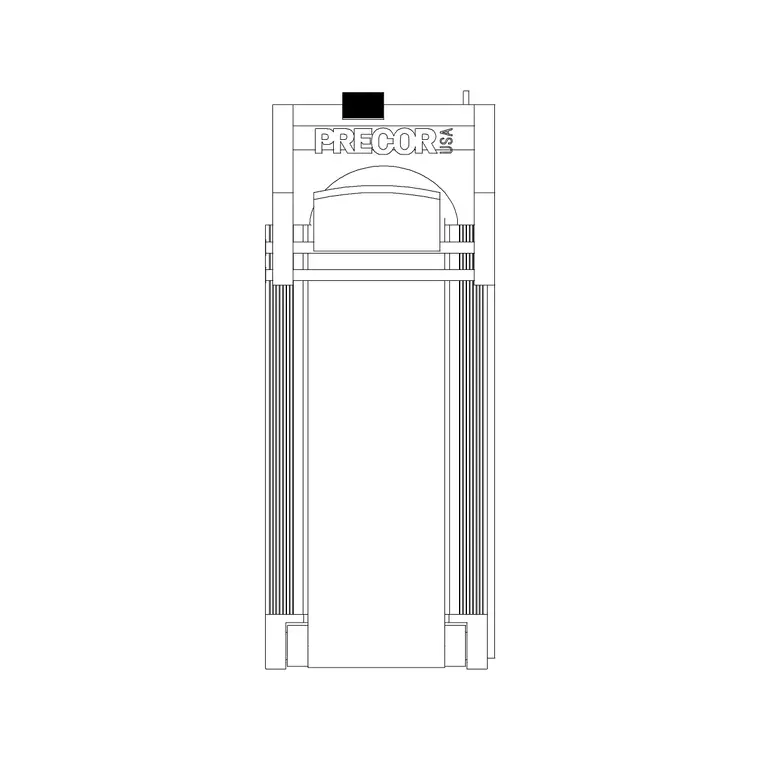
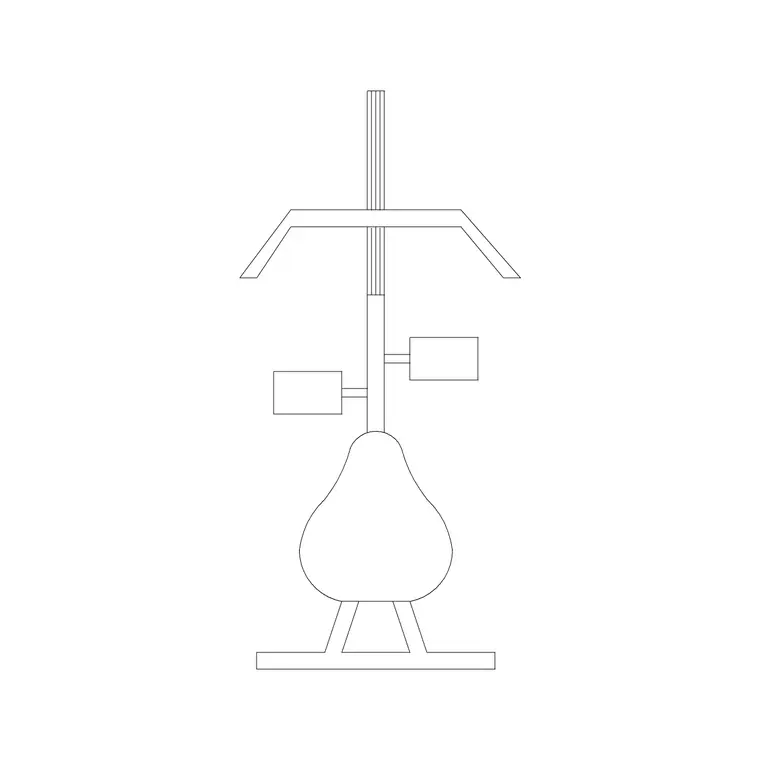
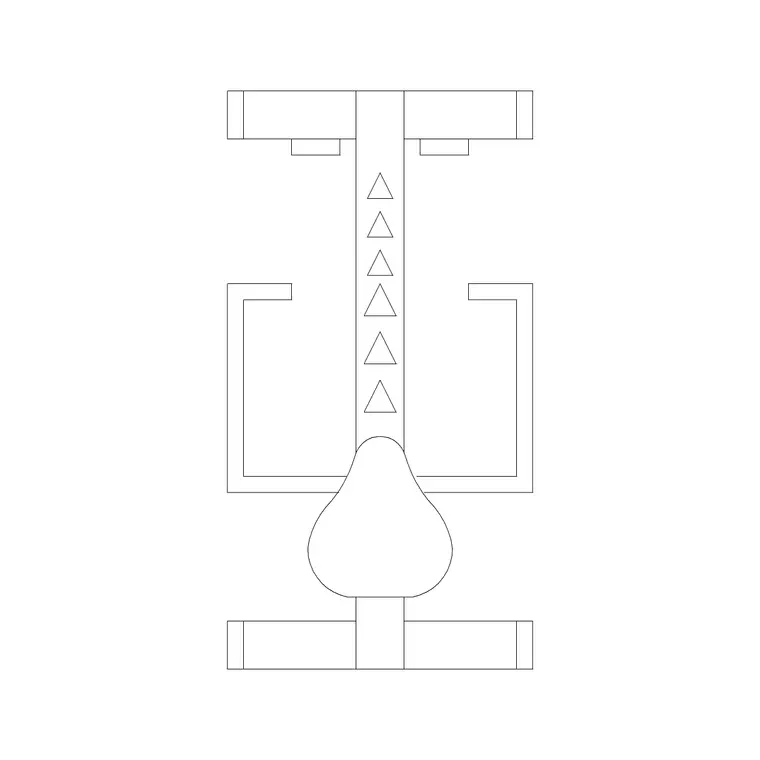
The core blocks are treadmills, ellipticals and gym bikes for the cardio line; benches and weights for the strength zone; general gym-equipment blocks for the resistance circuit; and scale figures to test that a user can mount, exercise and dismount each machine. Because gyms are arrayed from repeating machines, the cardio and resistance blocks copy cleanly into evenly-spaced rows.
Equipment dimensions and safety zones
Keep these ranges close. A treadmill is roughly 2000 × 850–900 mm, plus a run-off zone of about 1000 mm behind the belt so a user thrown back has clear space — the most-missed clearance in any gym. An elliptical or bike sits in a similar footprint band, needing side spacing of 200–500 mm between cardio machines.
Resistance machines vary, but allow mount-and-dismount space on the working side and roughly 600–900 mm between machines for circulation. Free-weight zones want the most room: a rack and bench station needs space to lift clear of neighbours, often 1500 mm or more around the working area, and dumbbell users need swing room. Keep a main gangway of 1000–1200 mm and protect the emergency egress routes clear of kit. The scaled blocks turn these zones into things you draw, not estimate.
Assembling the gym in AutoCAD
Start by zoning the floor: cardio along the windows or a feature wall, resistance machines in a circuit, free weights in their own area away from the cardio, and functional space on open mat. Place the equipment blocks, then draw the safety zone around each — the treadmill run-off, the resistance access space, the free-weight lifting envelope — before you commit the spacing.
Thread the main circulation between the zones at 1000–1200 mm and keep the emergency routes clear of equipment. Use the scale figures to confirm a user can mount, exercise and dismount each machine without entering a neighbour's safety zone. Keep cardio, resistance, free weights, safety zones and circulation on separate layers so you can issue a clean equipment plan and pull a schedule from the drawing.
Cardio line, strength zone and the run-off rule
The cardio line is the easiest zone to get wrong because the run-off behind each treadmill is invisible until something goes wrong. Line treadmills, ellipticals and bikes along a wall or window, leave roughly 1000 mm of clear space behind each treadmill belt, and keep 200–500 mm between machines so users do not clash. Ellipticals and bikes are gentler on run-off but still want side spacing.
The strength zone is the opposite: it needs generous room rather than tight rows. Give free-weight stations their lifting envelope, keep them away from the cardio line and circulation, and leave swing space for dumbbell users. Drawing these zones at true scale is what stops a floor that looks full on paper from being unsafe in use.
Per-item notes for gym blocks
Treadmill — the clearance you cannot skip is the run-off. Line them up, leave about 1000 mm behind each belt and 200–500 mm between machines, and check a scale figure steps on and off safely.
Elliptical / gym bike — array into the cardio line with side spacing; lower run-off demand than a treadmill but still keep machines from clashing.
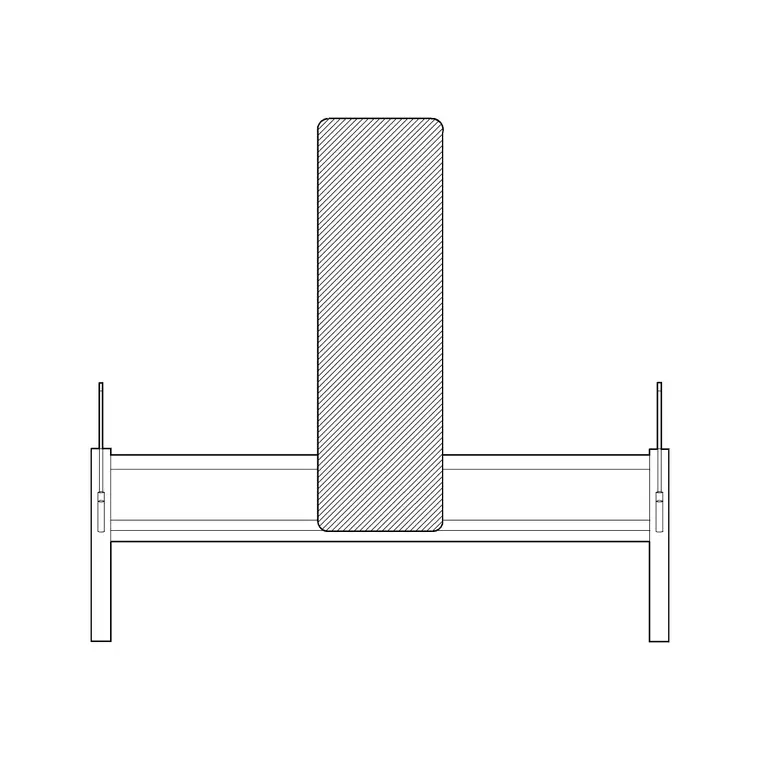
Bench / weight — array the strength zone with mount-and-dismount and lifting space; keep it clear of cardio and circulation with swing room for dumbbells.
Gym-equipment block — for the resistance circuit; keep 600–900 mm between machines.
Human figure (plan) — place one at each machine to prove the user envelope and the access are real.
Why plan view drives gym design
Gym planning is a plan-view discipline: you place machine footprints, draw the safety zones, and check circulation and egress from above — exactly what an equipment plan, a safety-zone drawing and a supplier's CAD coordination all read. The blocks here are drawn for that top-down layout and insert at true size, so the machines you place are the items on the equipment schedule.
Because a gym repeats machines, the cardio and resistance blocks copy into clean rows and the whole zone arrays from one resolved machine plus its safety zone. Lay out the line once, array it, then thread circulation — keeping the floor consistent and the egress provably clear from a single reusable layout.
Free download
Browse the full library — DWG & DXF, no signup.
Questions
Frequently asked
How much space goes behind a treadmill?+
Leave a run-off zone of about 1000 mm of clear space behind the belt so a user thrown backwards has room, plus 200–500 mm between cardio machines. The treadmill block lets you draw this safety zone on the plan.
What CAD blocks do I need for a fitness centre?+
Treadmills, ellipticals and bikes for cardio; benches, weights and resistance machines for strength; and scale figures to test access. All download free in DWG and DXF.
How wide should gym circulation be?+
Keep a main gangway of 1000–1200 mm between equipment zones and protect the emergency egress routes clear of machines. The scaled blocks and safety zones let you verify the routes pass.
Are the fitness centre blocks free for commercial use?+
Yes. Every block downloads free in DWG and DXF with no signup, no watermark and no attribution requirement, and is cleared for commercial project use.
Related downloads
Blocks for this guide
Related categories
Related guides
Room guide
Physiotherapy Room CAD Blocks — DWG Download
Free physiotherapy room CAD blocks in DWG and DXF — treatment couch, exercise bench, bike and scale figures for a physio and rehab room plan. No signup.
Room guide
Yoga Studio CAD Blocks — DWG Download
Free yoga studio CAD blocks in DWG and DXF — mat-grid figures, reception seating and bench blocks for planning a yoga studio floor. No signup.
Room guide
Pilates Studio CAD Blocks — DWG Download
Free pilates studio CAD blocks in DWG and DXF — bench/reformer footprints, mat figures and reception seating for a pilates studio plan. No signup.