Curated pack · rustic furniture cad blocks
Free rustic and wooden furniture CAD block pack
By Saumyajit Maity · Published 27 Jun 2026 · Updated 28 Jun 2026
Rustic and solid-wood furniture is heavier, chunkier and more grounded than its modern cousins: thick plank tops, sturdy turned or trestle legs, farmhouse benches, and pieces that look like they were built to last generations. Drawing a rustic interior means starting from blocks with that solid, generous footprint rather than slim contemporary outlines. This free rustic and wooden furniture CAD block pack gathers the country and farmhouse essentials — solid-wood dining tables, benches and chairs, chunky coffee tables, plank sideboards and dressers, and timber-frame seating — in DWG and DXF for AutoCAD 2004 or later. Everything is free for personal and commercial work, with no signup and no watermark.
Use the pack for farmhouses, country cottages, cabins, rustic restaurants and any interior where solid timber and a lived-in warmth are the brief. Because the blocks are scaled, they let you check the real footprint of a chunky dining set — these pieces are often larger than they look — and the generous gathering space a rustic dining room wants.
Rustic design is about substance: the furniture is the star, and the room is arranged around big, communal pieces. A pack drawn with that weight built in keeps a farmhouse or cabin layout looking solid and authentic, and stops you under-sizing the gathering table at the heart of the scheme.
What's in the rustic wooden pack
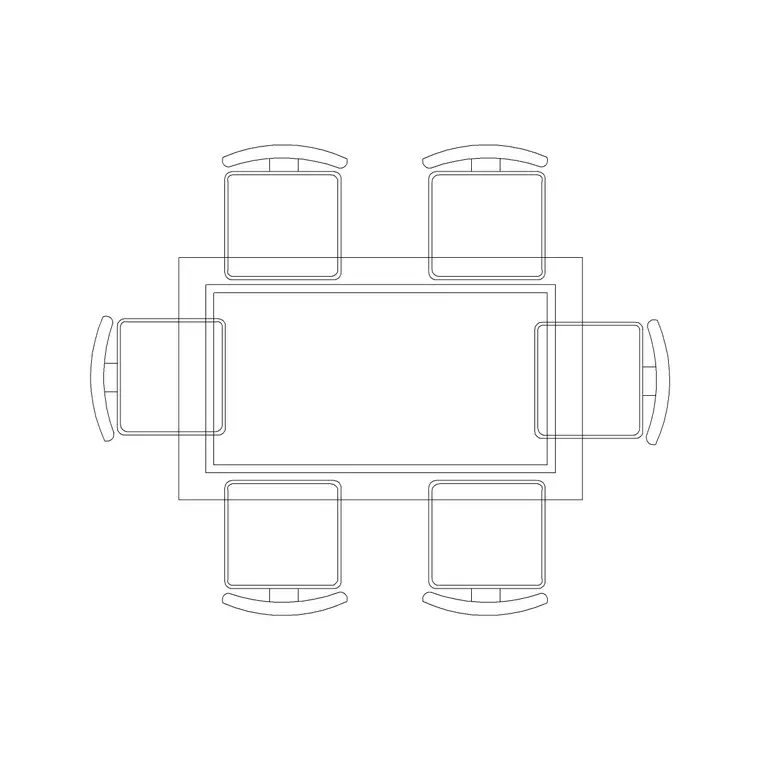
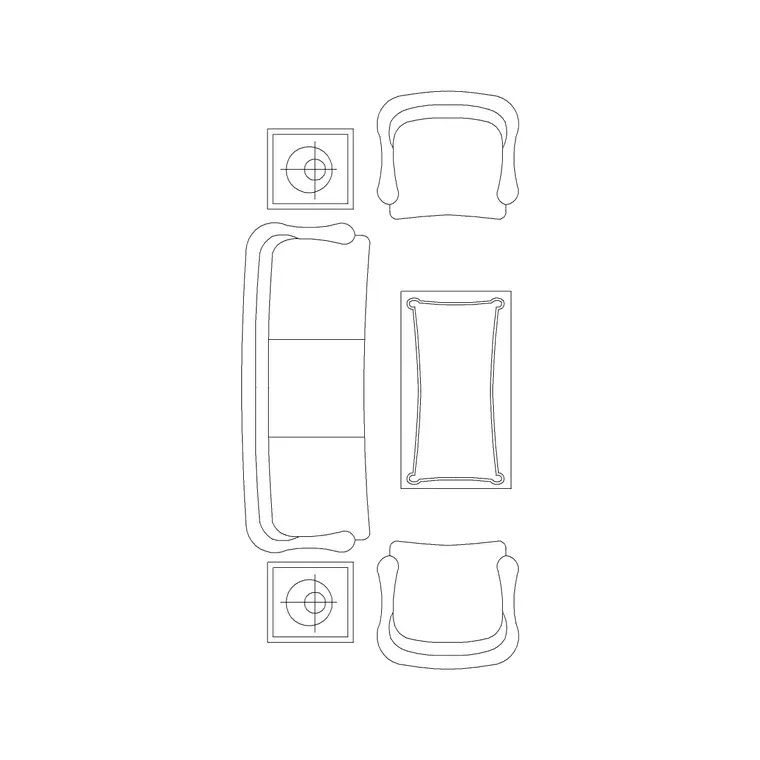
The set covers the farmhouse and country palette. Dining: solid-wood rectangular dining tables (four to ten seats), matching benches and plank-seat chairs, plus round farmhouse tables. Living: chunky coffee tables, timber-frame sofas and armchairs with a sturdy look. Storage: plank sideboards, dressers and open timber shelving.
The weight is the signature — thick tops, substantial legs and trestle or turned bases drawn so the solidity reads even in plan. Together the pieces give a layout the grounded, communal character of rustic design, with the dining table usually the centrepiece.
Designing around the gathering table
Rustic rooms are arranged around big communal pieces, and the dining table is almost always the heart of the scheme. Place it first, centred in the dining zone, and give it the generous surround a farmhouse table deserves — room to pull out benches and chairs and for people to circulate while serving.
Benches change the clearance maths: they slide in further than chairs but need room to swing legs over, so allow space on both long sides. Use the scaled blocks to confirm the table seats the number you need and that the surround supports a crowd, which is the point of a rustic dining room.
Sizes to design around for solid-wood pieces
Reach for these ranges, remembering rustic pieces run chunky. A solid-wood dining table for six is roughly 1600–1800 mm long × 900 mm wide; for eight to ten it grows to 2000–2600 mm, often wider than a modern table to carry the heft. Standard table height stays at 750 mm. Allow 600 mm of width per diner along the table, and 750–1000 mm of clear floor behind chairs to push back and stand.
Chunky coffee tables sit around 400–450 mm high and 1100–1300 mm long. Plank sideboards and dressers run deep, 450–500 mm, and 1600–2200 mm long. The scaled blocks make these generous footprints honest on the plan.
Per-item notes
- Solid-wood dining table: the centrepiece — size it generously and centre it in the dining zone; a rectangular plank top suits benches, a round top suits sociable seating. - Bench: it tucks under further than chairs but needs clear room on both long sides to step over; pair it with the table as a matched set. - Chunky coffee table: its thick top and sturdy legs read solid; keep it central to the seating and check the leg gap to the sofa. - Plank sideboard / dresser: deep and substantial, it anchors a wall; allow for its generous depth when you check the room's circulation.
Each block is a single reference you can copy, mirror and rescale, with definition edits flowing to every instance.
Plan for layout, elevation for the timber character
For the layout you work in plan: the dining table, benches and storage placed with their generous surrounds checked. The plan blocks are what you centre and array to build the communal, grounded arrangement rustic design wants.
For presentation and interior elevations you switch to elevation, where the timber character is at its strongest — thick plank tops, trestle and turned legs, and the heft of a dresser all read face-on and sell the farmhouse warmth. Where a block ships both views, one download covers the working plan and the timber elevation.
Who uses a rustic pack
Interior designers use it for farmhouse, country and cabin residential schemes, and for rustic restaurants, pubs and boutique lodges. Architects use it to furnish barn conversions and rural homes with appropriately solid, scaled blocks. Hospitality designers use it for communal, farmhouse-table dining settings. Students use it for residential and hospitality studio work where warm, licence-clear timber blocks matter.
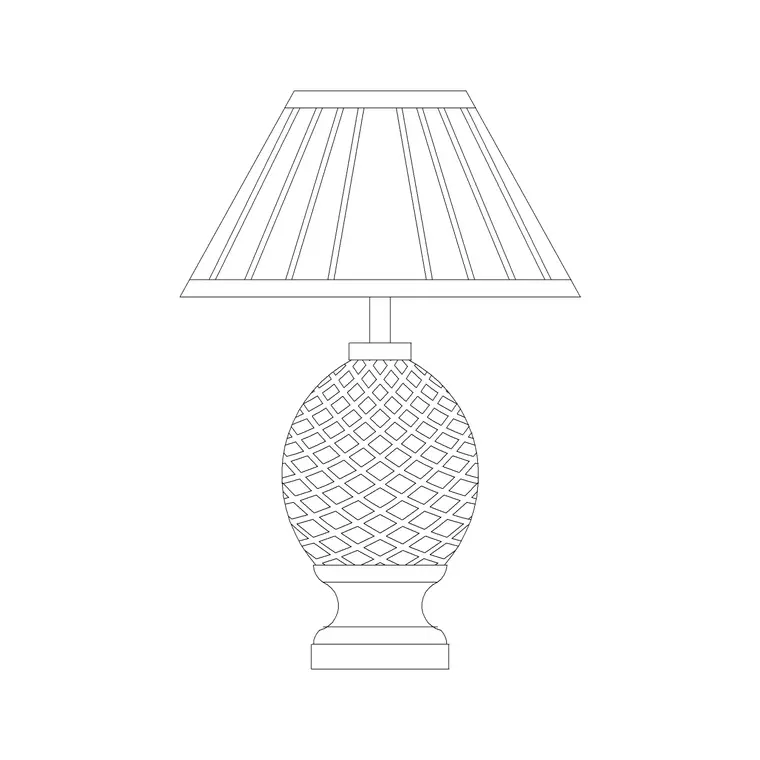
Pair the rustic set with the lighting category for warm fittings and the accessories category for framed art and mirrors, so a whole farmhouse or cabin room is dressed from one consistent, free library.
Free download
Browse the full library — DWG & DXF, no signup.
Questions
Frequently asked
How do rustic blocks differ from the Scandinavian or modern packs?+
Rustic blocks are drawn chunky and solid — thick plank tops, substantial trestle or turned legs, farmhouse benches — with the heavier, more generous footprints solid-wood furniture really has, so a layout reads grounded and communal rather than light and contemporary.
Are the rustic wooden blocks free for commercial use?+
Yes. Every block downloads free in DWG and, where available, DXF, with no signup, no watermark and no attribution requirement, and they are cleared for commercial project use, including hospitality settings.
How much space should I leave around a farmhouse dining table?+
Allow about 600 mm of table width per diner, and 750–1000 mm of clear floor behind chairs to push back and stand. Benches need clear room on both long sides to step over. The scaled blocks let you confirm the table seats your number and the surround supports a crowd.
What scale are the blocks drawn at?+
Full size in millimetres. Insert at scale 1 in a millimetre drawing, or set INSUNITS to millimetres so AutoCAD rescales automatically if your template uses different units.
Related downloads
Blocks for this guide
Related categories
Related guides
Curated pack
Free Modern Furniture CAD Block Pack — DWG/DXF
Free modern furniture CAD block pack in DWG/DXF — modular sofas, low coffee tables, sideboards and accent chairs. No signup, commercial use OK.
Curated pack
Free Classical Furniture CAD Block Pack — DWG
Free classical furniture CAD blocks in DWG/DXF — rolled-arm sofas, carved tables, wingback chairs and classical lamps. No signup, commercial use OK.
Curated pack
Free Minimalist Interior CAD Block Pack — DWG
Free minimalist interior CAD blocks in DWG/DXF — clean-line sofas, plain tables and pared-back storage for AutoCAD. No signup, commercial use OK.