Room guide · pooja room cad blocks
Free pooja room CAD blocks for AutoCAD
By Sumana Kumar · Published 9 Feb 2026 · Updated 20 Apr 2026
A pooja room — a puja or prayer room — is a small dedicated space within an Indian home for daily worship. It centres on the mandir, the shrine that holds the deities, and on the act of sitting before it: lighting a lamp, offering, and praying. It is a room where layout carries cultural and practical weight at once, because the placement of the mandir, the direction it faces, the seating before it and the storage for ritual items all matter to how the room is used every day.
This page collects free pooja room CAD blocks in DWG and DXF — mandir and shrine units, low seating, storage cabinets and lamp positions — drawn to true millimetre scale and ready to insert into AutoCAD 2004 or later. Every block is free for personal and commercial use with no signup, no watermark and no attribution required, whether you are planning a dedicated pooja room, a niche in a wall, or a compact mandir unit in an apartment.
Because the pooja room is organised around the mandir and the worshipper before it, a scaled plan lets you set that relationship correctly: the shrine on its wall, clear floor for sitting, storage within reach, and lamp and ventilation positions that suit the use of flame and incense.
What a pooja room is for
A pooja room is a place of daily worship, so its design follows use rather than fashion. The mandir holds the deities and is the focal point; the worshipper sits or stands before it; ritual items — lamps, incense, bells, offerings, books — need a home close by; and there is usually open floor for sitting on a mat during longer prayers. The room is often small, sometimes a niche, but its arrangement is deliberate.
Orientation traditionally matters: in many households the mandir is placed so the worshipper faces a favoured direction (commonly east or north) during prayer, so the wall the shrine sits on is often chosen for that reason. While these blocks are about layout rather than ritual prescription, the plan should let you place the mandir on the chosen wall and arrange everything else to face it. A scaled drawing is the calm way to settle all of this before any joinery is built.
Placing the mandir and the seating before it
The mandir is the anchor. It may be a freestanding wooden temple unit, a wall-mounted shrine, or a built-in niche. Draw it on the chosen wall first, at its real depth, because it sets the direction the whole room faces.
In front of the mandir, reserve clear floor for the worshipper. Many people sit on a low mat or asana on the floor rather than on a chair, so the key clearance is comfortable seated space facing the shrine, with room to lean forward to light a lamp or make an offering. Where elders use the room, low seating or a small stool may be added, but the floor-sitting zone is usually the priority.
Keep the immediate area in front of the mandir uncluttered — it is both the prayer space and, with lamps and incense in use, a zone you want clear of anything flammable. Draw that clear sitting-and-offering zone explicitly on the plan.
Storage, lamps and the elements
Around the mandir and the sitting zone, the pooja room needs storage and the right small fixtures.
- Mandir / shrine unit: the focal point, on the chosen wall. - Low storage cabinet or drawers: below or beside the mandir for lamps, incense, books, offerings and ritual items kept tidy and to hand. - A low stool or seat: for elders who prefer not to sit on the floor, set facing the shrine. - Lamp positions: hanging or wall lamps that light the shrine warmly; mark their positions on the plan. - Ventilation: incense and oil lamps produce smoke, so a window or vent is important — note it on the plan even though it is not a block. - A wall clock: many households time daily prayers, so a clock reads naturally in the room.
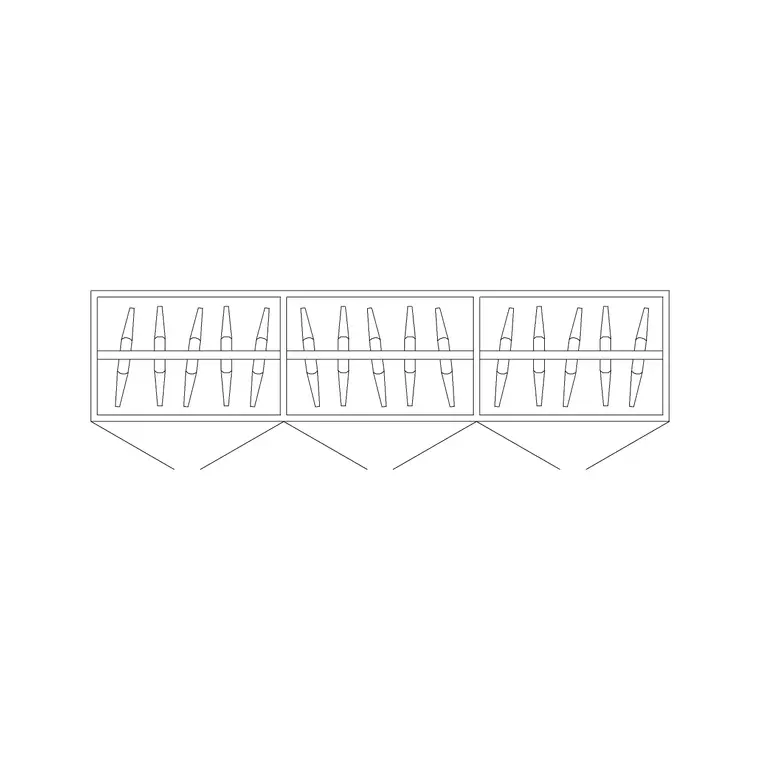
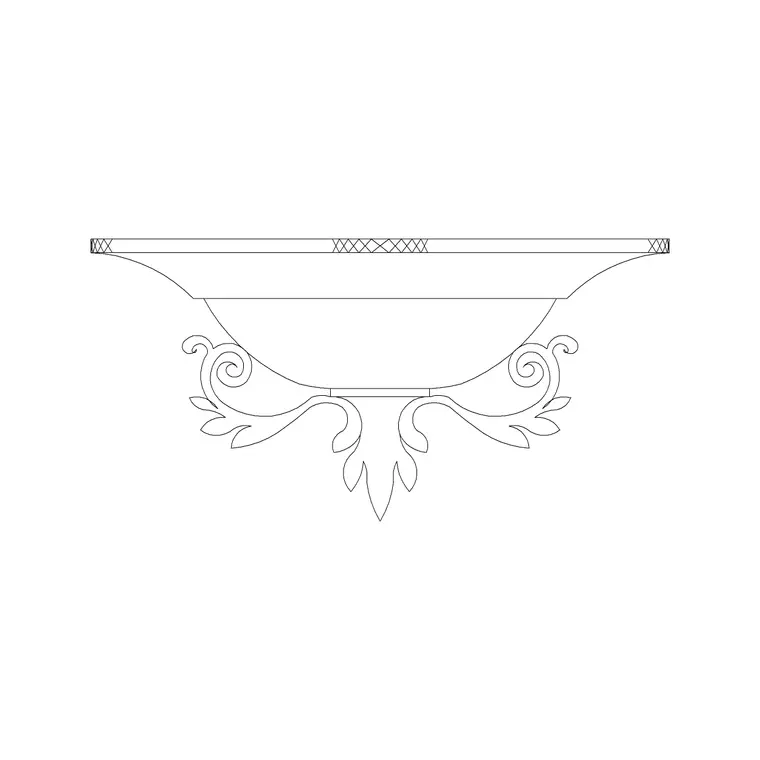
These storage, seat, lamp and clock blocks are free below, and grouping the storage close to the sitting zone keeps everything for worship within arm's reach.
Dimensions and clearances
Use these as ranges and adapt to the household. A compact mandir unit might be 600 to 900 mm wide and 300 to 450 mm deep; a larger freestanding temple can be wider and deeper, and a full pooja room might be 1.2 to 2.4 metres on a side. In front of the mandir, allow a clear floor-sitting zone of at least 800 to 1000 mm deep so a person can sit comfortably and lean forward to the shrine.
Low storage cabinets sit at convenient seated-reach height; keep daily-use items in the easy band so they can be reached from the sitting position. If a stool is provided, give it the usual clear pull-out. Mark a window or vent near the lamp position for smoke, and keep the lamp and incense zone clear of curtains, hanging cloth or anything flammable above. These figures are guides; the household's own mandir and habits set the final sizes.
Drawing the pooja-room plan
Work in millimetres, insert at scale 1, and use layers for the mandir/joinery, seating, storage and lamp positions. Decide the wall for the mandir first — often chosen for the direction the worshipper will face — and place the shrine block there at its real depth.
Draw the clear sitting-and-offering zone on the floor directly in front, sized for comfortable seated prayer, and keep it free of furniture and anything flammable. Place the low storage below or beside the mandir within seated reach, and add a stool facing the shrine if elders use the room. Mark the lamp positions to light the shrine and the window or vent for smoke. Add a soft ceiling or wall light for general use, then check the door swing does not intrude on the sitting zone. The finished plan should read as a calm, uncluttered space that faces the shrine.
Common pooja-room mistakes
The first mistake is crowding the area directly in front of the mandir, leaving no comfortable clear floor to sit and pray; this is the room's primary purpose, so protect that zone above all.
The second is ignoring ventilation. Oil lamps and incense produce smoke, and a sealed pooja room becomes stuffy and stains the ceiling; mark a window or vent on the plan near the lamp position.
The third is placing flammable materials — curtains, hanging decorative cloth, low shelves of paper — directly above or beside the lamp and incense zone; keep that area clear on the plan. The fourth is treating storage as an afterthought, so lamps, matches, incense and books end up scattered; a dedicated low cabinet within seated reach keeps the daily ritual smooth. Drawing the room to scale makes each of these easy to get right before anything is built.
Free download
Browse the full library — DWG & DXF, no signup.
Questions
Frequently asked
How much clear space should be in front of a mandir?+
Allow a clear floor-sitting zone of at least 800 to 1000 mm deep directly in front of the mandir so a worshipper can sit comfortably and lean forward to light a lamp or make an offering. Keep this zone free of furniture and anything flammable.
Does the direction the mandir faces matter in the plan?+
Traditionally yes — many households place the mandir so the worshipper faces a favoured direction such as east or north during prayer, which often decides the wall the shrine sits on. Draw the mandir on that chosen wall first, then arrange the room to face it.
Why is ventilation important in a pooja room?+
Oil lamps and incense produce smoke, so a sealed pooja room becomes stuffy and stains the ceiling over time. Mark a window or vent on the plan near the lamp position, and keep curtains and other flammable materials clear of the lamp and incense zone.
Are these pooja room CAD blocks free to download?+
Yes. All mandir, seating, storage and lamp blocks are free in DWG and DXF for personal and commercial use, with no signup, no watermark and no attribution required.
Related downloads
Blocks for this guide

Related categories
Related guides
Room guide
Free Reception Lobby CAD Blocks — DWG Download
Download free reception lobby CAD blocks in DWG and DXF — reception desk, waiting sofas, planters and lighting in plan. AutoCAD 2004+, no signup.
Room guide
Free Conference Room CAD Blocks — DWG Download
Download free conference room CAD blocks in DWG and DXF — large conference tables, chairs, screens and lighting for layouts. AutoCAD 2004+, no signup.
Room guide
Free Meeting Room CAD Blocks — DWG Download
Download free meeting room CAD blocks in DWG and DXF — small meeting tables, chairs, screen and planter for compact layouts. AutoCAD 2004+, no signup.