Curated pack · nursery daycare cad blocks
Free nursery and daycare CAD block pack for AutoCAD
By Sumana Kumar · Published 25 Jan 2026 · Updated 6 Apr 2026
A nursery is designed around small bodies and adult sightlines: furniture is low so children reach it, but staff must see across the whole room at a glance, and the layout has to give each child a generous share of clear floor. Planning that in AutoCAD is quicker when the furniture is already scaled to nursery sizes rather than adult ones. This free nursery and daycare CAD block pack gathers the pieces you place most — child tables and small chairs, cots and a sleep zone, play mats and soft-play, low storage, a nappy-change unit and a reception desk — in DWG, drawn at true dimensions for AutoCAD 2004 or later. Everything is free for personal and commercial work, with no signup and no watermark.
Use the pack to zone the room into activity, sleep, messy and quiet areas first, then place the low furniture so staff sightlines stay open across the whole space. Because the blocks carry their real, scaled-down footprint, you can test the clear floor per child and the buggy and cot spacing the moment they land.
A nursery also carries safeguarding duties an ordinary room skips: clear sightlines with no blind corners, separate sleep and messy zones, a hygienic nappy-change run and a controlled entrance. Starting from scaled blocks means those requirements show up as real distances on the plan instead of being discovered when the room fills with children.
What the nursery and daycare pack covers
The pack spans the nursery age range. Activity: low round and rectangular child tables with small stacking chairs, and play mats for floor activities. Sleep: stacking cots and a quiet sleep-zone outline kept apart from active play. Storage: low open shelving and trolley units children can reach. Care: a nappy-change unit with the hygiene run shown, and a small staff sink. Front of house: a reception desk and a buggy park near the entrance.
Because activity tables repeat across a room, the table-and-chair set is built as a single group you can array, while the sleep and care fixtures are placed deliberately in their own zones.
Standard nursery dimensions to design around
Use these ranges as planning references, not fixed specs, and note that nursery furniture is deliberately small. A child table is often around 600–1200 mm across with chairs at a much lower seat height than adult chairs, and a child needs only roughly 350–450 mm of width at the table. Aisles between activity zones still want around 900–1000 mm so a staff member can pass with a child.
A stacking cot footprint is roughly 600–700 mm by 1200 mm, and the sleep zone should give each cot a clear surround. The nappy-change run wants a continuous hygienic strip with the change unit, a sink and storage in sequence. A buggy park near the door needs a deep clear bay. Drop the scaled blocks in and these clearances read off the plan.
Building the nursery layout from the blocks
Zone the room first: activity and messy play near the wet services and floor drainage, the quiet sleep zone in the calmest corner away from the entrance, and storage along the walls within child reach. Place the low furniture so nothing tall blocks a staff sightline across the room — the whole space should be supervisable from any working position.
Set the nappy-change run near the WC and water, and the reception and buggy park at the controlled entrance. Keep activity, sleep, storage, care and reception on separate layers so a safeguarding-sightline plan and a furnished plan come from the same drawing without redrawing anything.
Per-item notes: tables, cots and the change unit
The child table and chair set is the block you array most; keep it grouped so a single edit updates every activity bay, and remember the seat height is nursery-scale, not adult, when you later draw any elevation. The cots earn their value through the clear surround in the sleep zone — draw that surround as floor on a separate layer so cots never end up touching.
The nappy-change unit is the one fixture with a hygiene sequence to honour: draw it as a change-sink-store run on its own layer so the dirty-to-clean direction is explicit, and keep it out of the activity sightlines. Low storage should sit at child-reach height and never grow tall enough to create a blind corner that breaks supervision.
Plan view and the supervision sightline
Nursery planning is a plan-view discipline: you arrange activity, sleep, care and storage zones seen from above, so every block here is drawn in plan. That is the view that proves the zones separate cleanly, the sightlines stay open and the accessible route reaches every area.
Draw staff sightlines as lines on a setting-out layer from likely supervising positions and confirm no tall fixture creates a blind spot. If you need a storage or change-unit elevation for the joinery, draw it separately on its own layer; the plan blocks fix the positions that elevation must follow. Working plan-first keeps supervision and zoning honest before any furniture is detailed.
Who uses the nursery and daycare pack
Architects and childcare fit-out specialists use it to turn a shell into a costed, age-appropriate layout quickly. Interior designers use it to zone a room for activity, sleep and care while keeping sightlines open. Students use it for studio briefs and portfolio boards where licence-clear, correctly-scaled child furniture matters.
Because the blocks are free and unrestricted, the same pack carries from a small daycare room to a multi-room nursery. Pair it with the furniture and office categories to add the staff seating, reception and back-office furniture that complete the building, and you can lay out the whole nursery from one consistent library.
Free download
Browse the full library — DWG & DXF, no signup.
Questions
Frequently asked
What is in the nursery and daycare CAD block pack?+
Low child tables and small chairs, stacking cots and a sleep zone, play mats, low storage, a nappy-change unit with sink, a reception desk and a buggy park — all drawn in plan at true scale.
Is the furniture drawn at child scale or adult scale?+
Child scale. Tables, chairs and storage are drawn at nursery dimensions with low seat and shelf heights, so the layout reflects how small children actually use the space rather than adult furniture.
Are the nursery blocks free for commercial use?+
Yes. Every block downloads free in DWG with no signup, no watermark and no attribution requirement, and they are cleared for commercial project use.
What units are the blocks drawn in?+
Millimetres, full size. Insert at scale 1 in a millimetre drawing, or set INSUNITS to millimetres so AutoCAD rescales the block automatically on insertion.
Related downloads
Blocks for this guide
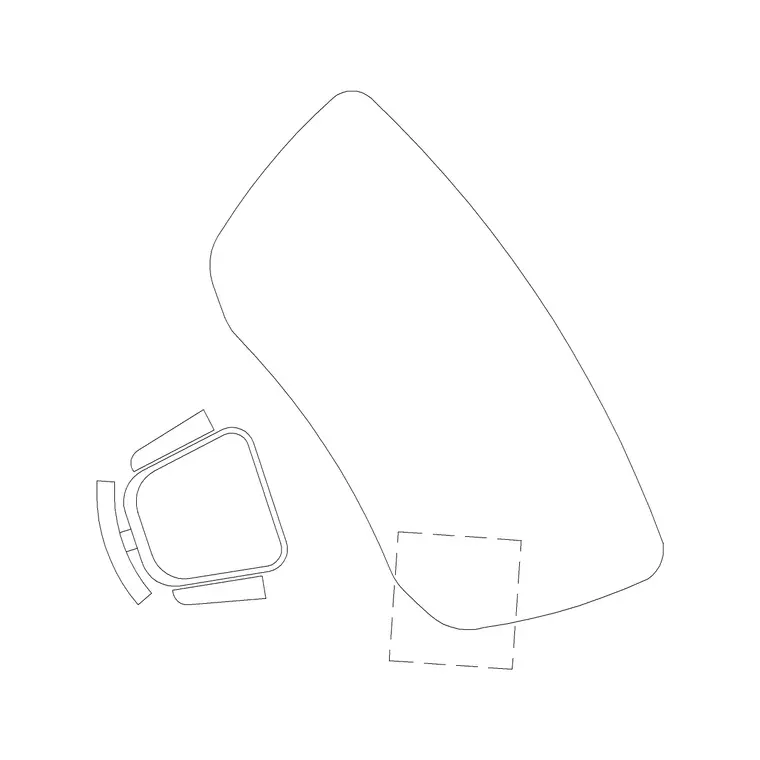
Popular blocks to download
Related categories
Related guides
Curated pack
Free Office CAD Block Pack — DWG & DXF
Free office CAD block pack in DWG and DXF — desks, workstations, conference tables and reception furniture in plan view. No signup, commercial-use OK.
Curated pack
Free Reception Area CAD Block Pack — DWG
Free reception area CAD block pack in DWG and DXF — reception desks, waiting seating and scale figures for lobby layouts. No signup, commercial-use OK.
Curated pack
Free Restaurant CAD Block Pack — DWG & DXF
Free restaurant CAD block pack in DWG and DXF — dining tables, chairs, bar stools and high chairs for cafe and restaurant layouts. No signup, commercial OK.