Room guide · cafeteria cad blocks
Free cafeteria CAD blocks for AutoCAD
By Sumana Kumar · Published 30 Apr 2022 · Updated 24 May 2026
A cafeteria is a flow machine. Hundreds of people arrive in a short window, queue past a servery, find a seat, eat, and clear out — and the layout's whole job is to keep that crowd moving without jams. Unlike a restaurant, where diners trickle in and linger, a cafeteria peaks hard at meal times, so the queue, the tray return and the seating density are the design. Scaled table and chair blocks let you pack the dining floor to a real capacity and still leave the circulation that a peak rush demands.
This page collects free cafeteria CAD blocks in DWG and DXF — dining tables, chairs, a servery counter, human figures and canteen/wayfinding symbols — drawn to scale for AutoCAD 2004 or later. All free for personal and commercial work, no signup, no watermark.
Use the blocks to lay out a school or college cafeteria, a staff canteen, a hospital or factory dining hall, or a food-court seating area. Because the tables, chairs and aisles are scaled, you can test seating capacity, the queue past the servery, the tray-return route and the circulation that stops a lunch rush from gridlocking.
A cafeteria is about peak flow
A cafeteria feeds a large population in a tight time window, so it's designed for its busiest fifteen minutes, not its average. The sequence is fixed: enter, collect a tray, queue along the servery, pay or tap, find a seat, eat, return the tray, leave. If any step in that chain backs up — the queue spills into the entrance, the tray return clogs an aisle — the whole hall jams. The plan has to make that one-way journey smooth.
That means a cafeteria reads as a process diagram more than a furniture plan. The servery and queue are the front end; the dining floor is the body; the tray return and exit are the back end. Ideally entry and exit are separate so incoming and outgoing crowds don't collide. Lay the servery, the queue path, the tray return and the doors first, then fill the remaining floor with the densest comfortable seating.
Servery, queue, dining floor, tray return
Break the cafeteria into its flow stages. The servery is a counter or a run of counters (hot, cold, drinks, till) that the queue passes along; a straight or L-shaped servery keeps the line moving, while a scramble layout with islands lets people pick stations in any order to cut the queue. The queue needs length and width so it doesn't block the entrance. The dining floor holds the tables, packed but with clear aisles. The tray-return point sits near the exit so people clear their tray on the way out, with a route that doesn't cross the entry queue.
Keep the incoming queue and the outgoing tray-return/exit on separate paths. Seat figures at tables and walk standing figures along the queue and the return route to confirm the two flows don't tangle. The servery and tray return are the pinch points — give them room.
The blocks that furnish a cafeteria
Cafeteria furniture is repetitive and built for turnover.
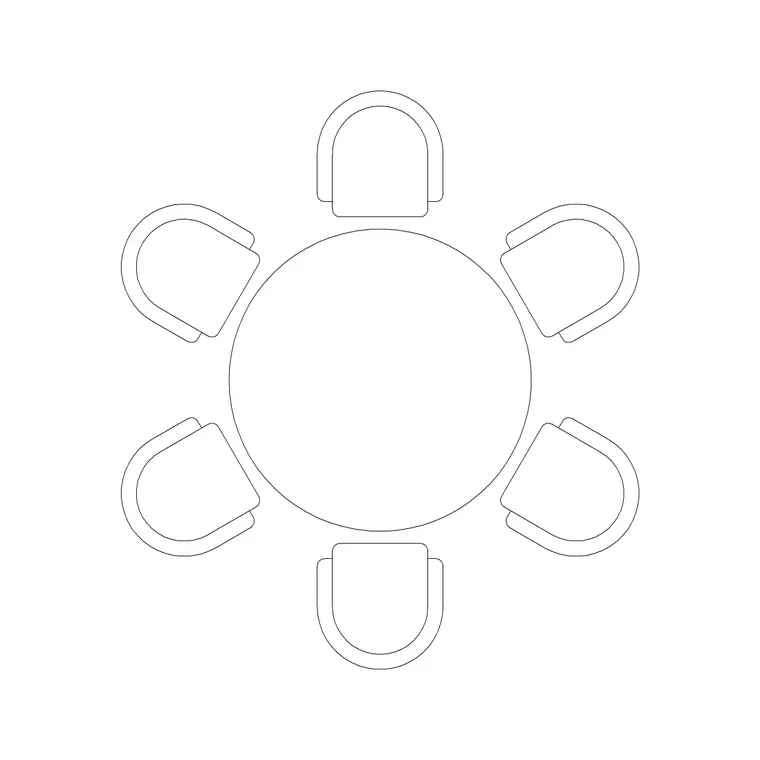
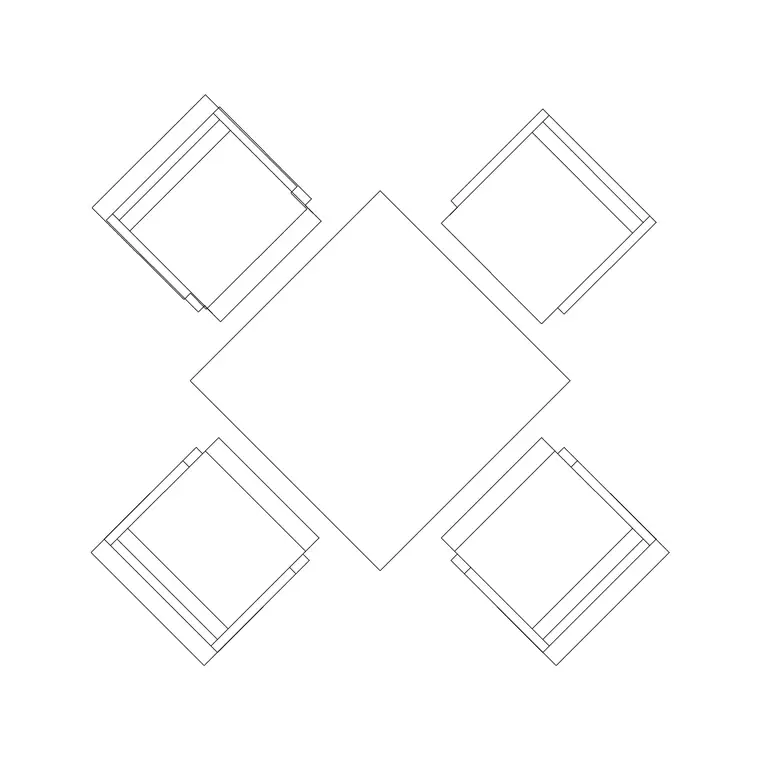
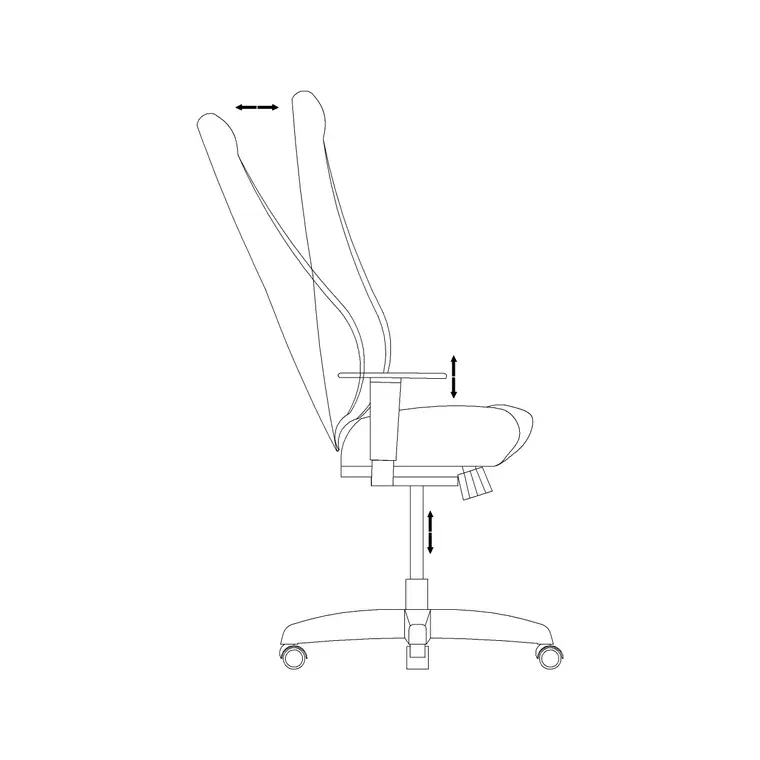
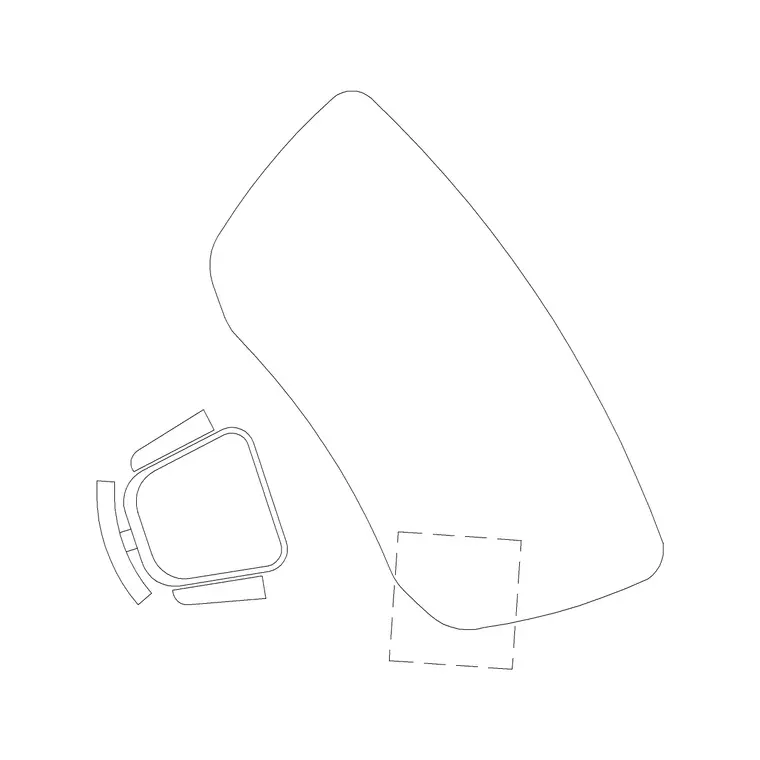
- Dining tables — round and rectangular tables; the 1200mm round 6-person and the 1000mm/800mm 4-person table blocks cover the usual mix of small and shared tables. - Chairs — pulled up to every place, one per seat, on their own layer. - Servery counter — a reception-table or office-table run stands in for the serving counter and till point. - Human figures — seated figures to set the dining density and standing figures to lay out and test the queue and tray-return flow. - Building symbols — the canteen/wayfinding symbol, plus accessibility and exit symbols for routes and egress.
Keep tables, chairs, the servery, figures and symbols on separate layers so a furniture plan, a flow diagram and an egress/accessibility plan all come from one drawing.
Dimensions, capacity and circulation
Use these as design ranges. Dining place: allow roughly 600–700 mm of table edge per person so trays and elbows fit. Round 6-seat table: around 1200 mm diameter; rectangular tables seat along both long sides. Chair pull-out behind a seat: about 500 mm to sit and stand. Between table rows, keep a circulation aisle wide enough for people carrying trays to pass — often 1000–1200 mm — with wider main routes through the floor.
The queue needs enough length for the expected peak line and enough width that it doesn't choke the entrance. Keep a clear accessible route from the servery to accessible seating and to the tray return. The tray-return area needs approach space so a small queue there doesn't block an aisle. Drop scaled figures into the seats, the queue and the return route, and capacity and circulation become visible rather than guessed.
Building the cafeteria plan from blocks
Draw the shell and place the entrance, the servery run and the exit. Lay the queue path along the servery with a line of standing figures so you can see its real length and check it doesn't reach the door. Position the tray return near the exit on a separate path. Now fill the dining floor: insert one table, pull chairs up, and array the cluster across the floor leaving tray-width aisles and wider main routes.
Seat figures at a sample of tables to confirm capacity and spacing, and walk standing figures along the queue and the return route to prove the two flows don't cross. Mark the canteen, accessibility and exit symbols. With tables, chairs, servery, figures and symbols layered, you can issue the furniture plan, the peak-flow diagram and the egress plan from one drawing — and WBLOCK a standard table-and-chairs cluster to repeat across the floor.
Common cafeteria layout mistakes
The first is a queue that backs up into the entrance, so arrivals can't even get in — give the servery queue enough length and width, or break the servery into scramble islands to split the line. The second is mixing the incoming queue with the outgoing tray-return and exit, so the two crowds collide at the busiest moment; separate the paths. The third is packing tables so tight that someone carrying a tray can't pass a seated diner — always size aisles for a person with a tray, not an empty hall.
Other traps: a tray return tucked where it clogs a main aisle, no clear accessible route from servery to seating, and forgetting that chairs pulled out eat the aisle. Seating figures across the floor and walking the queue and return routes with figures exposes the jams before the cafeteria opens to a real lunch rush.
Free download
Browse the full library — DWG & DXF, no signup.
Questions
Frequently asked
How do I keep a cafeteria queue from blocking the entrance?+
Give the servery queue enough length and width for the peak line, and keep it clear of the door. If the queue is still too long, break the servery into a scramble layout with separate stations so people pick what they want in any order, which splits one long line into several short ones.
How wide should aisles be between cafeteria tables?+
Wide enough for someone carrying a tray to pass a seated diner — often 1000–1200 mm as a design range, with wider main routes. Remember chairs pulled out reduce the gap, so check the aisle with seating figures in place, not just the bare table outlines.
Why separate the entry queue from the tray return?+
Because a cafeteria peaks hard at meal times, and if incoming diners and people returning trays share a path they collide at the busiest moment. Route the queue in at one point and the tray return and exit at another, then walk figures along each to confirm the two flows don't cross.
What table mix works best in a cafeteria?+
A mix of sizes: round 6-seat tables and rectangular 4-seat tables let you pack the floor efficiently while giving groups and individuals somewhere to sit. The catalogue includes both, so you can array a dense, varied layout and read the total capacity straight off the blocks.
Related downloads
Blocks for this guide
Related categories
Related guides
Room guide
Free Bank Branch CAD Blocks — DWG Download
Free bank branch CAD blocks in DWG and DXF — teller counters, advisory desks, seating and figures to plan a branch interior in AutoCAD. No signup.
Room guide
Free Community Hall CAD Blocks — DWG Download
Free community hall CAD blocks in DWG and DXF — round and rectangular tables, chairs, figures and exit symbols for a multipurpose event hall.
Room guide
Free Classroom CAD Blocks — DWG Download
Free classroom CAD blocks in DWG and DXF — student desks, chairs, teacher tables and figures to lay out a teaching room in AutoCAD. No signup.