Room guide · pharmacy layout cad blocks
Design a pharmacy layout with free CAD blocks in 2026
By Sumana Kumar · Published 4 Oct 2025 · Updated 1 Jun 2026
A pharmacy is a hybrid: half regulated dispensary, half self-service retail shop. The floor plan has to satisfy two very different masters at once — the controlled, secure, staff-only dispensing area where prescriptions are made up, and the open front-of-shop where customers browse over-the-counter medicines, toiletries and health products. Tying them together is a counter that must handle queues, privacy for health conversations, and a clear line of supervision over the OTC floor.
This guide covers laying out a community pharmacy or chemist in AutoCAD from free CAD blocks. Each linked block downloads free in DWG and DXF at true millimetre scale for AutoCAD 2004 or later — no signup, no watermark, cleared for commercial fit-outs. Because the counter, seating and fixtures are drawn full size, you can test the queue space and the consultation clearances as you draw.
It suits community pharmacies, chemist shops, drugstore-style health retailers and clinic dispensaries.
The two halves of a pharmacy
The plan's central tension is dispensary versus shop. The dispensary is a secure, staff-only zone behind the counter holding the controlled and prescription stock, the bench where medicines are prepared and checked, the fridge for cold-chain drugs, and often a small office for the pharmacist's records. It must be lockable and out of customer reach.
The front-of-shop is open retail: gondola runs of OTC medicines, vitamins, baby care, toiletries and seasonal lines, arranged so customers self-serve and staff at the counter keep a clear sightline over them. The dispensing counter is the hinge between the two — the only point where the regulated and the open worlds meet.
Zoning: dispensary, counter, OTC floor, consultation
Plan four zones. The dispensary sits at the back, secure and staff-only, against the wall that carries the bench and fridge. The dispensing counter spans the boundary, with separate drop-off and collection points if the volume justifies it. The OTC retail floor fills the front with gondolas and wall shelving, like a small supermarket grid. A private consultation room — increasingly a requirement for vaccinations, health checks and confidential advice — sits to one side, accessible from the shop but enclosed.
Waiting seating near the counter is important because customers often wait for a prescription to be made up. Mark each zone on its own layer and confirm the pharmacist's sightline from the dispensary over the whole OTC floor.
Counter, consultation and the CAD blocks
While the dispensary bench and secure shelving are usually drawn as fixtures, the customer-facing furniture comes from the free blocks below:
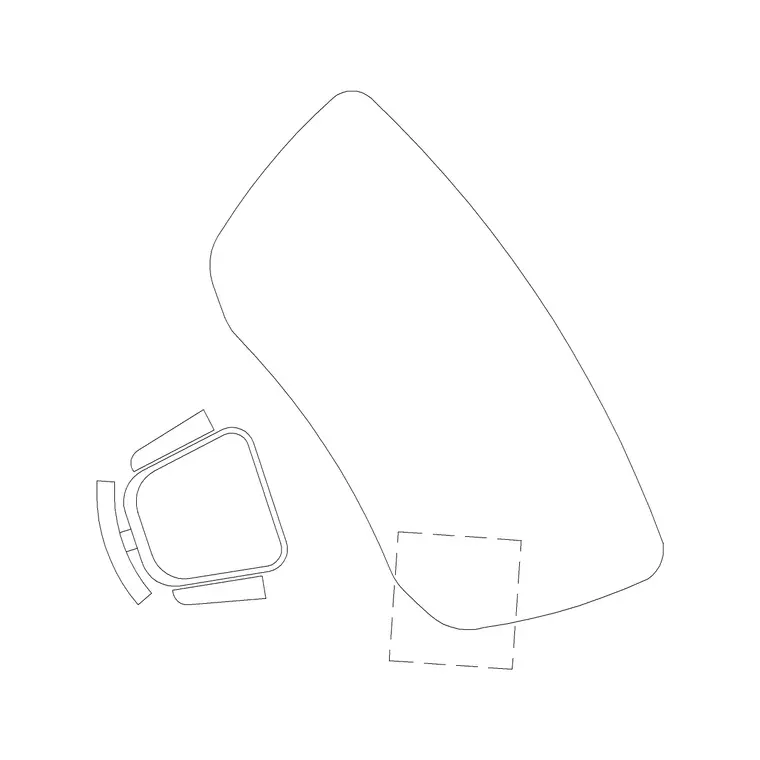
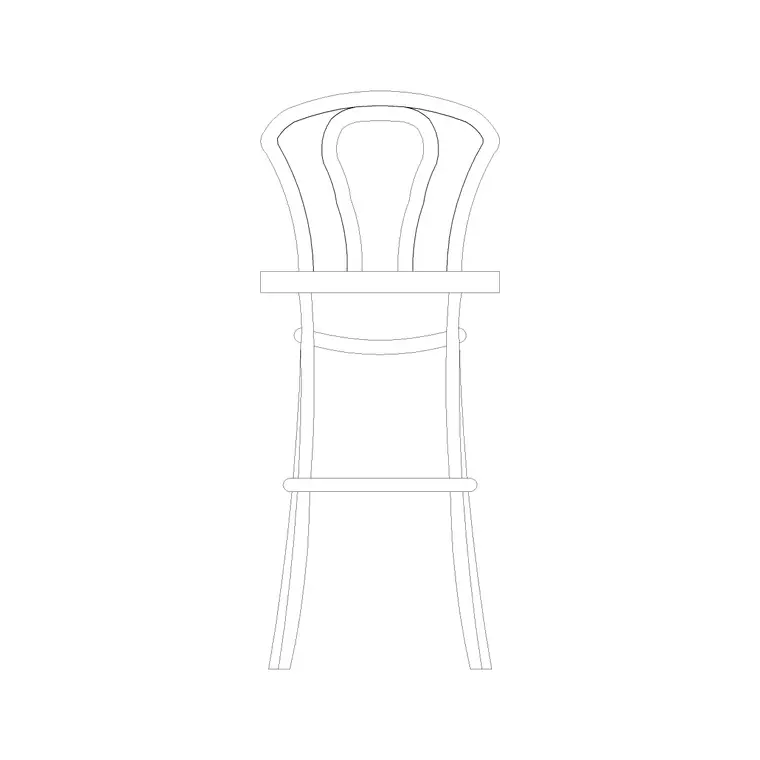
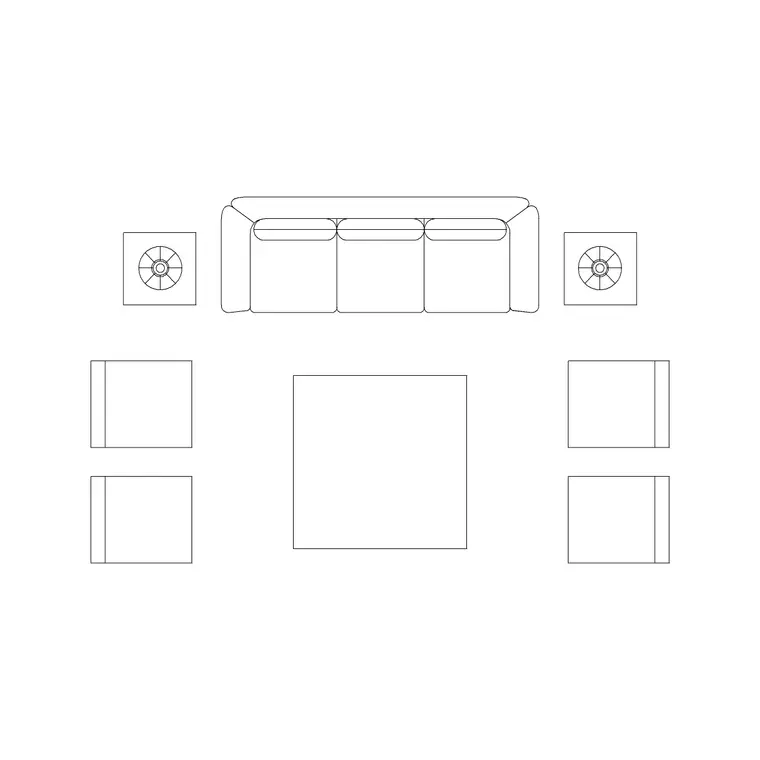
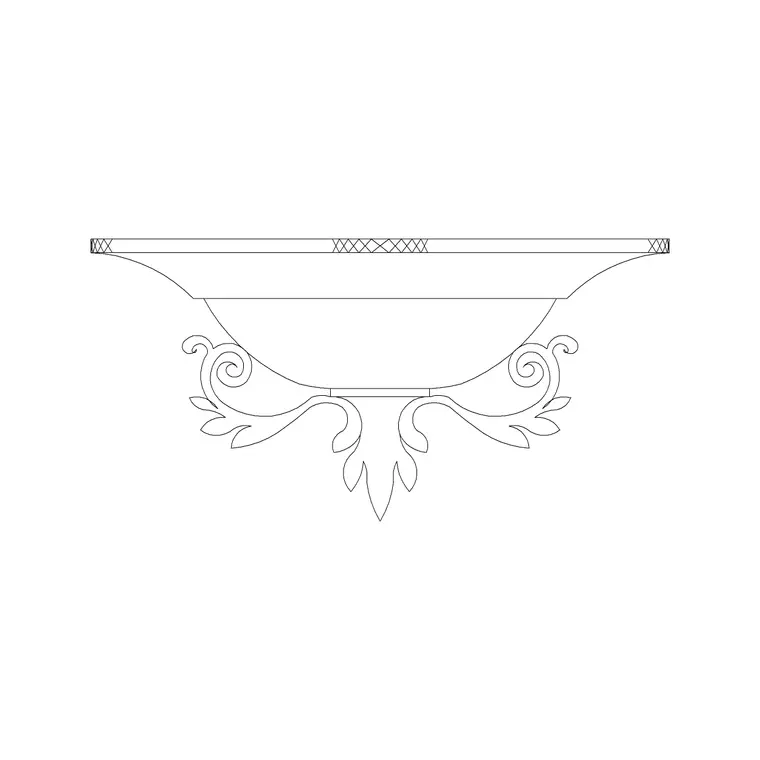
- A reception-table block stands in for the dispensing counter and the consultation-room desk. - A run of accent chairs or a small sofa makes the waiting area where customers sit while a prescription is prepared. - Round-back stools serve the consultation room and any staff seating at the bench. - Gondola and wall shelving for the OTC floor you draw as arrayed rectangles, as in a supermarket. - Ceiling lamps give the bright, even, clinical lighting a dispensary needs for safe dispensing; wall lamps and a softer pendant can warm the consultation room. - A wall clock at the counter helps both customers and staff track waiting times; restrained wall art and a plant soften the otherwise clinical feel.
Keep the dispensary fixtures, OTC gondolas, counter and seating on separate layers so the secure and the open areas read clearly.
Dimensions and clearances
Plan around these ranges. Dispensing counter: 600–750 mm deep, with at least 1000–1200 mm of customer queuing space in front and 1000 mm of clear working space behind for staff to pass the bench. The dispensary bench needs about 900 mm of standing/working space in front of it for the pharmacy team.
OTC aisles follow retail figures: main path 1200–1800 mm, secondary aisles 900–1200 mm, gondolas 1350–1650 mm high so staff see over them. A consultation room runs about 2400–3000 mm by 2100–2400 mm — room for a desk, two or three chairs and an examination space, with a door for privacy. Keep a 1500 mm turning circle at the counter and the consultation room for accessibility. Full-size blocks make the queue and consultation clearances visible as you draw.
Building the pharmacy plan
Draw the shell and the entrance, then set the dispensary at the back against its services wall, walling it off as a secure zone with the bench and fridge along the back. Lay the dispensing counter across the dispensary boundary, leaving the queue space in front. Place the OTC gondola grid across the front floor as arrayed rectangles, keeping a clear sightline from the dispensary over them.
Position the private consultation room to one side with its desk and chairs. Add the waiting seating near the counter, the clinical ceiling lighting over the dispensary and floor, and softer light in the consultation room, all on the lighting layer. Finish with a counter clock, a little wall art and a plant. Insert every block at scale 1 in a millimetre drawing on its layer, then confirm the pharmacist's supervisory sightline and the security of the dispensary boundary.
Common pharmacy mistakes
The most serious mistake is a weak boundary between the open shop and the dispensary — controlled stock must be genuinely out of customer reach and behind a lockable line, so the plan has to make that separation hard. Another is forgetting the private consultation room, now central to a pharmacy's services, or making it so small it cannot be used. Too little queuing space in front of the counter causes congestion at the busiest, most regulated point in the shop.
In the drawing, the recurring errors are merging the secure dispensary fixtures with the open retail layer (so the security boundary is invisible on the plan) and forgetting the bright, even task lighting the dispensary needs for safe dispensing. Keep the counter, seating and gondolas as block references and arrays so the layout stays editable as the brief evolves.
Free download
Browse the full library — DWG & DXF, no signup.
Questions
Frequently asked
How do I separate the dispensary from the shop on a pharmacy plan?+
Make the dispensary a secure, staff-only zone at the back against the services wall, with controlled and prescription stock behind a lockable boundary out of customer reach. The dispensing counter is the only controlled point where the regulated and open retail areas meet.
How much queuing space goes in front of the dispensing counter?+
Allow at least 1000–1200 mm of clear queuing space in front of the counter and 1000 mm of working space behind it for staff. This is the busiest point in the pharmacy, so generous space here prevents congestion.
Which CAD blocks do I need for a pharmacy fit-out?+
A counter (use the reception-table block) for dispensing and the consultation desk, waiting seating, consultation and staff stools, bright ceiling lighting, a clock, restrained wall art and a plant. OTC gondolas you draw as arrayed rectangles, and the dispensary bench as a fixture.
Are these pharmacy CAD blocks free for commercial use?+
Yes. Every block downloads free in DWG and DXF with no signup, watermark or attribution and is cleared for commercial pharmacy and chemist fit-out projects.
Related downloads
Blocks for this guide
Related categories
Related guides
Room guide
Free Living Room CAD Blocks — DWG Download
Free living room CAD blocks in DWG & DXF — sofa sets, coffee tables, lamps, plants and art drawn to scale for AutoCAD plans. No signup, commercial-use OK.
Room guide
Free Reading Nook CAD Blocks — DWG Download
Free reading nook CAD blocks in DWG & DXF — armchairs, side tables, reading lamps, plants and art for cosy reading corner plans in AutoCAD. No signup.
Room guide
Free Open-Plan Living Area CAD Blocks — DWG
Free open-plan living area CAD blocks in DWG & DXF — sofa sets, tables, plants and zoning lighting to define a great room in AutoCAD. No signup, free.