Room guide · bookstore layout cad blocks
Design a bookstore layout with free CAD blocks in 2026
By Saumyajit Maity · Published 23 Jan 2024 · Updated 11 Feb 2026
A bookstore is one of the few retail spaces designed to slow people down. Where most shops push customers toward a purchase, a good bookshop invites browsing, lingering and reading — so the plan is built around discovery: long sightlines down shelving bays, feature tables that surface new titles, cosy reading nooks, and often a café that turns a quick visit into an afternoon. The floor plan is half library, half shop, half living room.
This guide covers laying out an independent or specialist bookstore in AutoCAD from free CAD blocks. Each linked block downloads free in DWG and DXF at true millimetre scale for AutoCAD 2004 or later — no signup, no watermark, cleared for commercial fit-outs. Because the seating, tables and reading-nook furniture are drawn full size, you can feel whether a browsing corner is inviting the moment it lands.
It suits independent bookshops, specialist and children's bookstores, and combined book-and-café spaces.
A bookstore is designed to slow people down
The whole point of a bookshop layout is dwell time. The longer and more comfortably a customer browses, the more they discover and buy, so the plan does the opposite of a supermarket: it offers wandering routes rather than an efficient loop, plenty of places to pause with a book, and feature displays that constantly tempt. Long, clear sightlines down the shelving bays let a customer scan a whole section at a glance and feel the depth of stock.
Feature tables near the entrance and at aisle ends surface new releases, staff picks and themed selections — these are the bookshop's equivalent of impulse displays, but built around discovery rather than urgency. The plan should feel generous and a little labyrinthine in the best way.
Zoning: shelving, feature tables, reading nooks, café, counter
Plan the bookshop in overlapping zones. The shelving bays form the body — parallel runs of tall bookcases creating browsable aisles. Feature tables and islands sit at the entrance and aisle ends to highlight titles. Reading nooks — an armchair or a small sofa with a side table and a lamp, tucked into a quiet corner or a bay end — are what make a bookshop a destination. A children's corner often gets its own low, soft, playful zone. A café, if briefed, sits where its noise and smell won't overwhelm the quiet browsing areas, usually near the front or a defined corner. The sales counter sits by the exit.
Mark each zone on its own layer. The art is in weaving the nooks and feature tables among the shelving so browsing and resting flow into each other.
Shelving, nooks and the CAD blocks
The bookcases are mostly drawn as arrayed rectangles, but the furniture that gives a bookshop its soul comes straight from the free blocks below:
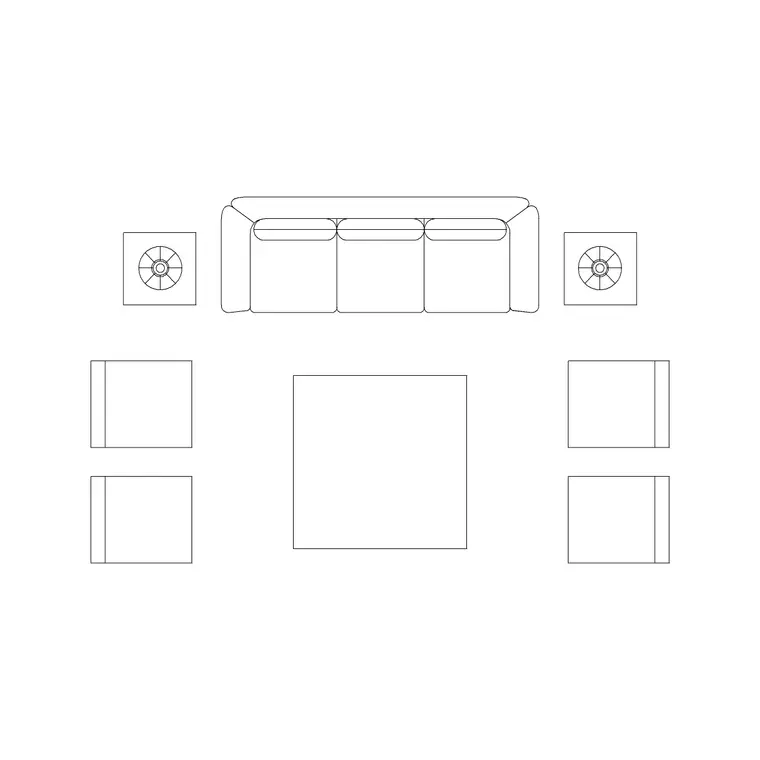
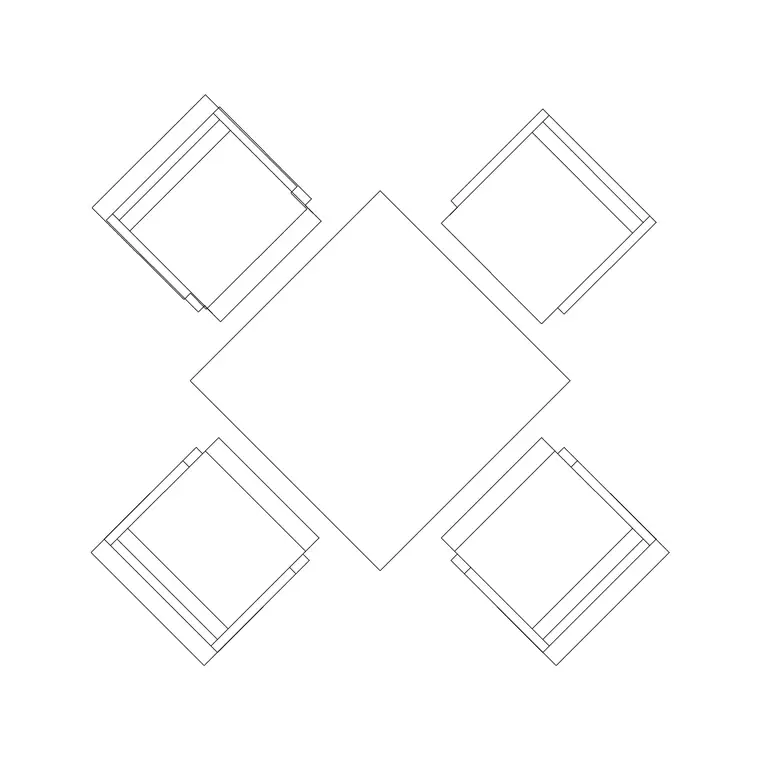
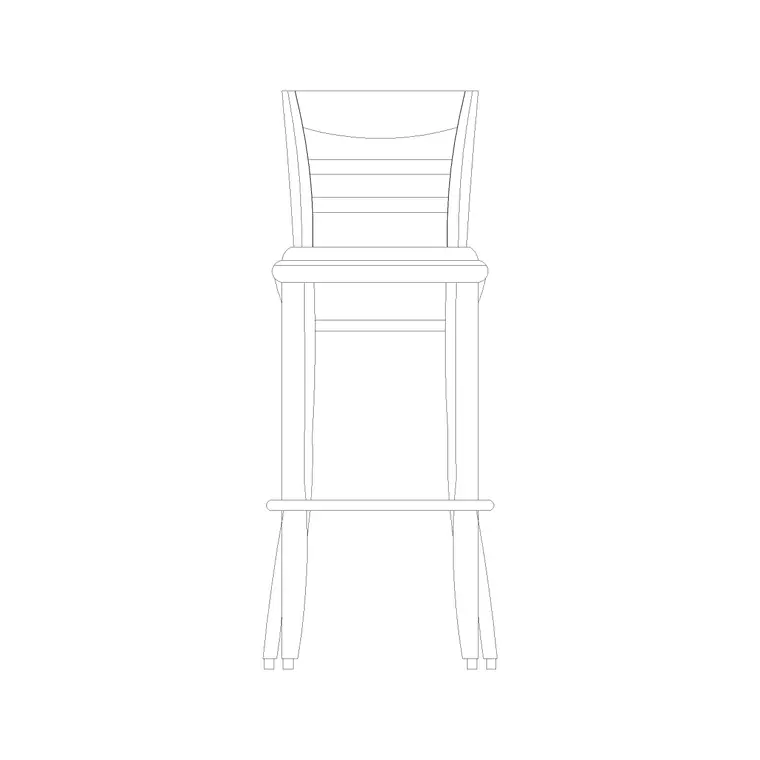
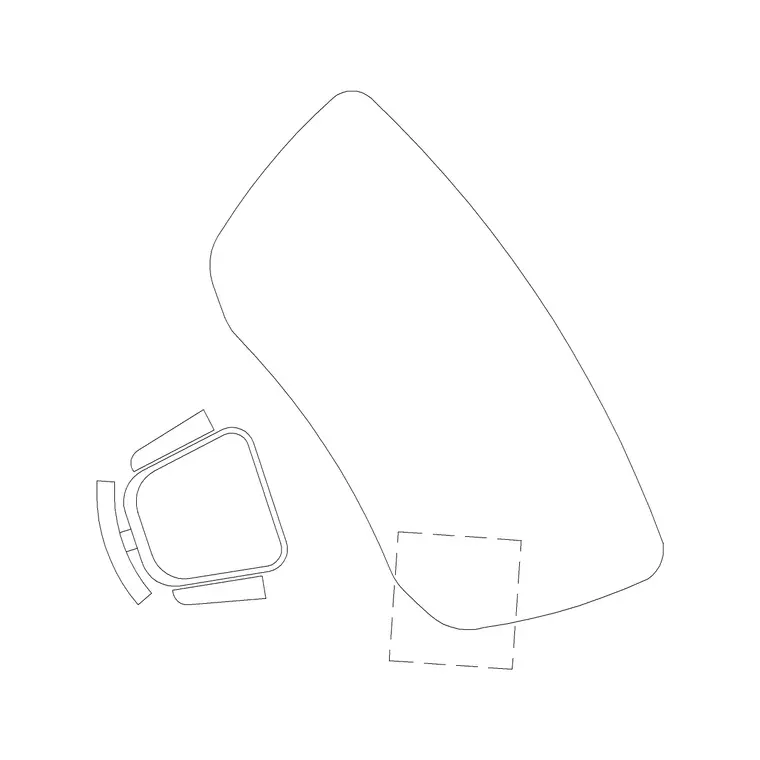
- A sofa set and accent chairs build the reading nooks that define the browsing experience. - Round/dia tables work as feature display tables for new releases and as café and reading-nook tables. - Bar stools suit a window reading ledge or the café counter; a baby/child stool fits the children's corner. - A reception-table block is the sales and information counter. - Wall lamps and a warm ceiling lamp at the nooks, plus brighter even light over the shelving, give the cosy-yet-readable lighting a bookshop needs. - Framed art, an antique-style clock and a plant or two dress the walls and corners with the warm, settled character of a good bookshop. - Indoor plants and potted plants soften the bay ends and the café.
Keep shelving, seating, feature tables, café and lighting on separate layers so the fit-out reads clearly for each trade.
Dimensions and clearances
Plan around these ranges. Shelving bays (bookcases): typically 250–400 mm deep, 1800–2100 mm tall, with aisles between them of 900–1200 mm so a browsing customer and a passer-by coexist (1200 mm-plus on the main routes and for accessibility). A feature table wants about 900 mm of clear floor all around so customers can circle it.
Reading nooks need a comfortable pocket — an armchair plus a side table with 700–900 mm of clear space to settle in. Café tables: allow 600–750 mm of seating depth per chair and a clear path between tables. Sales counter: 600–750 mm deep with 900 mm behind. Keep a 1500 mm turning circle at the entrance and counter. Because the seating and tables are full size, you can judge whether a nook actually invites a sit-down.
Building the bookstore plan
Draw the shell and the entrance, then lay one shelving bay, set its aisle width, and array the bays across the floor to form the browsable grid — keeping clear sightlines down each aisle. Place feature tables at the entrance and at aisle ends by inserting the round table blocks at scale 1 in a millimetre drawing.
Tuck reading nooks into quiet corners and bay ends with a sofa or armchair, a side table, a plant and a warm lamp. Lay out the children's corner low and soft, and the café in its defined zone with tables, chairs or stools and counter. Place the sales counter by the exit. Add the lighting layer — warm pools at the nooks, even light over the shelving — and dress with framed art, a clock and plants. Walk the plan as a browser and confirm there are places to pause every few steps.
Common bookstore mistakes
The biggest mistake is treating a bookshop like a warehouse — wall-to-wall shelving with no nooks, no feature tables and nowhere to sit — which kills the dwell time the whole business depends on. Another is shelving so dense or aisles so narrow that browsing feels like squeezing through stacks. Lighting that is bright and flat everywhere removes the cosy pockets that make people linger; the plan needs warm, layered light at the nooks.
In the drawing, the recurring errors are not arraying the shelving (so the bays drift out of alignment) and mixing the soft furniture into the shelving layer so you cannot pull a clean furniture or lighting plan. Keep the seating, tables and nooks as block references so adjusting the balance of shelving versus browsing space is a quick edit, not a redraw.
Free download
Browse the full library — DWG & DXF, no signup.
Questions
Frequently asked
What makes a bookstore layout different from other shops?+
A bookshop is designed to slow people down and encourage browsing, so it uses wandering routes, long sightlines down shelving bays, feature tables for discovery, and comfortable reading nooks — the opposite of a supermarket's efficient loop. Dwell time, not throughput, drives the plan.
How wide should bookstore aisles be?+
Keep aisles between bookcases 900–1200 mm so a browsing customer and a passer-by coexist, with 1200 mm-plus on the main routes and for accessibility. Bookcases are usually 250–400 mm deep and 1800–2100 mm tall.
Which CAD blocks create a good reading nook?+
A sofa or armchair with a side table, a warm wall or floor lamp, and a plant, tucked into a quiet corner with 700–900 mm of clear space to settle in. Feature tables, café seating and a sales counter complete the bookshop furniture set, with shelving drawn as arrayed rectangles.
Are these bookstore CAD blocks free for commercial use?+
Yes. Every block downloads free in DWG and DXF with no signup, watermark or attribution and is cleared for commercial bookshop and café fit-out projects.
Related downloads
Blocks for this guide
Related categories
Related guides
Room guide
Free Living Room CAD Blocks — DWG Download
Free living room CAD blocks in DWG & DXF — sofa sets, coffee tables, lamps, plants and art drawn to scale for AutoCAD plans. No signup, commercial-use OK.
Room guide
Free Reading Nook CAD Blocks — DWG Download
Free reading nook CAD blocks in DWG & DXF — armchairs, side tables, reading lamps, plants and art for cosy reading corner plans in AutoCAD. No signup.
Room guide
Free Open-Plan Living Area CAD Blocks — DWG
Free open-plan living area CAD blocks in DWG & DXF — sofa sets, tables, plants and zoning lighting to define a great room in AutoCAD. No signup, free.