How-to guide · how to redefine a block in autocad
How to redefine or replace a block in AutoCAD
By Saumyajit Maity · Published 2 Jun 2022 · Updated 5 Jun 2026
Redefining a block means giving an existing block name a new geometry, so that every instance already placed in your drawing updates to the new design in one move. Replacing a block means swapping every instance of one block for a different block entirely. They sound similar but they solve different problems, and AutoCAD handles each with its own workflow.
You redefine a block when you have improved a symbol — say you fixed a door block in your library and want every door in this drawing to adopt the fix. You replace a block when you want to substitute one symbol for another — change every 800 mm door to a 900 mm door, or swap a placeholder chair for the real specified model. This guide covers both, including the slightly hidden trick of redefining a block straight from an external DWG file.
The payoff is global, instant change: edit or swap once, and tens or hundreds of placements follow without re-inserting anything by hand.
Redefining a block from inside the drawing
If the better geometry already lives in the current drawing, redefining is simple: edit the block definition with BEDIT and save it. Because all instances point to that single definition, saving in the Block Editor redefines the block and every copy redraws to the new geometry instantly. This is the everyday way to push a change through a drawing.
Alternatively, draw the new version as loose geometry, run BLOCK, and give it the exact same name as the existing block. AutoCAD warns that the block is already defined and asks whether to redefine it — say yes, and the old definition is replaced by your new geometry across every placement. The key is reusing the identical name; that is what tells AutoCAD to overwrite rather than create a new block.
Redefining a block from an external DWG
Here is the workflow most people miss. When you have updated a block in your library — a standalone DWG file — and want the drawing to adopt that newer version, use INSERT to pull it in by name. At the command line, type -INSERT (the dash version) and enter the block name followed by an equals sign and the path to the file: for example, 'DOOR-SINGLE-800=C:\\library\\DOOR-SINGLE-800.dwg'.
When the names match, AutoCAD asks whether to redefine the existing block. Confirm, then press Escape to cancel the placement (you only wanted the redefinition, not a new copy). Every instance of that block in the drawing updates to the library's current geometry. This is exactly how you propagate a fixed library block into older drawings that still hold the stale version.
Replacing one block with a different block
Replacing is different from redefining: you keep the placed positions but substitute a wholly different symbol. The cleanest manual route is to redefine the block name to point at the new geometry, but when you want true one-for-one substitution, the BLOCKREPLACE Express Tool (or a quick script) swaps every instance of block A for block B across the drawing, preserving insertion points.
If you don't have the Express Tools, a reliable manual method is QSELECT to grab all instances of the old block at once, note their positions, then redefine the old name with the new geometry so the swap is global. For a handful of blocks you can simply select each, delete it, and insert the replacement — but for many instances, redefining or BLOCKREPLACE saves the day.
Redefine vs replace: choosing the right one
Use redefine when the block is conceptually the same thing but the drawing of it should change — a tidied door, a corrected north arrow, an improved chair. Every instance stays where it is and adopts the new look, which is ideal when the symbol's identity is unchanged.
Use replace when the block should become a genuinely different item — a different product, a different size class, a different symbol. Replacing keeps the layout positions but changes what sits at each one. A useful tell: if you would keep the same name, you are redefining; if the new thing deserves its own name in the library, you are replacing. Mixing the two up is a common cause of confusion, so decide which you mean before you start.
Watch the base point and units
Both redefining and replacing hinge on the base point. The new geometry's base point should sit in the same place relative to the symbol as the old one, or every instance will jump on redefinition. If a redefined door suddenly shifts off its opening across the whole drawing, a moved base point is almost always the reason — re-open the source and align the base point to match the original.
Units matter too. If the incoming block was authored in different drawing units, set INSUNITS correctly so AutoCAD rescales it on redefinition rather than dropping it in at the wrong size. Check one updated instance carefully before trusting the global change; getting the base point and units right on a single placement confirms the whole drawing will be correct.
Pitfalls and a safe redefine routine
The biggest risk with a global redefine is doing it blind on a large drawing and only noticing a base-point shift or a layer mistake after dozens of instances moved. Build a safe routine: save the drawing first (or work on a copy), redefine, then immediately zoom to a couple of instances in different orientations to confirm position, scale and layer all read correctly. If anything is off, undo and fix the source before redefining again.
Another trap is name clashes when pasting between drawings — if you copy a block into a drawing that already has a block of the same name, AutoCAD keeps the existing definition and ignores the incoming one, so the paste appears to use the 'wrong' geometry. To force the new version in, redefine deliberately via -INSERT with the equals-sign syntax, or rename one of the blocks first. Finish with PURGE to clear any definitions the redefine left orphaned.
Free download
Browse the full library — DWG & DXF, no signup.
Questions
Frequently asked
How do I update every instance of a block at once?+
Redefine the block: either edit it with BEDIT and save, or create new geometry and run BLOCK using the same name and confirm 'redefine'. Because all instances share one definition, they all update to the new geometry the moment you redefine it.
How do I refresh a block from an updated DWG in my library?+
Use the command-line -INSERT and type the block name, an equals sign, and the file path, e.g. 'CHAIR=C:\\library\\CHAIR.dwg'. Confirm the redefine prompt, then press Escape to cancel placement. Every instance updates to the library version without inserting a new copy.
What is the difference between redefining and replacing a block?+
Redefining gives an existing block name new geometry, so each instance changes appearance but keeps its identity and position. Replacing swaps every instance of one block for a different block. Redefine when it is the same thing improved; replace when it becomes a different item.
Why did my whole drawing shift after I redefined a block?+
The new geometry almost certainly has a different base point from the original, so every instance repositioned itself to that handle. Re-open the source, set the base point to match the old one exactly, and redefine again. Always check one instance before trusting a global redefine.
Related downloads
Blocks for this guide
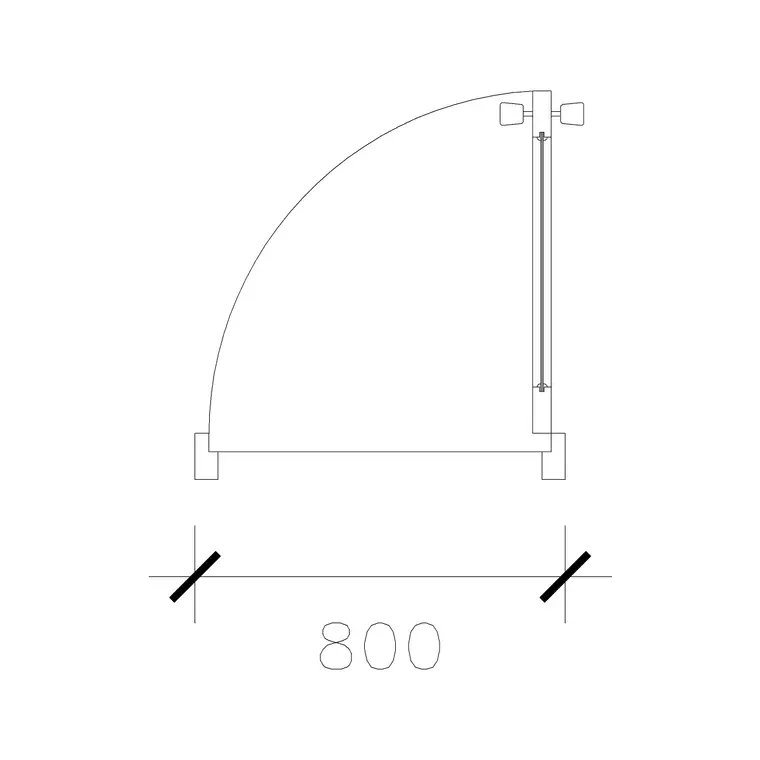
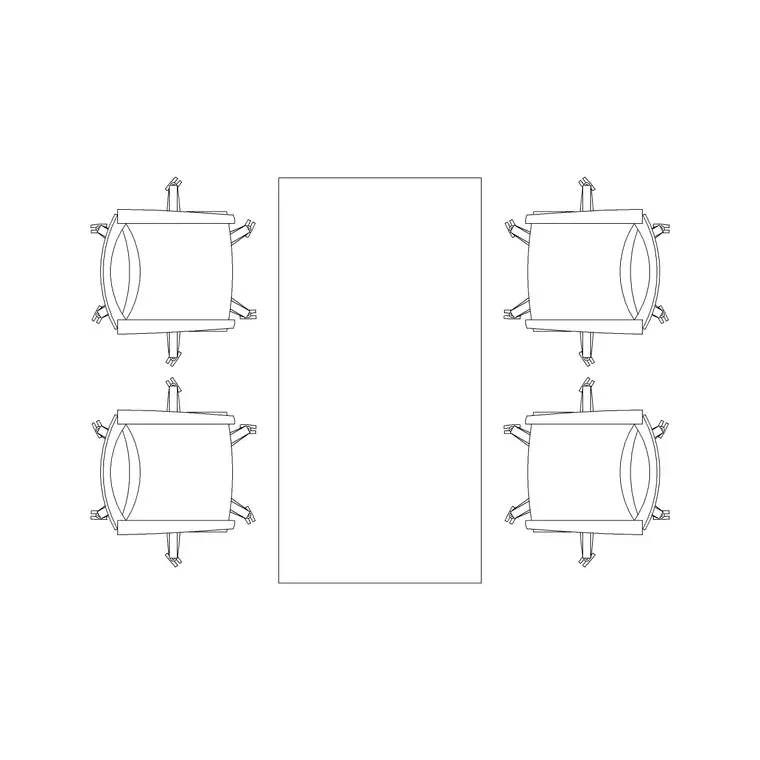
Popular blocks to download
Related categories
Related guides
How-to guide
How to Edit a Block in AutoCAD (BEDIT)
Edit a block in AutoCAD with BEDIT — open the Block Editor, change the geometry, save, and update every inserted instance at once. Tips and pitfalls.
How-to guide
How to Explode a Block in AutoCAD (EXPLODE)
How to explode a block in AutoCAD with EXPLODE — break a block into editable lines, handle nested blocks, and use BURST to keep attributes.
How-to guide
How to Rename a Block in AutoCAD (RENAME)
How to rename a block in AutoCAD with RENAME — change a block's name without breaking its references, fix imported names, and apply a convention.