How-to guide · how to edit a block in autocad
How to edit a block in AutoCAD with the Block Editor
By Saumyajit Maity · Published 8 Feb 2024 · Updated 29 Apr 2026
Editing a block in AutoCAD is the moment block-based drawing pays off: change the definition once and every instance in the drawing redraws to match. The command you reach for is BEDIT, which opens the Block Editor — a separate workspace where the block's geometry sits on its own and any edit you make is written back to the block definition.
This guide walks through opening the Block Editor, making changes safely, saving the definition, and getting back to model space. It also covers the in-place alternative (double-click editing), the difference between editing a block and editing an external reference, and the small habits that stop a block edit from quietly breaking a whole drawing.
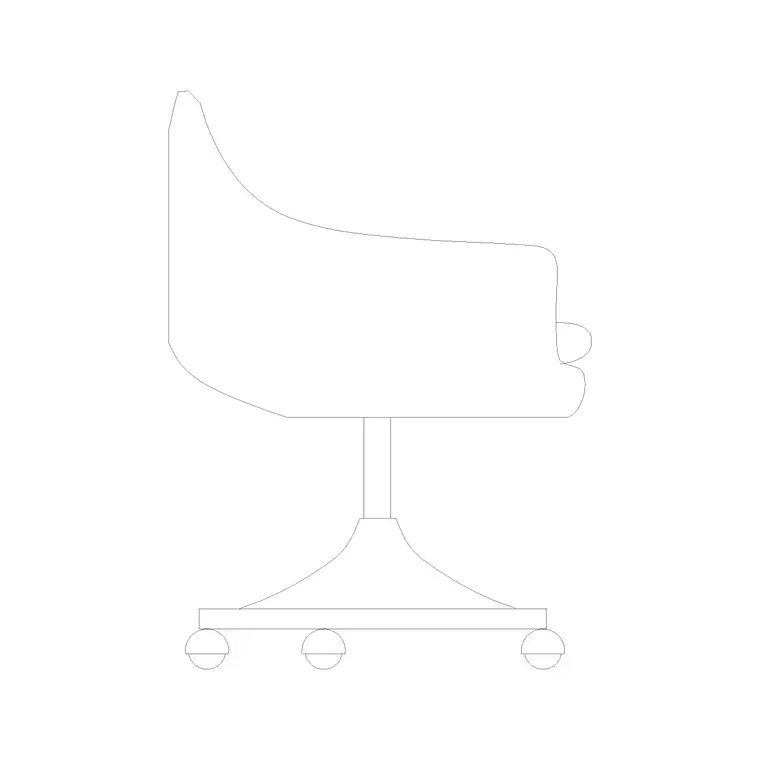
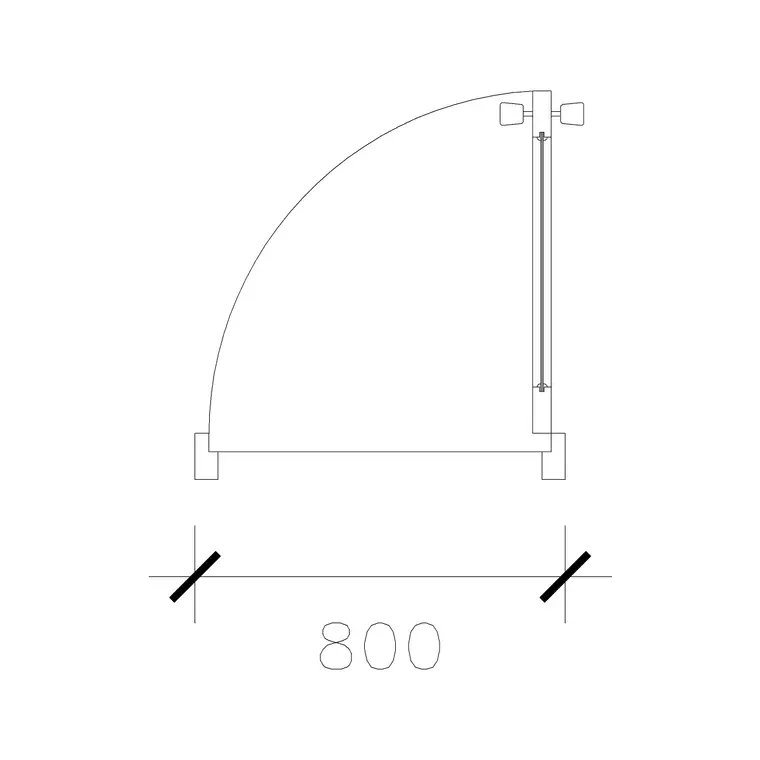
We will assume you have a downloaded block already inserted — a chair, a door, a symbol — and you need to tweak its geometry. The same workflow edits any block, whether you drew it or downloaded it.
Step 1 — Open the block in the Block Editor
Type BEDIT (or BE) and press Enter to open the Edit Block Definition dialog. It lists every block defined in the current drawing; pick the one you want and click OK. The drawing switches into the Block Editor — usually shown with a pale grey background and a dedicated ribbon tab — and the block's geometry appears isolated from the rest of the model.
A faster route, if the block is already on screen, is to double-click it. For a simple static block that opens the Block Editor straight on that definition; for a dynamic block it does the same. Either way you are now editing the definition, not a single copy, so any change will affect every instance once you save.
Step 2 — Make your geometry changes
Inside the editor, edit the block exactly as you would any drawing: move lines, change a radius, add a leg to a chair, redraw a door swing. The geometry you see is the master copy. If the block was built on layer 0 so it inherits the layer it is inserted onto, keep new geometry on layer 0 too, or you will break that inherit-the-host-layer behaviour.
If the block carries attributes or dynamic parameters, they appear here as well, and you can adjust them from the Block Editor ribbon. Resist the urge to rescale the whole block by a stray factor — edit at the block's true millimetre size so it still inserts correctly everywhere it is used.
Step 3 — Save the block definition
When the geometry is right, click 'Save Block' on the Block Editor ribbon (or type BSAVE). This writes your changes back into the block definition stored in the drawing. To save under a new name and keep the original untouched, use 'Save Block As' (BSAVEAS) instead — a smart move when you want a variant rather than a global change.
Saving is the step that propagates the edit. The instant you save, every reference to that block in the drawing updates to the new geometry. There is no per-instance refresh to chase; the block table holds one definition and all references point to it.
Step 4 — Close the editor and check every instance
Click 'Close Block Editor' to return to model space. Now zoom out and scan the drawing: because the edit was global, look at the block in its different placements — rotated, mirrored, scaled — to confirm the change reads correctly in every orientation. A tweak that looks perfect in the editor can surprise you on a mirrored instance.
If you spot a problem, re-open BEDIT and fix it; the edit cycle is cheap. When you are happy, save the drawing. If this block lives in your reusable library as a standalone DWG, remember the edit only changed it inside this drawing — see the redefine guide for pushing the change back to the library file.
BEDIT vs in-place editing vs REFEDIT
Three editing routes exist and they are not the same. BEDIT opens the full Block Editor and is the right tool for almost all block edits, including anything dynamic. Double-clicking a block is just a shortcut into the same editor.
REFEDIT is different — it is for editing an external reference (xref) or a block in place within the surrounding drawing, so you can see the context while you work. It is handy when a block needs to align with nearby geometry, but it is fussier and easy to leave half-finished, so prefer BEDIT for self-contained symbol edits. Never confuse editing a block with editing a single instance: there is no clean way to change one copy's geometry without affecting the rest, which is exactly the point of blocks. If you need one copy to differ, explode it or save a renamed variant.
Common pitfalls when editing blocks
A few traps catch people out. First, editing geometry off layer 0 in a block that was designed to inherit its host layer — the new lines then keep their own colour everywhere and stand out. Second, accidentally moving the block's base point relative to the geometry, which makes every existing instance jump on the next save; keep the base point fixed unless you genuinely want everything to shift. Third, forgetting that BEDIT changes are global, then wondering why a 'one-off' tweak rippled across the sheet.
The subtlest pitfall is editing a block that shares a name with a different block in another drawing you later paste from — AutoCAD keeps the existing definition and silently ignores the incoming one. If a pasted block looks wrong, that name clash is usually why; rename one of them before combining. After any significant block edit, run a quick visual sweep and, if the drawing feels heavier than it should, PURGE to clear any orphaned geometry the edit left behind.
Free download
Browse the full library — DWG & DXF, no signup.
Questions
Frequently asked
Does editing a block change every copy in the drawing?+
Yes. BEDIT edits the block definition, and every inserted instance points back to that single definition. The moment you save in the Block Editor, all copies redraw to match — that global update is the main reason to use blocks.
How do I edit just one instance of a block without changing the others?+
You can't edit one instance's geometry while keeping it a block — all references share one definition. To make a one-off, explode that instance into raw geometry and edit it, or use Save Block As (BSAVEAS) to create a renamed variant and swap it in.
What is the difference between BEDIT and REFEDIT?+
BEDIT opens the Block Editor on a block definition and is the standard tool for editing blocks. REFEDIT edits a block or external reference in place within the surrounding drawing so you can see context. Use BEDIT for self-contained symbol edits and REFEDIT mainly for xrefs.
Why did my block edit not save?+
In the Block Editor you must click Save Block (BSAVE) before closing, or choose to save when prompted. Closing without saving discards the changes. Also check you edited the definition in BEDIT rather than exploding a single instance, which does not touch the definition.
Related downloads
Blocks for this guide
Popular blocks to download
Related categories
Related guides
How-to guide
How to Explode a Block in AutoCAD (EXPLODE)
How to explode a block in AutoCAD with EXPLODE — break a block into editable lines, handle nested blocks, and use BURST to keep attributes.
How-to guide
How to Rename a Block in AutoCAD (RENAME)
How to rename a block in AutoCAD with RENAME — change a block's name without breaking its references, fix imported names, and apply a convention.
How-to guide
How to Redefine or Replace a Block in AutoCAD
How to redefine or replace a block in AutoCAD — update a block from an external DWG with INSERT, swap one block for another, push library edits in.