How-to guide · how to make a tool palette in autocad
How to make a block library tool palette in AutoCAD
By Saumyajit Maity · Published 12 Oct 2023 · Updated 28 Mar 2026
Tool palettes are the fastest way to insert blocks in AutoCAD: instead of running INSERT and browsing to a file every time, you click or drag a block tile straight onto the drawing, already scaled and on the right layer. For anyone with a growing block library, palettes are the difference between a folder you have to dig through and a kit you reach into instinctively. This guide shows how to build them.
We'll create a palette, add blocks two ways (dragging individual blocks and pointing a palette at a whole folder), set the insertion properties so blocks land predictably, organise palettes into groups that mirror your library, and export the palettes so a whole team can share one standard set. By the end, inserting a block is one second of one click.
Open Tool Palettes and create a new palette
Open the Tool Palettes window with Ctrl+3 (or type TOOLPALETTES). It docks at the side with a stack of tabs, each tab being one palette. To make your own, right-click on a tab or the title bar and choose 'New Palette', then name it for a category — Furniture, Office, Doors, Symbols — so it maps to how your library is organised.
Start with one palette per top-level category rather than a single giant palette. A focused palette you can scan beats an endless one you have to scroll, and category palettes mirror the folder taxonomy of a well-organised library, so the on-screen tools match the on-disk structure. You'll thank yourself when the library grows to hundreds of blocks.
Add blocks by dragging them onto the palette
The most direct way to populate a palette is to drag blocks onto it. From inside a drawing, select an existing block reference and drag it onto the palette — it becomes a tool tile. You can also drag a DWG file straight from File Explorer onto a palette; AutoCAD adds it as a block-insertion tool that inserts the whole drawing as a block.
A third route uses DesignCenter (ADCENTER): browse to a drawing's block definitions, then drag a block from DesignCenter onto the palette. This is handy for harvesting blocks out of an existing project drawing into your reusable palette. However you add them, each tile remembers where its source block lives, so clicking it inserts that block on demand.
Build a palette automatically from a folder
Dragging blocks one at a time is fine for a handful, but for a folder of fifty it's tedious. DesignCenter has a shortcut: navigate to a folder of DWG files in the DesignCenter tree, right-click the folder, and choose 'Create Tool Palette'. AutoCAD generates a palette with a tool for every DWG in that folder in one step.
This is the fastest way to turn an organised library folder into a working palette, and it means your folder taxonomy and your palettes stay in lockstep — re-run it after adding new downloads and the palette refreshes. If your library is sorted into category folders (Furniture, Office, Doors), 'Create Tool Palette' on each folder gives you a complete, category-matched palette set in minutes rather than an afternoon of dragging.
Set insertion properties so blocks land right
A tool tile isn't just a shortcut — it stores insertion properties, which is what makes palettes powerful. Right-click a tool and choose 'Properties' to set the scale, rotation, and, importantly, the layer the block inserts onto. Set a furniture tool to drop onto a Furniture layer and every insertion lands on the correct layer automatically, no manual layer-switching.
You can also fix an explode setting, an insertion scale, and an auxiliary scale that ties the block size to a dimscale or plot scale. Configuring these once per tool means the block doesn't just appear — it appears correctly scaled, correctly rotated and on the correct layer. That's the real time-saving: the palette enforces your drawing standards on every insertion instead of relying on you to remember them.
Organise palettes into groups
Once you have several palettes, organise them with palette groups. Right-click the palette title bar and choose 'Customize Palettes' to open the Customize dialog, where you can create groups and drag palettes into them — a 'Architecture' group holding Furniture, Doors, Windows and Symbols, say. Right-clicking the title bar then lets you switch the visible group, so you only see the palettes relevant to the task.
Groups keep the interface tidy as the palette count grows, and let you tailor sets for different disciplines or project types. The Customize dialog is also where you reorder palettes and tools, rename them, and prune ones you don't use. A little time here turns a cluttered stack of tabs into a curated, fast-to-navigate toolset.
Free download
Browse the full library — DWG & DXF, no signup.
Questions
Frequently asked
How do I open tool palettes in AutoCAD?+
Press Ctrl+3 or type TOOLPALETTES. The window docks at the side with one tab per palette. Right-click a tab or the title bar and choose 'New Palette' to create your own, naming it for a category like Furniture or Doors.
What's the fastest way to fill a palette from a library folder?+
Use DesignCenter (ADCENTER): browse to the folder of DWG files, right-click it, and choose 'Create Tool Palette'. AutoCAD builds a palette with a tool for every DWG in one step, keeping your palettes in sync with your folder structure.
Can a tool palette insert a block onto a specific layer?+
Yes. Right-click the tool, choose Properties, and set the layer (plus scale and rotation). Every insertion from that tool then lands on the correct layer automatically, so the palette enforces your layer standard without manual switching.
How do I share tool palettes with my team?+
In the Customize Palettes dialog, export a palette or group to an XTP file; colleagues import it to get the same palettes and insertion settings. For a robust setup, point everyone at a shared network or cloud location for both the palettes and the source blocks.
Related downloads
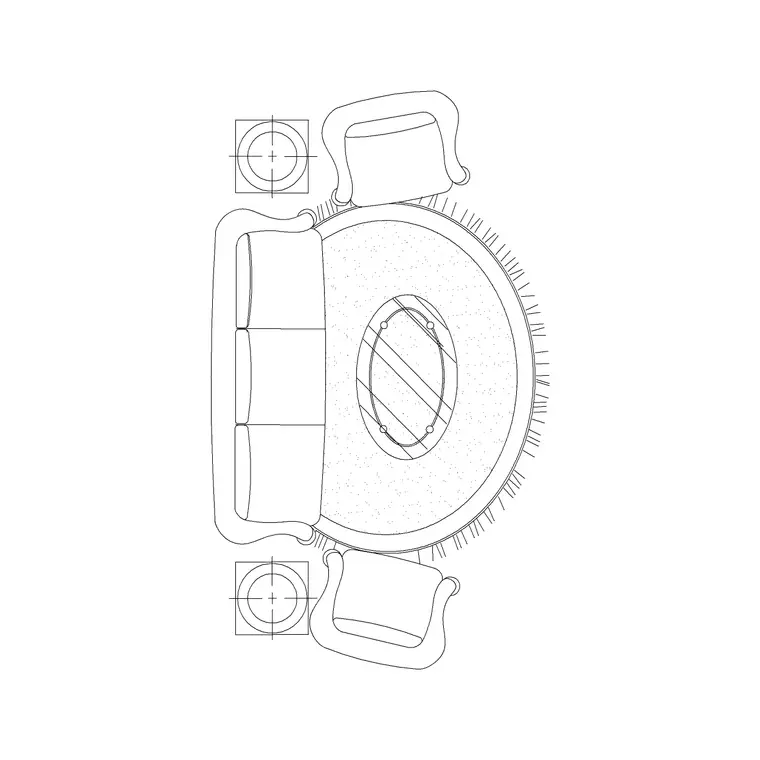
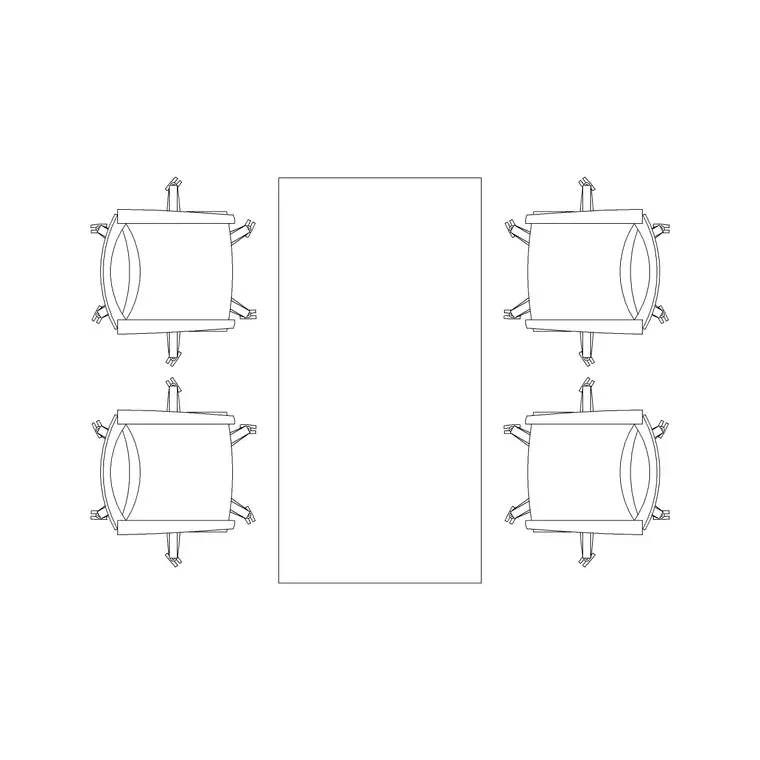
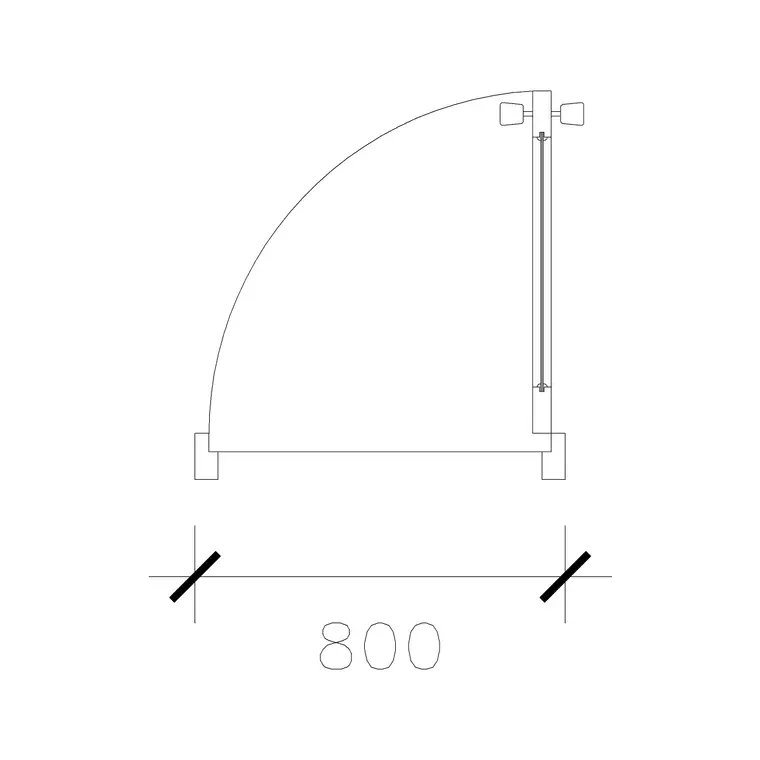
Blocks for this guide
Related categories
Related guides
How-to guide
How to Edit a Block in AutoCAD (BEDIT)
Edit a block in AutoCAD with BEDIT — open the Block Editor, change the geometry, save, and update every inserted instance at once. Tips and pitfalls.
How-to guide
How to Explode a Block in AutoCAD (EXPLODE)
How to explode a block in AutoCAD with EXPLODE — break a block into editable lines, handle nested blocks, and use BURST to keep attributes.
How-to guide
How to Rename a Block in AutoCAD (RENAME)
How to rename a block in AutoCAD with RENAME — change a block's name without breaking its references, fix imported names, and apply a convention.