Block landing · elliptical trainer cad block
Free elliptical trainer CAD block in DWG and DXF
By Sumana Kumar · Published 20 Jul 2025 · Updated 15 Feb 2026
The elliptical trainer — or cross trainer — is the long, footprint-hungry machine on a cardio floor, and that length is exactly why a scaled block matters. The moving foot pedals and the swing arms mean the machine occupies more depth than a treadmill, and the user's stride extends that envelope further. This page offers a free elliptical trainer CAD block in DWG and DXF, drawn to true millimetre dimensions in plan and elevation, ready for AutoCAD 2004 or later. It is free for personal and commercial work, with no signup, no watermark and no credit required.
If there is one machine that catches a layout out, it is the elliptical, because designers space it like a treadmill and then find the rear pedal sweep clashes with the machine behind. Drawing it to its true reach, with the swept envelope shown, keeps a cardio bank realistic from the first arrangement.
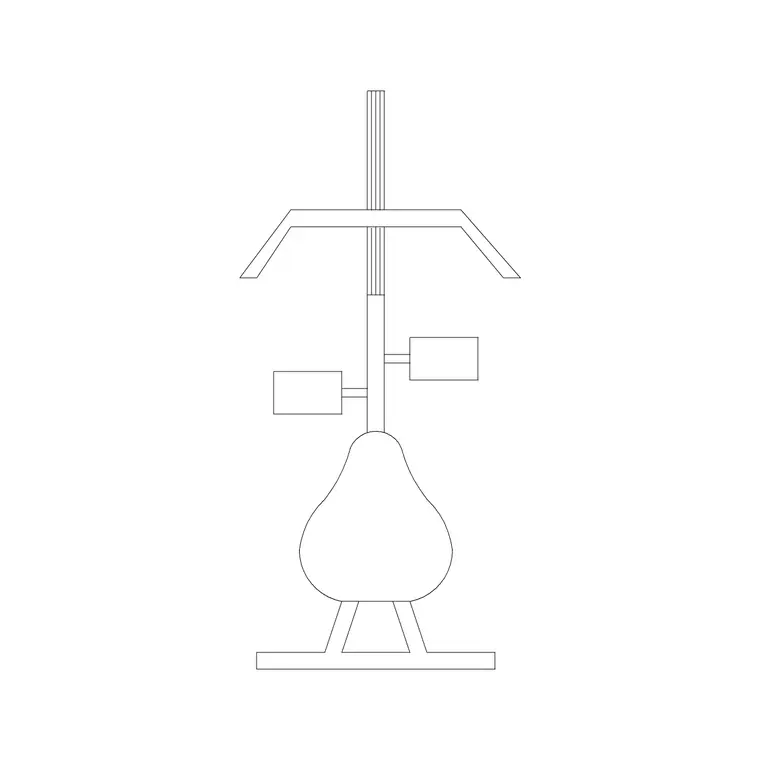
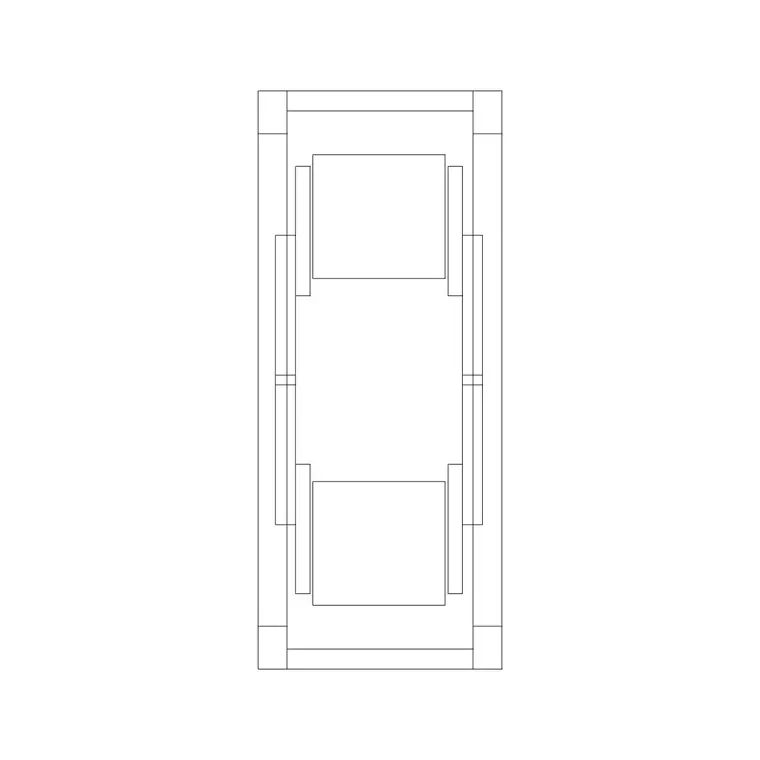
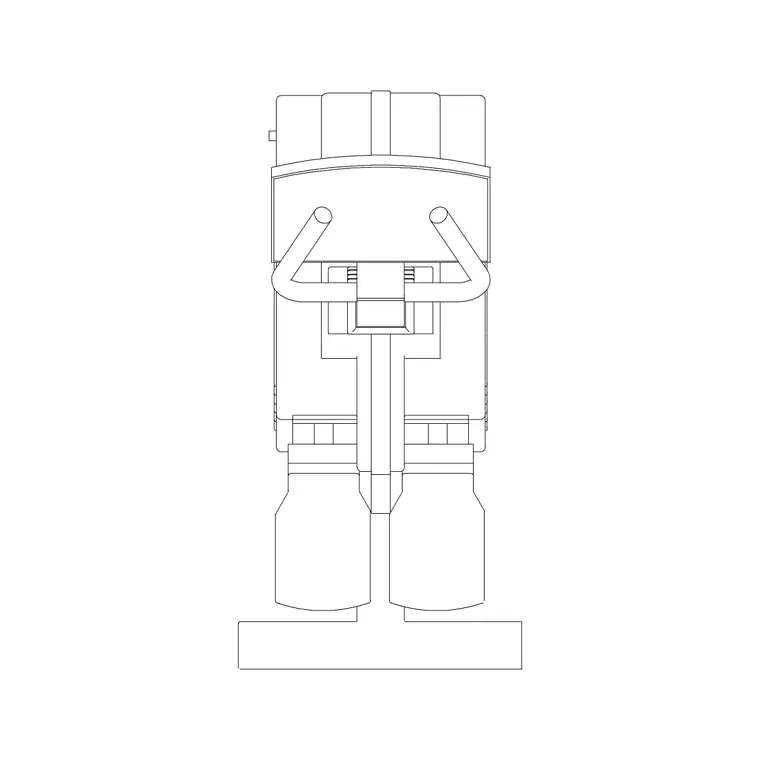
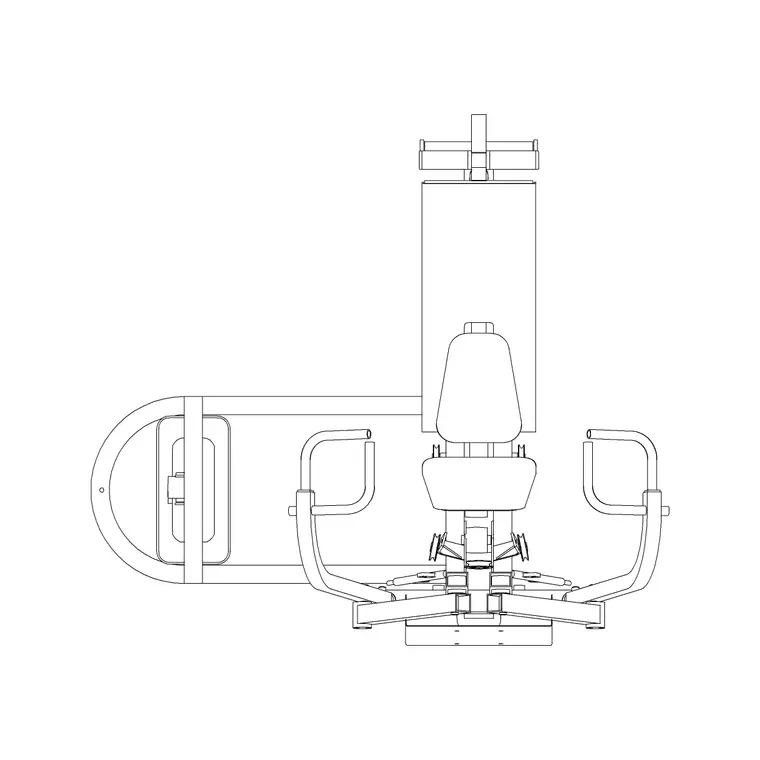
What's in the elliptical trainer block
The plan view shows the long base frame, the front flywheel housing and the foot pedals, with the swing-arm handles reaching upward. Where the block includes it, a light swept envelope marks the space the pedals and the user's stride occupy, because that reach — not the static frame — is what governs how close the next machine can sit.
The elevation is genuinely useful for ellipticals because they are tall: the swing arms and a user's hands reach well above head height on the upstroke. An elevation lets you check that head clearance under a soffit, duct or mezzanine is real and not just measured to the top of the static frame.
Typical elliptical trainer dimensions
Design around these ranges. Footprint: roughly 1800–2200 mm long by 650–800 mm wide. Overall height to the top of the swing arms or console: around 1600–1750 mm, with a user's hands reaching higher on the stride. Rear clearance: allow space behind for the pedal sweep and for a user to step off safely.
Because the machine is long and the stride extends it, ellipticals usually want a touch more space front-to-back than treadmills in the same row. As always these are ranges across manufacturers — confirm against the actual model when chosen — but they let you lay out a realistic cardio bank in advance.
Plan for layout, elevation for clearances
Cardio floors are laid out in plan: ellipticals arrayed in a row, usually grouped with treadmills and bikes, facing a window or mirror wall. The plan block is what you array, and the swept envelope is what stops you spacing them too tightly front-to-back.
The elevation earns its place wherever height is tight — under a mezzanine, beneath low services, or in a basement gym. A cross trainer is one of the few machines where a user reaches high enough that you genuinely need to check the ceiling, so the elevation block is worth keeping in the drawing even for a single-level gym.
How to insert and arrange the block
The elliptical is drawn full size in millimetres. Insert at scale 1 in a millimetre drawing, 0.001 in a metre drawing, or set INSUNITS to millimetres so AutoCAD converts automatically. Run INSERT, snap the base point to the front of the frame, and rotate the machine to face the wall the users will look at.
Use ARRAY to build a row, but set the spacing to the swept envelope rather than the static frame so the rear sweep stays clear. Keep the ellipticals on the equipment layer with the rest of the cardio kit, so you can toggle the whole cardio zone for a shell-only drawing.
Where elliptical blocks are used
Elliptical trainer blocks belong in commercial gym layouts, hotel and residential leisure suites, low-impact rehab gyms and corporate fitness rooms. Equipment suppliers place them on layout drawings; architects use them to confirm a cardio brief fits and that ceiling height suits a tall machine.
Because the elliptical is the machine most likely to clash with low services or a tight ceiling, the tagged block is useful on the coordination overlay as well as the GA — show the elevation against the reflected ceiling plan to prove clearance. Pair it with the treadmill, exercise bike and wider gym equipment blocks to complete the cardio floor.
Mixing ellipticals into a cardio bank
Cardio floors rarely hold one machine type, so the real skill is mixing treadmills, bikes and ellipticals into a coherent bank. Because the elliptical is the deepest of the three, a common move is to put the ellipticals at the ends of a row or against a wall where their extra depth is least disruptive, and keep the shallower treadmills and bikes in the busier central positions. Drawing all three to their true envelopes lets you test that mix before committing.
It also helps to think about the entrance to each machine. A user steps up onto an elliptical from behind or the side, so the rear clearance does double duty as both the swept envelope and the mounting space. Keep that band clear of the next machine and of the main walkway, and the bank reads as usable rather than packed. When a cardio bank is finalised, tag every machine and extract a schedule so the supplier can price the exact mix the layout proves will fit.
Free download
Browse the full library — DWG & DXF, no signup.
Questions
Frequently asked
Why does an elliptical need more space than a treadmill?+
The moving pedals and the user's stride extend the machine's reach beyond the static frame, so the swept envelope is longer than the base footprint. The block shows that envelope so you space machines to the real reach, not the frame.
Does the elliptical block come in elevation as well as plan?+
Yes, typically in the same DWG. The elevation matters because a cross trainer is tall and a user reaches high on the upstroke, so it lets you check ceiling and soffit clearance properly.
What scale is the elliptical trainer drawn at?+
Full size in millimetres. Insert at scale 1 in a millimetre drawing, 0.001 in a metre drawing, or set INSUNITS to millimetres so AutoCAD rescales on insertion.
Is the elliptical block free for commercial projects?+
Yes. It downloads free in DWG and DXF with no signup, no watermark and no attribution, and it is cleared for commercial fit-out and project use.
Related downloads
Blocks for this guide
Related categories
Related guides
Block landing
Free Gym Equipment CAD Blocks — DWG Download
Download free gym equipment CAD blocks in DWG and DXF — treadmills, weight machines, racks and benches in plan and elevation, AutoCAD 2004+, no signup.
Block landing
Free Treadmill CAD Block — DWG & DXF Download
Download a free treadmill CAD block in DWG and DXF — drawn in plan and elevation with the run-off zone, true to size for AutoCAD gym layouts. No signup.
Block landing
Free Exercise Bike CAD Block — DWG Download
Download a free exercise bike CAD block in DWG and DXF — upright, spin and recumbent bikes in plan and elevation, true to size for gym layouts. No signup.