Curated pack · dxf files for laser cutting
Free DXF block pack for laser cutting and CNC
By Saumyajit Maity · Published 17 Jun 2023 · Updated 7 Jan 2026
Laser cutters, plasma tables and CNC routers don't read DWG — they want clean, flat DXF outlines, and that is exactly what this pack delivers. This free DXF block pack gathers 2D symbols exported in DXF for machine work: furniture profiles, tree and plant silhouettes, door outlines and figures, all drawn as tidy closed geometry and ready to drop into your laser or CAM software. Everything is free for personal and commercial work, with no signup and no watermark.
DXF (Drawing Exchange Format) is the lingua franca of digital fabrication because it is open, text-based and read by virtually every machine controller and CAM package. A clean DXF outline imports into LightBurn, Inkscape, Fusion's CAM, plasma table software and router controllers without the conversion headaches that proprietary formats bring. The blocks here are chosen and prepared with cutting in mind: closed profiles, sensible geometry and a format the machine understands the moment you load it.
Whether you are cutting acrylic signage, plywood furniture parts, steel brackets on a plasma table or decorative panels on a router, this pack gives you a starting library of vector outlines you can scale, nest and cut. Treat them as editable source geometry — bring them in, set your kerf and tool path, and go.
Why DXF is the format for cutting
DXF is an open, documented, text-based interchange format created precisely so geometry could move between programs. That openness is why it became the default for digital fabrication: almost every laser, plasma and CNC system reads it, and the ones that prefer SVG or G-code will happily convert from a clean DXF. DWG, by contrast, is AutoCAD's proprietary binary format — richer for drafting, but not what a machine controller expects.
For cutting, the things that matter are simple geometry and broad compatibility, and DXF delivers both. A 2D DXF outline strips the drawing down to the curves the machine actually follows — no layers of unrelated detail, no 3D, no exotic objects to confuse a CAM importer. That is why, when you are taking geometry out of the CAD world and onto a machine, DXF is the right download every time, and why this pack ships in DXF rather than DWG.
What's in the DXF cutting pack
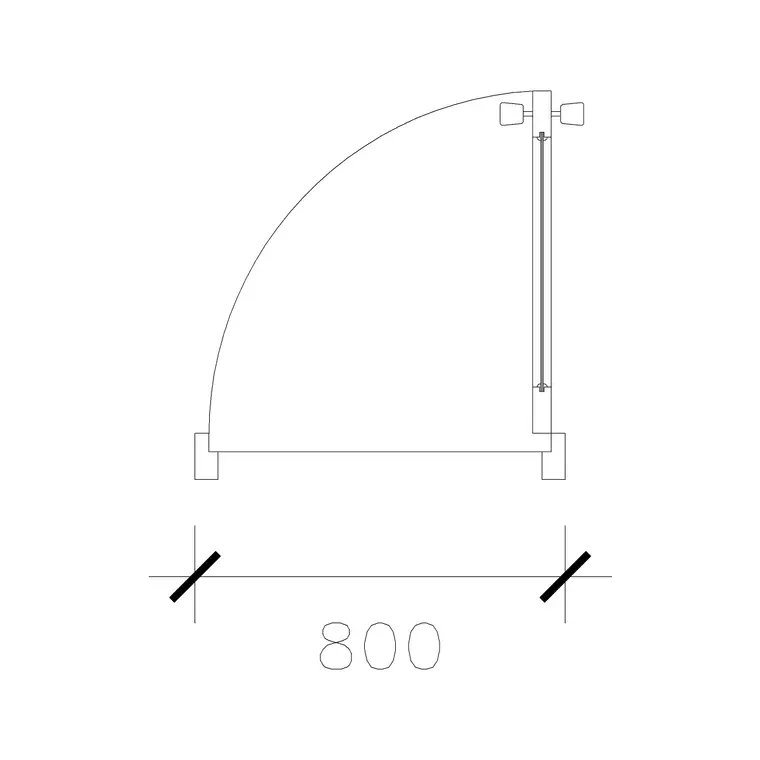
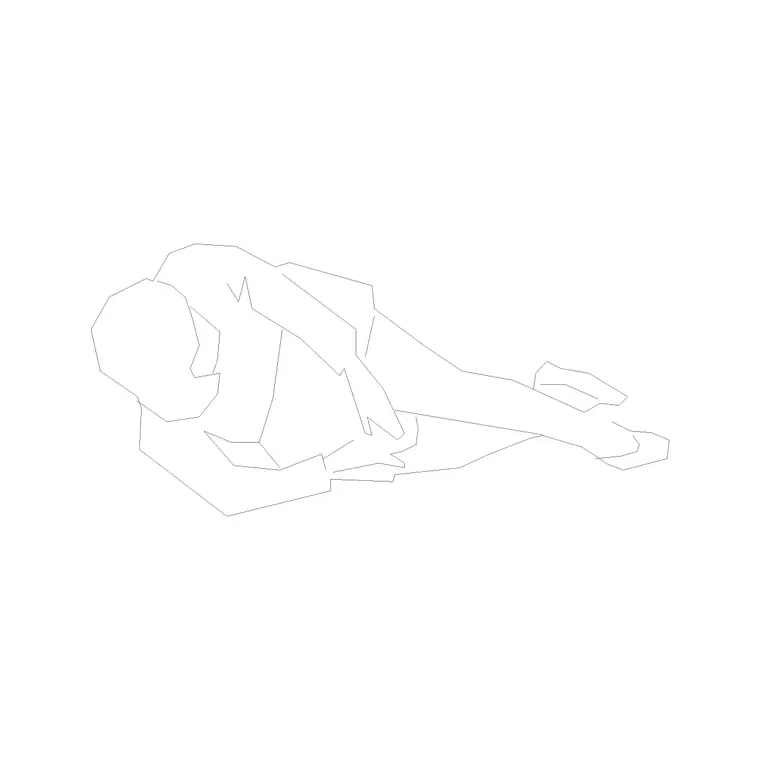
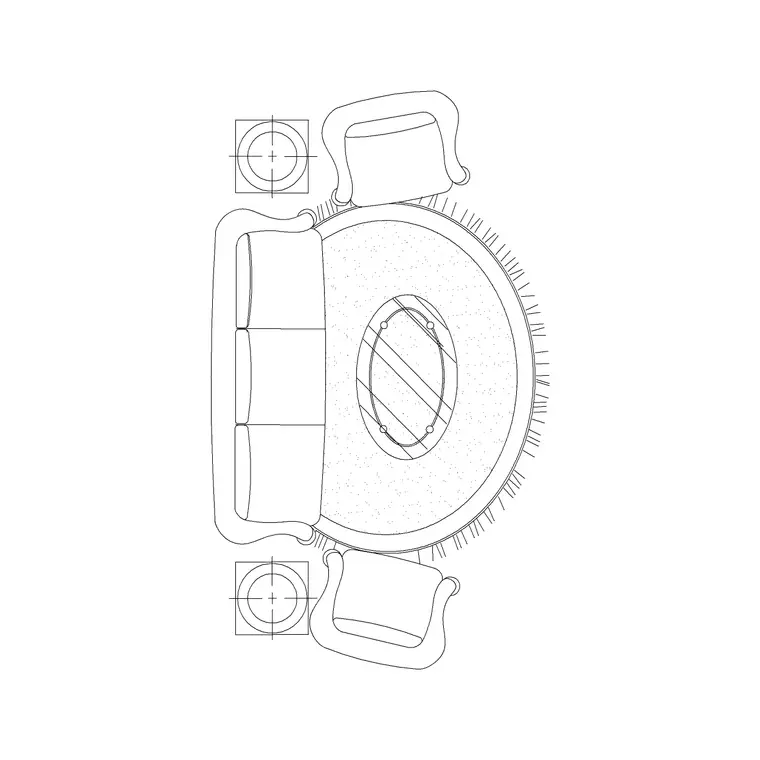
The pack favours profiles that cut well. Furniture and product silhouettes: clean outlines you can scale into flat-pack parts, stencils or templates. Tree and plant silhouettes: simple canopy and foliage shapes for decorative panels, signage and screens. Door and panel outlines: rectangular leaves and framed openings useful as templates or as part of fixtures. Human figure silhouettes: scale figures and signage cut-outs.
Every profile is drawn as flat 2D geometry, which is the only kind of content a cutter uses. Where a shape needs to be a single continuous path for the machine to follow, the outline is closed rather than left as loose segments, so it imports as a cuttable contour rather than a scatter of lines.
How to prepare a DXF for the machine
Bring the DXF into your CAM or laser software (LightBurn, Inkscape, Fusion, your plasma or router controller) and check it before cutting. First, confirm the scale — DXF carries units inconsistently between programs, so measure a known dimension and rescale if the part came in too large or small. Second, check the geometry is closed: a cut path must be a continuous loop, so join any open ends and remove duplicate or overlapping lines, which are the most common cause of double-cuts and stalled jobs.
Then set the machine side: assign cut, score and engrave operations to the right contours, set your kerf or tool-diameter offset so the finished part is the size you intend, and nest multiple parts to use the sheet efficiently. Run the path preview or a dry run before committing material. A few minutes of cleanup turns a drawing outline into a reliable cut.
Per-material and per-machine notes
Different machines and materials ask for slightly different preparation. For a laser cutter, keep cut lines as fine vectors (often a specific colour your software maps to 'cut') and reserve fills or rasters for engraving; acrylic and ply cut cleanly from a single closed contour. For a plasma table cutting steel, allow for a wider kerf and lead-in/lead-out moves, so simple, generously-proportioned outlines work better than fine detail. For a CNC router, remember the tool has a real diameter, so inside corners can't be perfectly sharp — design or offset accordingly, and tab parts so they don't shift mid-cut.
Exporting or saving to an older DXF version (R12 or 2000) often gives the cleanest, most machine-friendly result, because older versions strip out advanced objects a controller may not understand. If a profile imports messily, re-saving it as R12 DXF frequently fixes it.
DXF versus DWG and SVG for makers
Makers meet three formats and it helps to know their roles. DXF is the universal CAD-to-machine handshake: open, widely read, and the safe default for laser, plasma and CNC. DWG is the rich native AutoCAD format — great for drafting, but you'll usually convert it to DXF before cutting. SVG is the web and graphics vector format, common in laser software like LightBurn, and easy to convert to and from DXF when you need to move between design and fabrication tools.
The practical workflow is to design or download in whatever suits you, then export to DXF (or SVG) for the machine. Because this pack already ships in DXF, you skip the conversion step for the parts it covers. If you do need to convert other drawings, free tools like the ODA File Converter, Inkscape, QCAD and LibreCAD all move between these formats.
Who uses a DXF cutting pack
Makers and hobbyists use it to cut signage, decor, models and flat-pack pieces on a home laser or desktop CNC. Furniture and product designers use the profiles as starting templates for parts. Fabricators and sign shops use clean DXF outlines to feed plasma and router jobs without redrawing. Architects and set builders use cut-out figures, trees and panels for models and installations.
Everything is free and licence-clear, so you can cut these commercially — for products you sell, signage you install or work you bill. Pair the pack with the furniture, trees-and-plants and doors categories for more outlines to adapt, and keep your cleaned, machine-ready versions in a separate folder so you don't re-prepare the same part twice.
Free download
Browse the full library — DWG & DXF, no signup.
Questions
Frequently asked
Why use DXF instead of DWG for laser cutting?+
DXF is an open, machine-readable interchange format that laser, plasma and CNC software all understand, while DWG is AutoCAD's proprietary format. For cutting you want the simple, universal DXF outline, so this pack ships in DXF.
Will these DXF files import into LightBurn or Inkscape?+
Yes. The DXF files are clean 2D geometry that imports into LightBurn, Inkscape, Fusion CAM and machine controllers. Check the scale on import, since DXF carries units inconsistently, and rescale a known dimension if needed.
Do I need to clean up the DXF before cutting?+
Usually a little. Confirm the scale, make sure cut profiles are closed continuous loops, and delete duplicate or overlapping lines. Saving to an older DXF version such as R12 also helps a stubborn file import cleanly.
Can I cut these commercially?+
Yes. Every file downloads free with no signup, no watermark and no attribution requirement, and is cleared for commercial use — including products and signage you sell.
Related downloads
Blocks for this guide
Related categories
Related guides
Curated pack
Free Plan View CAD Block Pack — DWG & DXF
Free plan view CAD block pack in DWG and DXF — furniture, trees, people and vehicles drawn from above for AutoCAD floor plans. No signup, commercial OK.
Curated pack
Free Elevation CAD Block Pack — DWG & DXF
Free elevation CAD block pack in DWG and DXF — trees, doors, furniture and figures drawn face-on at real heights for AutoCAD elevations. No signup.
Curated pack
Free 2D CAD Block Pack — DWG & DXF Download
Free 2D CAD block pack in DWG and DXF — furniture, trees, people and doors as clean 2D symbols for AutoCAD plans and elevations. No signup, commercial OK.