Curated pack · free door cad blocks
15 free door CAD blocks for AutoCAD in 2026
By Sumana Kumar · Published 20 Jul 2024 · Updated 18 Feb 2026
The door is the most-placed opening in any floor plan, and the one whose swing quietly governs the furniture, the circulation and half the clashes in a layout — so a set of clean, swing-aware door blocks is among the most useful things in a CAD library. This collection gathers 15 free door CAD blocks in DWG and DXF: single and double swing doors with their arcs, sliding and pocket doors, bifold and concertina doors, double-action (swing-both-ways) doors, and external entrance and garage doors. Everything downloads free for personal and commercial work, with no signup and no watermark.
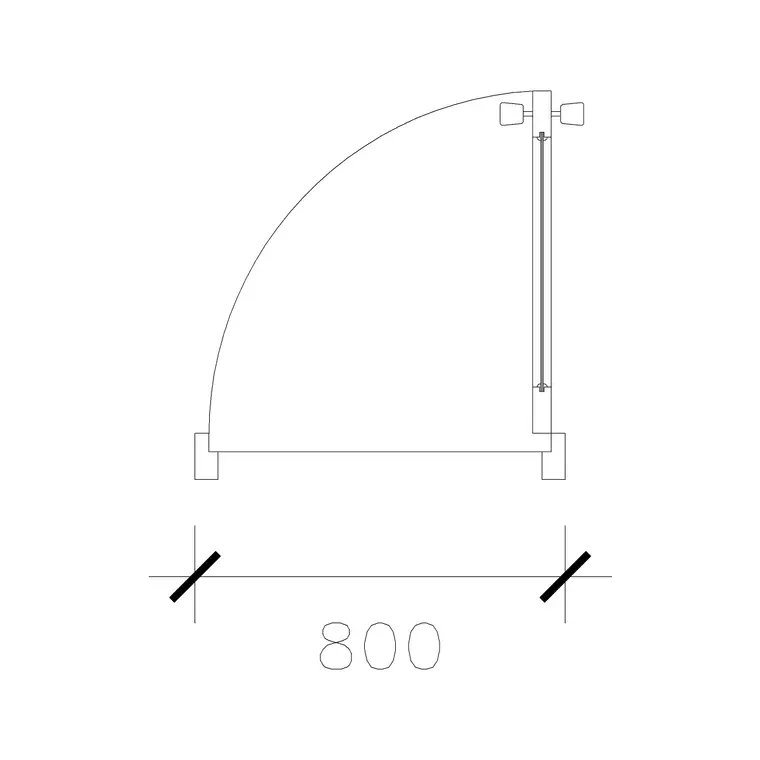
A door block is more than a leaf — its real value is the swing arc, because that arc is what you check against walls, furniture, fixtures and other door swings. These blocks are drawn full size with the leaf, the swing and the frame on sensible layers, so the moment one lands in a wall opening you can see what the door fouls and fix it before it becomes a site problem.
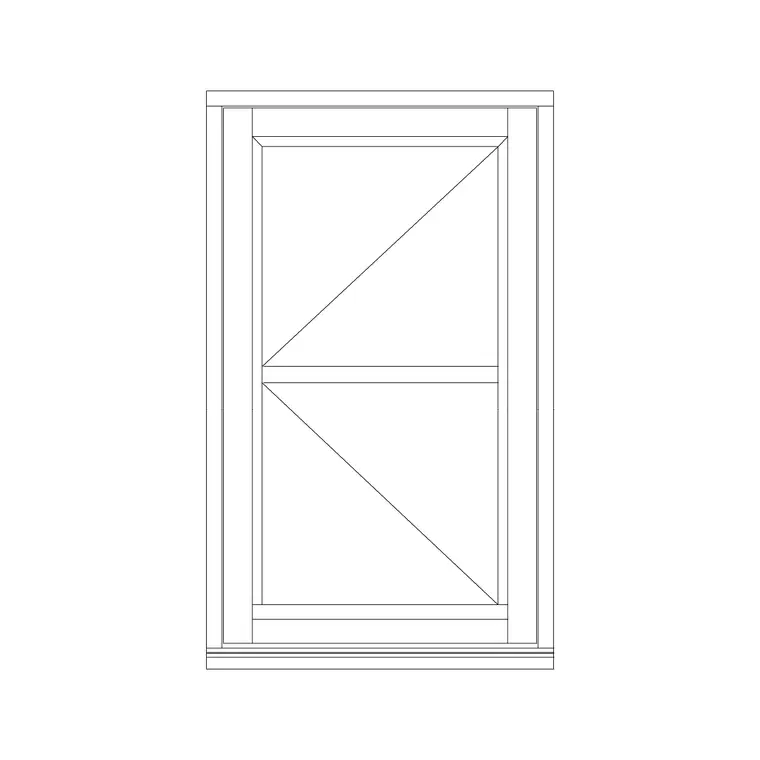
Use the pack across residential, commercial and industrial plans — internal room doors, entrance doors, cupboard and wardrobe doors, garage doors and accessible openings. The plan blocks are the working view (doors are laid out and checked in plan), and the elevation blocks drive the door schedule, the ironmongery and the joinery drawings.
What's in the 15-door collection
The pack covers the opening types you actually draw, with the swing or slide behaviour built into each. Single swing doors come left-hand and right-hand, opening in and out, because the hand and direction are exactly what you set per opening. Double doors (equal and leaf-and-a-half) cover wider openings. Sliding doors and pocket doors are drawn for where a swing won't fit, bifold and concertina doors for wardrobes and wide openings that fold back, and a double-action door for kitchens and service routes that swing both ways. External entrance doors and a sectional garage door round out the set.
Every block is drawn full size in plan with the leaf, the swing arc (or slide track) and the frame on separate layers, plus elevation views on the door types where the leaf face and ironmongery matter for the schedule. That lets you freeze the swing for a clean presentation plan, recolour the frame, or extract a door schedule without disturbing the architecture.
Standard door dimensions to design around
Keep these figures close. Internal single doors run roughly 700–900 mm wide (762 mm and 838 mm are common), at around 1981–2040 mm tall, in a frame that adds the lining thickness each side. A clear opening width of about 800 mm is the practical minimum for an accessible door, so reach for the wider leaves there. Double doors typically span 1200–1800 mm across the pair. External entrance doors are usually wider and heavier; a single garage door is around 2100–2400 mm wide and a double around 4200–5000 mm.
The number that drives the layout, though, is the swing: a swung door sweeps a quarter-circle whose radius equals the leaf width, so an 800 mm door needs roughly 800 mm of clear floor for its arc. Drawing from the scaled block, that arc is already there to check against furniture, fixtures and the next door along.
Plan blocks and the all-important swing arc
For the floor plan you work entirely in plan, and the door's job on that plan is to show its swing. Drop the door block into the wall opening, set the hand (which side the hinges are on) and the direction (in or out), and the arc appears. Then check that arc: does it clear the furniture, the WC, the kitchen run, the next door, the light switch behind it? Most early layout clashes are door-swing clashes, and the swing-aware blocks exist to surface them before site does.
Where a swing won't fit — a tight ensuite, a wardrobe, a route where a swinging leaf would block a corridor — switch to a sliding, pocket or bifold block, which trades the arc for a track or a fold. Keep all doors on a dedicated door layer so you can freeze the swings for a clean presentation plan and thaw them for the coordination check, from the same drawing.
Inserting doors into a wall opening
A door block sits in a gap in the wall, so cut or trim the wall to the structural opening width first, then drop the door block in at that opening. Pick a consistent base point — the hinge side of the frame is a natural handle — so doors insert predictably every time. Mirror the block to flip the hand, and rotate it to swing in or out as the room dictates.
With the door placed, dimension the opening off the nearest wall or corner so it can be set out on site, and tag the door with an attribute (a door reference) if you want to extract a door schedule straight from the drawing — type, size, fire rating, ironmongery. That schedule is one of the standard deliverables a door block pays for. Keeping the leaf, swing and frame on separate layers means the architectural plan, the presentation plan and the schedule all come from the same blocks.
Per-item notes: single, double, sliding, bifold and external
The single swing blocks are the workhorse — set the hand and direction per opening, and check the arc. Get into the habit of flipping the hand so the open door covers the part of the room you least want exposed (typically swinging against a wall, not into the path of travel). The double-door blocks cover wide openings between rooms; the leaf-and-a-half version gives an everyday single leaf plus a second that opens for moving furniture.
The sliding and pocket blocks are the space-savers — a sliding door runs on a face-fixed track (allow wall space beside the opening for the leaf to park), while a pocket door disappears into the wall (which needs a special stud cavity, so flag it). The bifold and concertina blocks fold back for wardrobes and wide openings; allow the fold-back depth. The external entrance and garage blocks are heavier openings — show the threshold and, for the garage, the up-and-over or sectional travel on the section rather than a floor swing.
Who uses these door blocks
Architects and architectural technicians use the door set on every floor plan to place openings, set hands and directions, and run the swing checks that keep furniture and fixtures clear. Interior designers use them to coordinate door swings with the furniture layout. Building-services and fire engineers care about the leaf widths and the swing direction on escape routes. Students use them on studio plans where swing-aware doors keep the circulation honest.
Pair the door pack with the window blocks to complete the openings on a plan, and tag the doors as attributed blocks to extract a door schedule alongside the drawing — the same workflow that drives professional drawing sets.
Free download
Browse the full library — DWG & DXF, no signup.
Questions
Frequently asked
What widths do the door blocks cover?+
Internal single doors run roughly 700–900 mm wide (762 mm and 838 mm are common), double doors 1200–1800 mm across the pair, and garage doors from around 2100 mm single to 4200–5000 mm double. Reach for an 800 mm clear opening on accessible doors.
Do the door blocks include the swing arc?+
Yes. The plan blocks carry the swing arc on its own layer, with the leaf and frame separate, so you can check the arc against furniture, fixtures and other doors, then freeze the swings for a clean presentation plan.
How do I set a left-hand or right-hand door?+
Insert the door block and mirror it to flip the hinge side, then rotate it to swing in or out as the room needs. Set the hand so the open leaf covers the part of the room you least want exposed and stays clear of the path of travel.
Are the door CAD blocks free for commercial use?+
Yes. Every door downloads free in DWG and, where available, DXF, with no signup, no watermark and no attribution requirement, and they are cleared for commercial project use.
Related downloads
Blocks for this guide
Popular blocks to download
Related categories
Related guides
Curated pack
10 Free Window CAD Blocks — Plan & Elevation DWG in 2026
Download 10 free window CAD blocks in DWG and DXF — casement, sliding, double-hung, bay and fixed windows in plan and elevation. No signup, commercial use OK.
Explainer
DWG vs DXF: Complete Guide to CAD File Formats in 2026
DWG vs DXF explained — what each CAD format is, how they differ, which to use, file size and compatibility, and how to convert between them in AutoCAD.
Explainer
Plan vs Elevation vs Section Explained
Plan vs elevation vs section explained simply — what each architectural view shows, how they differ, when to use each, and how they read together in a drawing set.