Curated pack · free window cad blocks
10 free window CAD blocks for AutoCAD in 2026
By Saumyajit Maity · Published 9 Jun 2024 · Updated 24 Mar 2026
A window block does quiet, important work on a drawing: in plan it shows where the wall opens and which way the sash swings, and in elevation it gives the proportions that make a façade read correctly. This collection gathers 10 free window CAD blocks in DWG and DXF, covering the openings you draw most: side-hung and top-hung casements, sliding (horizontal) windows, double-hung (vertical sliding) sash windows, fixed picture windows, awning and hopper vents, a bay window, and a louvre window for ventilation. Everything downloads free for personal and commercial work, with no signup and no watermark.
Windows sit in the wall like doors, so the block has to resolve the opening cleanly — the cill, the frame, the glazing line and, for openable sashes, the swing. These blocks are drawn full size with those elements on sensible layers, so a window drops into a wall opening and reads correctly in both the plan and the elevation without redrawing.
Use the pack across residential and commercial plans and façades — punched window openings, curtain-wall infills, ventilation louvres and feature bays. The plan blocks resolve the opening and the swing; the elevation blocks set the proportions, the cill and head heights and the opening pattern for the façade and the window schedule.
What's in the 10-window collection
The pack covers the window types you specify across most projects, with the opening behaviour built into each. Casement windows come side-hung and top-hung, drawn with the sash swing in plan. Sliding windows show the horizontal track and overlap; double-hung sash windows show the vertical sliding sashes for traditional and heritage façades. A fixed picture window covers the non-opening glazed panel, awning and hopper blocks cover the small top- and bottom-hung vents, a bay window projects from the wall for a feature opening, and a louvre window handles dedicated ventilation.
Every block is drawn full size in plan with the frame, the cill line, the glazing and the sash swing on separate layers, plus matching elevation views that carry the proportions and the opening pattern. That lets you resolve the opening in plan, set the head and cill heights in elevation, and pull a window schedule from attributed blocks — all from one consistent set.
Standard window dimensions to design around
Windows vary far more than doors because they are sized to the room, the daylight and the façade, but some reference figures help. Frame depth in the wall typically runs 60–120 mm depending on the system (timber, uPVC or aluminium). The cill normally sits around 800–1000 mm above the finished floor for a habitable room — high enough to put furniture beneath, low enough to see out — while the head aligns with the door head or the structural opening. Standard residential windows span anywhere from a narrow 600 mm vent to a 1200–2400 mm picture window; bays project 300–600 mm from the wall face.
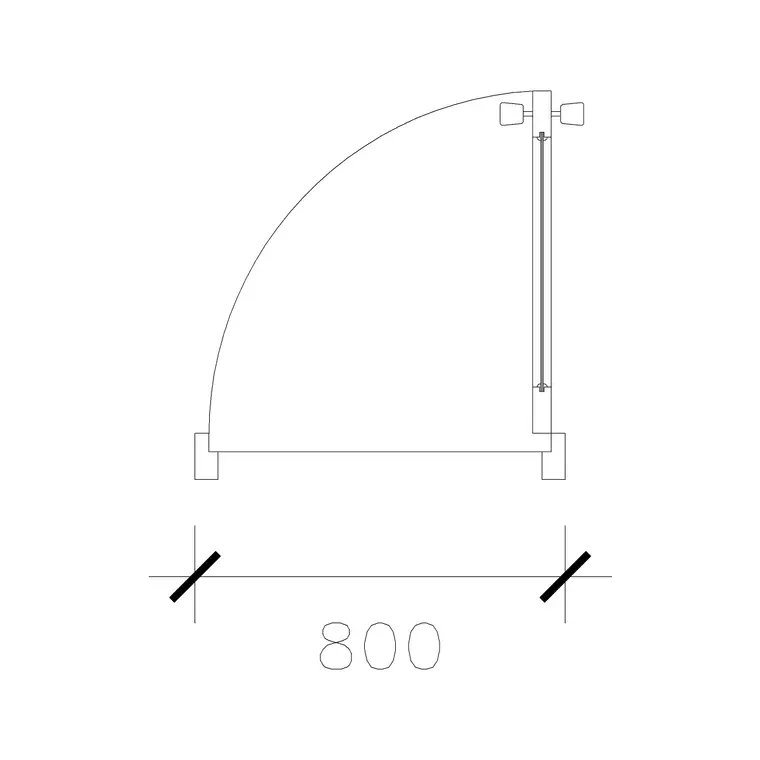
For openable casements, the sash sweeps an arc like a door, so allow clear space outside (or inside, for inward-opening) for the swing. The scaled blocks carry that swing and the cill line, so you can check the projection and the head/cill heights the moment the window lands.
Plan resolves the opening, elevation sets the proportion
In plan, a window's job is to resolve the wall opening — the frame in the reveal, the glazing line, the cill, and the sash swing for openable types. Drop the window block into the wall opening and it reads as a clean break in the wall with the sash arc shown, which you check against external balconies, walkways and anything the sash might foul when it opens.
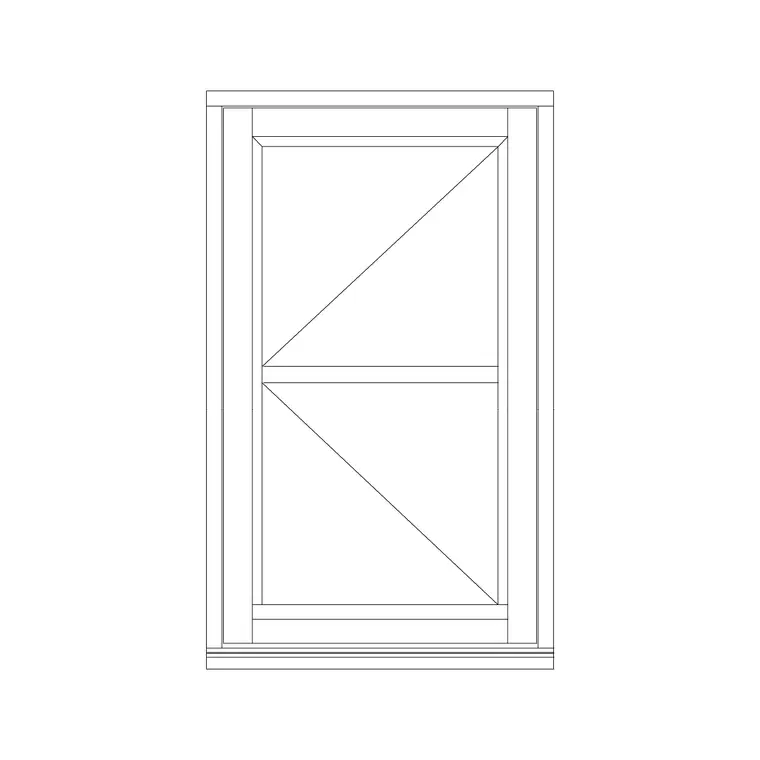
In elevation, the window's job is proportion: the head and cill heights, the frame divisions, the opening lights versus the fixed lights. This is the view that makes a façade read correctly, and where casement, sliding and sash visibly differ — a sash window's horizontal meeting rail, a casement's hinged light, a louvre's blades. Many blocks in the pack ship both views, so one download resolves the plan opening and sets the elevation proportion together.
Inserting a window into a wall opening
Like a door, a window sits in a gap in the wall, so trim the wall to the structural opening first, then drop the window block into that opening. Pick a consistent base point — a jamb or the centre of the opening — so windows insert predictably and align across a façade. Mirror or rotate to set the hand and the opening direction for casements.
Dimension the opening off the nearest wall or corner in plan, and set the cill and head heights in elevation, so the opening can be set out on site. Tag each window with an attribute (a window reference, size, glazing type) if you want to extract a window schedule directly from the drawing — exactly the deliverable a window block earns. Keeping the frame, glazing, cill and swing on separate layers means the plan, the elevation and the schedule all come from the same blocks.
Per-item notes: casement, sliding, sash, bay and louvre
The casement blocks are the everyday choice — side-hung for a swung opening light, top-hung for a vent that sheds rain — and the swing in plan is what you check for clearance outside. The sliding blocks suit where there's no room for a swing (against a walkway, a balcony) since the sash runs on a track; show the overlap so the meeting stiles read. The double-hung sash blocks are the heritage and traditional-façade option, with vertically sliding sashes and a horizontal meeting rail that defines the elevation.
The fixed picture block is the pure-daylight panel — no opening, no swing, so pair it with a separate vent if the room needs ventilation. The awning and hopper blocks are the small top- and bottom-hung vents, often used high in a wall or above a fixed light. The bay block projects from the wall for a feature opening — draw the projection in plan and the angled cheeks in elevation. The louvre block is the ventilation specialist — angled blades, no clear glazing — for plant rooms, bathrooms and service areas.
Who uses these window blocks
Architects and architectural technicians use the window set on every plan and elevation to resolve openings, set the cill and head heights, and compose a façade that reads correctly. Interior designers use the plan blocks to coordinate furniture beneath windows and the sash swing with the room. Building-services engineers care about the openable area for natural ventilation and the louvres for plant. Students use them on studio façades where correctly-proportioned windows keep an elevation believable.
Pair the window pack with the door blocks to complete the openings on a plan, and tag the windows as attributed blocks to extract a window schedule alongside the drawing — the same workflow that drives professional drawing sets.
Free download
Browse the full library — DWG & DXF, no signup.
Questions
Frequently asked
What window types are in the 10-block pack?+
Side-hung and top-hung casements, sliding windows, double-hung sash windows, a fixed picture window, awning and hopper vents, a bay window and a louvre window — drawn in both plan and elevation.
What height should a window cill be set at?+
For a habitable room the cill typically sits 800–1000 mm above the finished floor — high enough to place furniture beneath and low enough to see out — with the head aligned to the door head or the structural opening. The elevation blocks carry these heights.
Do the window blocks show the sash swing in plan?+
Yes. The openable casement, awning and hopper blocks carry the sash swing on its own layer in plan, so you can check the opening light clears balconies, walkways and anything outside the wall before it becomes a site issue.
Are the window CAD blocks free for commercial use?+
Yes. Every window downloads free in DWG and, where available, DXF, with no signup, no watermark and no attribution requirement, and they are cleared for commercial project use.
Related downloads
Blocks for this guide
Popular blocks to download
Related categories
Related guides
Curated pack
15 Free Door CAD Blocks — Plan & Elevation DWG in 2026
Download 15 free door CAD blocks in DWG and DXF — single, double, sliding, bifold and pocket doors with swing arcs, in plan and elevation. No signup.
Explainer
DWG vs DXF: Complete Guide to CAD File Formats in 2026
DWG vs DXF explained — what each CAD format is, how they differ, which to use, file size and compatibility, and how to convert between them in AutoCAD.
Explainer
Plan vs Elevation vs Section Explained
Plan vs elevation vs section explained simply — what each architectural view shows, how they differ, when to use each, and how they read together in a drawing set.